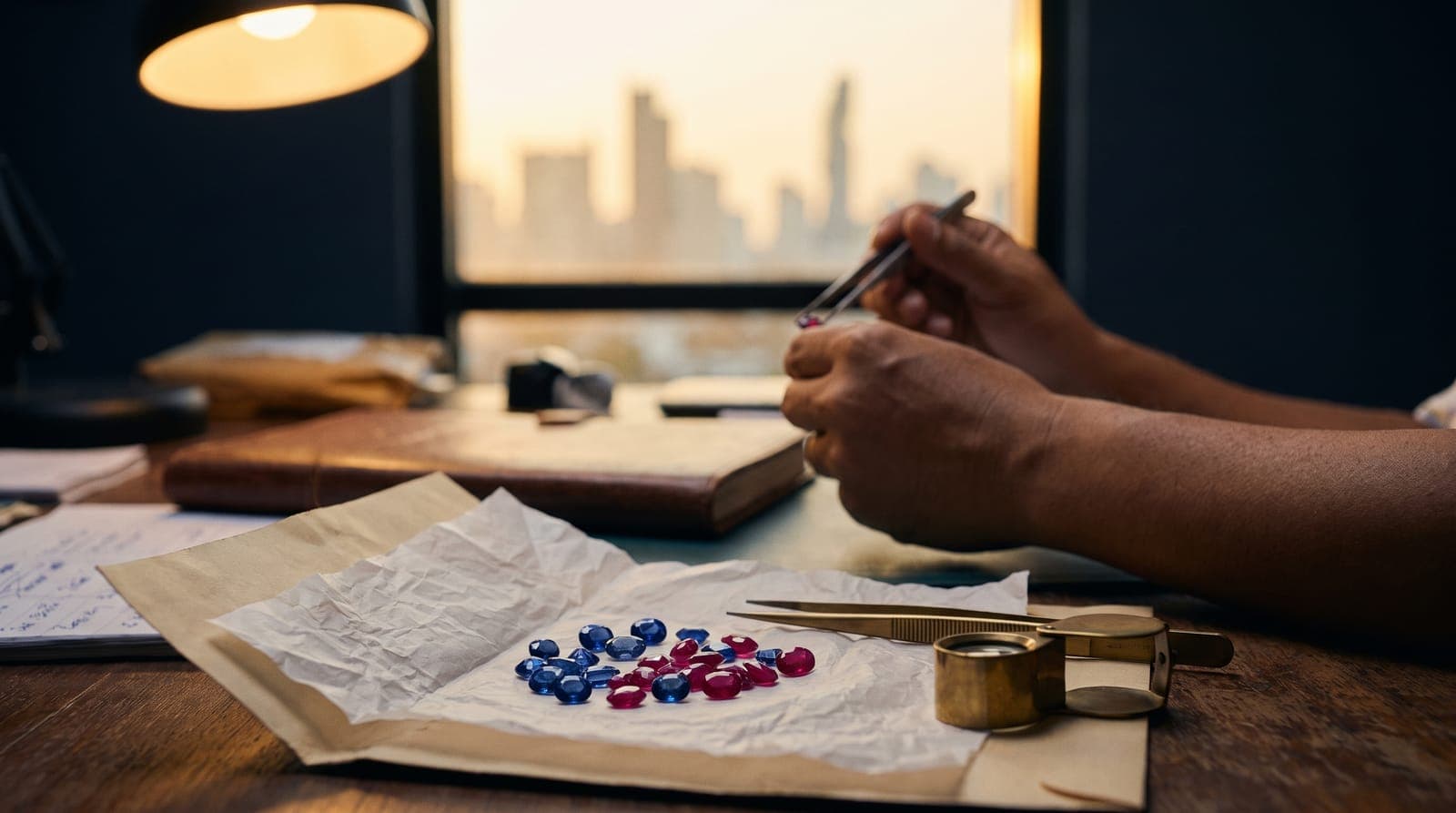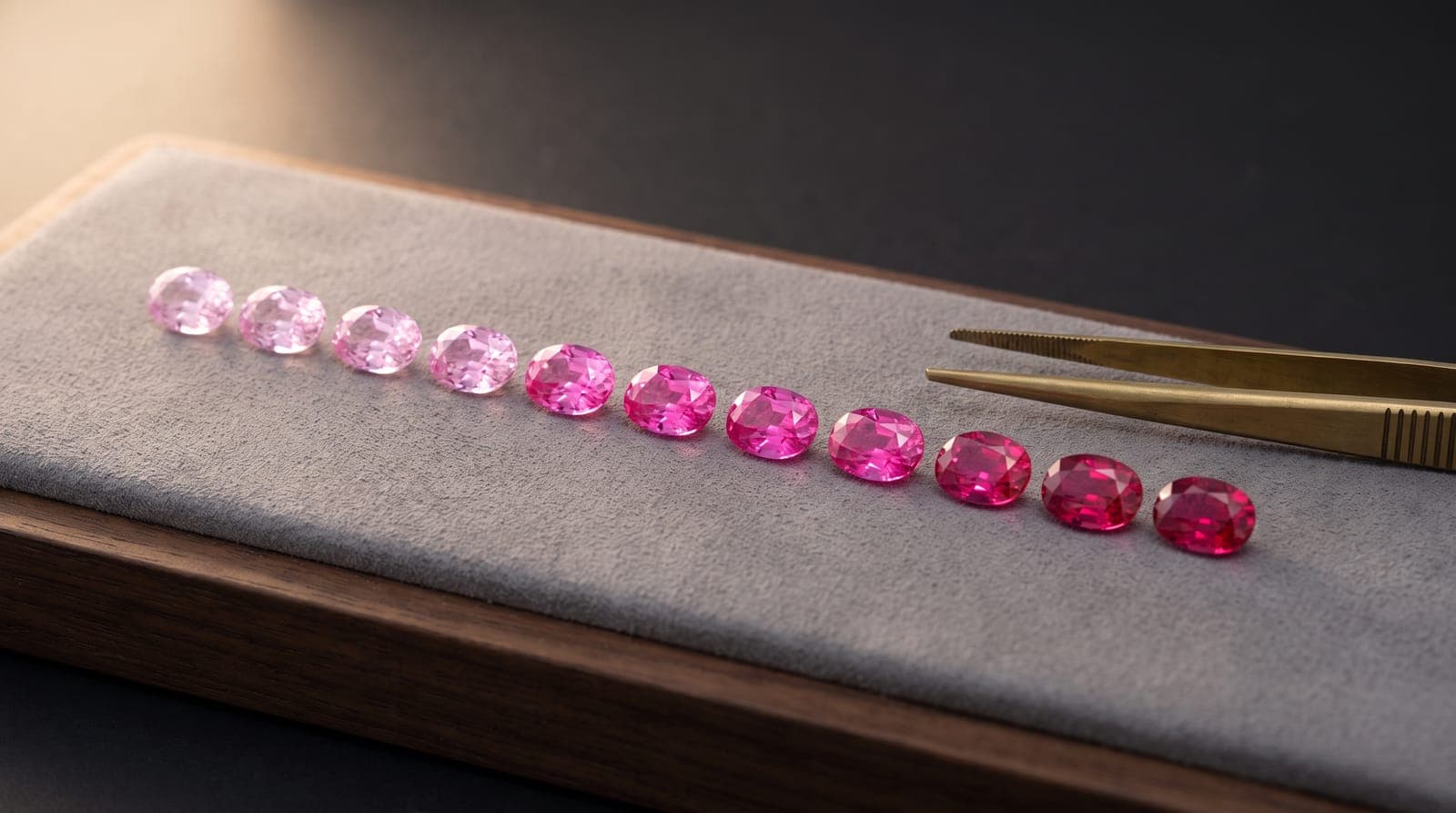
A Trading Hub Built Over Generations
Bangkok's position as the world's foremost colored gemstone center did not happen overnight. It is the result of more than a century of accumulated expertise, strategic geography, and an ecosystem that has evolved to serve every link in the gemstone value chain — from rough sorting to precision cutting to global distribution.
For B2B buyers considering where to source their gemstones, understanding why Bangkok dominates this trade helps explain the advantages you gain by working with suppliers based here. For practical logistics, see our complete guide to sourcing gemstones from Thailand, and for the market itself, our guide to buying gemstones in Bangkok.
Geographic Advantage: Proximity to the Mines
Thailand sits at the geographic center of the world's most productive colored gemstone region. Within a relatively short radius, you find:
- Myanmar (Burma): The world's most storied source of rubies and sapphires, particularly the legendary Mogok Valley. Despite political challenges, Burmese rough continues to flow into Bangkok through established trading channels.
- Sri Lanka (Ceylon): One of the oldest known gemstone sources, producing exceptional sapphires, spinels, and garnets. Colombo-to-Bangkok rough trading is a well-established pipeline.
- Cambodia: The Pailin and Battambang regions have produced significant sapphire material, much of which has been processed in Bangkok cutting facilities.
- Vietnam: The Luc Yen and Quy Chau regions produce rubies and sapphires that are routinely traded through Bangkok.
- Madagascar and East Africa: While geographically more distant, the trading infrastructure in Bangkok has made it the primary processing center for African rough as well. Major parcels from Mozambique, Tanzania, and Madagascar are shipped to Bangkok for cutting.
This proximity means shorter supply chains, lower transportation costs for rough material, and the ability for buyers to trace their stones back to known sources.
The Cutting Tradition
Thailand's gemstone cutting tradition stretches back generations. What began as a cottage industry has evolved into a sophisticated manufacturing sector, but the core knowledge — how to read rough material, maximize yield while optimizing beauty, and achieve precise calibrations — is still passed down from master cutters to apprentices.
Bangkok's cutting workforce possesses specific expertise that is difficult to replicate:
Corundum specialization: Because sapphires and rubies have been the dominant material processed in Bangkok for decades, Thai cutters have developed extraordinary skill with corundum. They understand how to orient cuts to maximize color saturation, how to work with the material's directional hardness (sapphire is harder on some crystal axes than others), and how to position inclusions to minimize their face-up visibility.
Calibration precision: The Bangkok cutting industry has invested heavily in precision calibration — producing stones that meet exact millimeter specifications with tolerances as tight as +/- 0.05mm. This is essential for jewelry manufacturers who need stones to fit standard settings without modification. Achieving this consistency at scale requires not just skilled hands but also purpose-built equipment, quality control processes, and trained sorting teams.
Volume capability with quality control: Bangkok factories can handle orders ranging from 50 pieces to 50,000 pieces while maintaining quality consistency across the lot. This scalability is possible because the industry has developed standardized grading, sorting, and quality control systems refined over decades of serving global manufacturers.
The Chanthaburi Connection
While Bangkok is the trade and business hub, significant cutting activity also occurs in Chanthaburi province, approximately 250 kilometers southeast of Bangkok near the Cambodian border. Chanthaburi has been a gemstone center since the region's own ruby and sapphire mines were active (now largely depleted), and many cutting workshops there continue to operate with specialized expertise.
The Bangkok-Chanthaburi axis gives Thailand a depth of cutting capacity that no single city elsewhere can match. Many Bangkok-based suppliers, including our own operation, coordinate with Chanthaburi facilities to manage peak demand periods and specialized cutting requirements.
Trading Infrastructure
Beyond cutting, Bangkok has developed the complete infrastructure that a global gem trade requires:
The Bangkok Gems and Jewelry Fair, held twice yearly, is one of the largest gemstone trade shows in the world, attracting buyers from every major jewelry manufacturing center. This event alone generates billions of baht in transactions and reinforces Bangkok's position as a must-visit destination for serious buyers.
Gemological laboratories: Bangkok hosts offices of major international labs including GIA, AIGS (which is headquartered here), and Lotus Gemology. Having these labs accessible locally means faster turnaround on certifications and the ability to verify stones without international shipping delays.
Banking and trade finance: Thai banks and financial institutions understand the gemstone trade and offer specialized services for gem dealers, including lines of credit, trade financing, and international payment processing tailored to the industry's needs.
Logistics: Bangkok's Suvarnabhumi Airport is a major international hub with direct flights to every significant jewelry manufacturing center — including Mumbai, Hong Kong, Shenzhen, New York, and Antwerp. Bonded shipping, customs clearance specialists, and gemstone-specific logistics providers are well established.
Advantages for B2B Buyers
When you source gemstones from Bangkok, you benefit from this entire ecosystem:
Competitive pricing: The combination of local cutting labor, proximity to rough sources, and competitive market dynamics keeps Bangkok's pricing sharp. Multiple suppliers competing in the same market ensures that margins remain reasonable and buyers have negotiating leverage.
Quality options at every price point: Whether you need AAA-grade sapphires for fine jewelry or commercial-grade calibrated stones for fashion lines, Bangkok suppliers can source and cut to your specifications. The market depth means you are not limited to a single quality tier.
Speed to market: With cutting facilities, grading labs, and logistics providers all within the same city, the time from order to delivery is typically shorter than sourcing through intermediaries in other markets. Standard calibrated orders can be ready in 2-3 weeks.
Transparency: The Bangkok trade has become increasingly transparent about treatments, origins, and grading standards — driven in part by the presence of international labs and the expectations of sophisticated global buyers. Reputable suppliers provide clear documentation with every order.
Visiting Bangkok for Gemstone Sourcing
If you are considering a sourcing trip to Bangkok, here are practical recommendations:
Timing: Plan your visit to coincide with the Bangkok Gems and Jewelry Fair (typically held in February/March and September) to maximize your exposure to suppliers and new material. However, individual factory visits can be arranged year-round.
What to bring: Come prepared with specific specifications — sizes, shapes, quality grades, quantities, and target price ranges. The more precise your requirements, the more efficiently suppliers can prepare material for your review.
Factory visits: Visiting a cutting facility gives you direct insight into a supplier's capabilities, quality control processes, and production capacity. At Lim Gems Factory, we regularly host B2B buyers who want to see our cutting operation firsthand before committing to orders.
Building relationships: The Bangkok gem trade, like much of Asia's business culture, values long-term relationships. Your first order may be modest, but establishing trust and consistency with a reliable supplier pays dividends over time through priority access to better material, flexible payment terms, and willingness to accommodate special requests.
The Future of Bangkok's Gem Trade
Bangkok's dominance in the colored gemstone trade shows no sign of diminishing. While new cutting centers have emerged in India, China, and Africa, Bangkok's combination of expertise depth, infrastructure maturity, and strategic location continues to attract rough material and buyers from around the world.
The industry here is also adapting to changing buyer expectations — more emphasis on traceability, sustainable sourcing practices, and digital communication. Many Bangkok suppliers now offer video consultations, digital imaging of lots, and online ordering systems alongside the traditional in-person buying experience.
For jewelry manufacturers seeking reliable, quality-conscious gemstone supply partners, Bangkok remains the first and often the only stop needed.
Contact our team to learn more about sourcing from our Bangkok facility, or explore our sapphire and ruby collections.