The Expanding Colored Gemstone Market
The B2B gemstone market has shifted significantly over the past decade. While our wholesale ruby collection and wholesale sapphire collection remain the cornerstone of the colored stone trade, jewelry manufacturers and retailers are increasingly seeking alternatives that offer distinctive colors, competitive pricing, and strong consumer appeal. For a practical guide to evaluating and selecting gemstones for a production line, see our choosing gemstones for a jewelry line guide.
Three gemstone families stand out in this expansion: emeralds, tourmalines, and spinels. Each occupies a unique position in the market, and each offers compelling opportunities for B2B buyers who understand their characteristics, sourcing considerations, and commercial applications.
Colored gemstone is defined as any gem-quality mineral specimen valued primarily for its body color rather than its optical phenomena, encompassing all non-diamond gem species including beryl (emerald), tourmaline, spinel, and corundum (ruby and sapphire).
This guide examines all three from a wholesale sourcing perspective — what drives value, where to find consistent supply, and how to evaluate quality for production-scale purchases.
Emeralds: The Evergreen Classic
Market Position
Emerald is the green variety of the mineral beryl (Be3Al2(SiO3)6), colored by trace amounts of chromium and sometimes vanadium. It has been one of the "big three" colored gemstones alongside ruby and sapphire for centuries, and it continues to command strong wholesale demand across all market segments.
The global emerald market is dominated by three source countries: Colombia, Zambia, and Brazil. Each produces material with distinct characteristics that experienced buyers learn to identify, and each has its own supply chain dynamics that affect pricing and availability.
Quality Factors for Wholesale Buyers
Color is the primary value driver in emeralds. The ideal trade color is a vivid, slightly bluish green with medium to medium-dark tone and strong saturation. Colombian emeralds are traditionally prized for their warmer, slightly yellowish-green hue, while Zambian material tends toward cooler, bluish-green tones. Both are commercially desirable — the "best" color depends on your target market's preference.
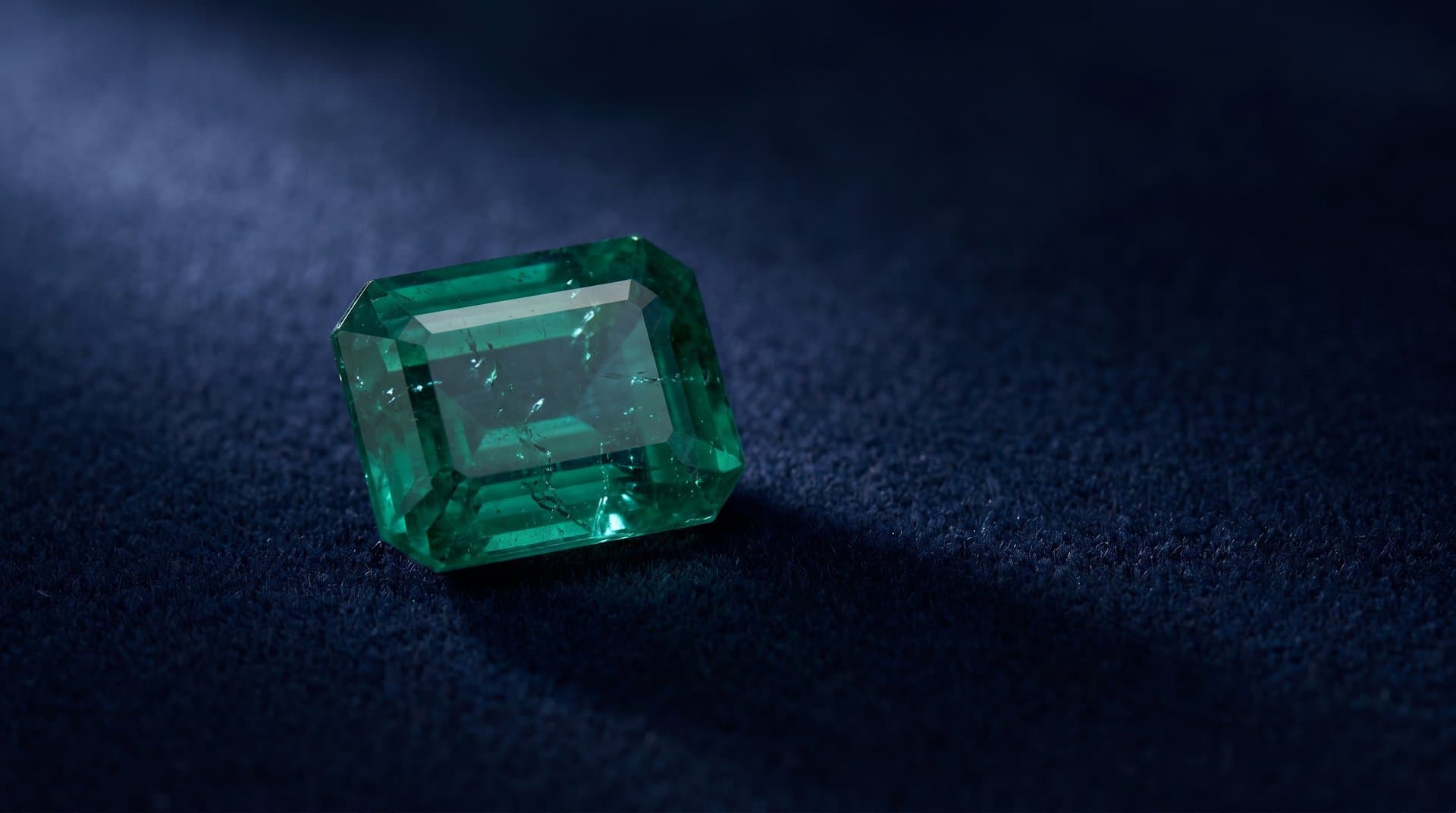
Clarity in emeralds requires a fundamentally different mindset than evaluating stones from our wholesale sapphire collection or spinels. Emeralds are classified as Type III gemstones, meaning inclusions are expected and almost always present. The French term "jardin" (garden) describes the characteristic internal landscape of emerald inclusions. Eye-clean emeralds of fine color are exceptionally rare and command extraordinary premiums.
Treatment is a critical consideration. The vast majority of emeralds — estimated at 95% or more — are treated with oils or resins to fill surface-reaching fractures and improve apparent clarity. This is an accepted and standard practice, but the degree and type of treatment directly affects value:
- Minor oil/resin: Standard for fine-quality emeralds. Minimal impact on value.
- Moderate treatment: Acceptable for commercial grades. Priced accordingly.
- Significant treatment: Heavily filled stones. Budget pricing. May experience stability issues over time.
Cedar oil was the traditional filling agent, but modern practice increasingly uses synthetic resins (Opticon, Permasafe, ExCel) that offer greater stability. Always confirm the treatment type and degree with your supplier, and request laboratory documentation for stones above 1 carat.
Sourcing Considerations
Colombian emeralds command the highest prices per carat but are subject to supply fluctuations driven by mining conditions and political factors. Zambian emeralds — particularly from the Kagem mine — offer more consistent supply and competitive pricing for commercial and mid-range quality. Brazilian material rounds out the market with commercial-grade stones suitable for fashion jewelry and volume production.
For jewelry manufacturers seeking calibrated emeralds, standard sizes from 3mm to 8mm in oval and emerald-cut (octagonal) shapes are most readily available. Round calibrated emeralds are more difficult to source due to rough crystal morphology.
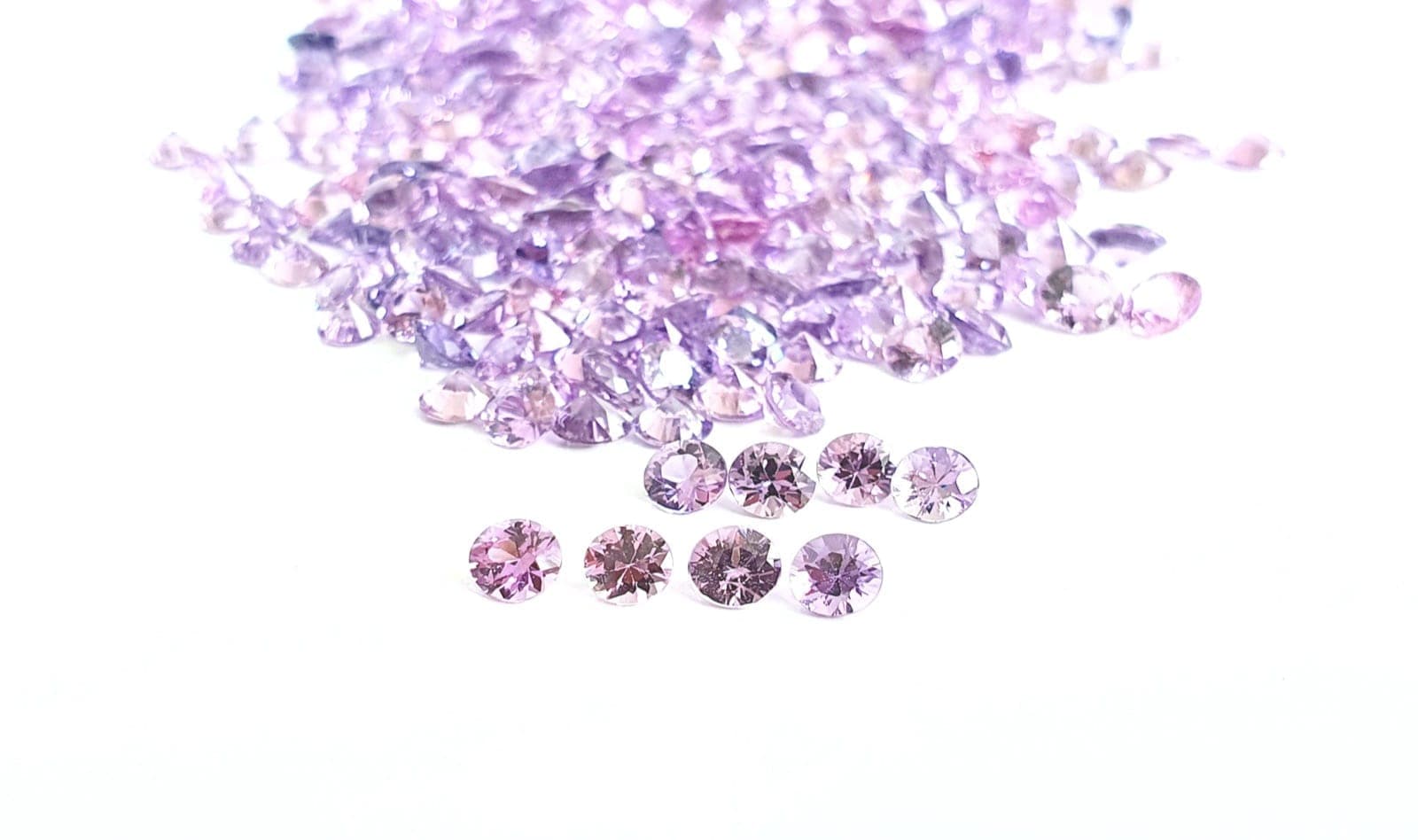
Tourmalines: The Color Spectrum
Market Position
Tourmaline is a boron silicate mineral group that produces the widest color range of any gemstone family. From electric neons to deep forest greens, from vivid pinks to rare copper-bearing blues, tourmaline offers jewelry manufacturers an extraordinary palette to work with. This color versatility, combined with generally strong durability (7-7.5 on the Mohs scale), makes tourmaline one of the most commercially flexible colored gemstones available.
The tourmaline market is segmented by color variety, and prices vary dramatically across the spectrum:
Key Commercial Varieties
Rubellite (pink to red tourmaline) is the most established tourmaline in the fine jewelry market. Quality rubellite competes directly with pink sapphire in both color appeal and price point. The best rubellites show a saturated, slightly purplish-red color without brownish overtones. Major sources include Brazil, Nigeria, and Mozambique.
Chrome tourmaline (vivid green, colored by chromium and/or vanadium) offers an intense green that rivals fine emerald at a fraction of the cost. East African sources — particularly Tanzania and Kenya — produce the finest material. Chrome tourmaline is an excellent value proposition for manufacturers seeking vivid green stones at accessible price points.
Paraiba tourmaline (copper-bearing, neon blue to green) is the most valuable tourmaline variety by far, with top-quality stones commanding $10,000-50,000+ per carat. Originally discovered in Brazil's Paraiba state in 1989, copper-bearing tourmalines have since been found in Nigeria and Mozambique. These African stones are often marketed as "Paraiba-type" tourmaline and are significantly more accessible in both supply and price than Brazilian Paraiba.
Indicolite (blue tourmaline, non-copper-bearing) provides an affordable alternative to blue sapphire for commercial jewelry applications. While indicolite rarely matches the saturation of fine sapphire, quality material offers appealing teal and blue-green tones at a fraction of sapphire pricing.
Bi-color and watermelon tourmaline have gained strong market traction in designer and artisan jewelry segments. These stones display two or more distinct color zones within a single crystal and are increasingly sought by manufacturers targeting the contemporary and fashion jewelry markets.
| Variety | Color Range | Price Range (per ct) | Major Sources | B2B Demand |
|---|---|---|---|---|
| Rubellite | Pink to red | $50–500 | Brazil, Nigeria, Mozambique | Strong |
| Chrome | Vivid green | $100–800 | Tanzania, Kenya | Growing |
| Paraiba/Paraiba-type | Neon blue-green | $500–50,000+ | Brazil, Mozambique, Nigeria | Very strong |
| Indicolite | Blue to teal | $30–300 | Brazil, Afghanistan | Moderate |
| Bi-color/Watermelon | Multi-zone | $20–200 | Brazil, Nigeria | Growing |
Sourcing Considerations
Tourmaline supply is geographically diverse, which is an advantage for B2B buyers — if one source experiences disruption, alternatives typically exist. Brazil remains the largest overall producer, but African sources (Nigeria, Mozambique, Tanzania) have become increasingly important for commercial supply.
For calibrated tourmaline, round and oval shapes from 3mm to 7mm are standard offerings. Larger calibrated sizes (8mm+) are available but may require longer lead times. Tourmaline rough tends to be elongated, which means oval and pear shapes often yield better color and size from the raw material than rounds.
One important note for buyers: tourmaline is strongly pleochroic, meaning it shows different colors when viewed from different crystal directions. Skilled cutting is essential to orient the rough so that the most desirable color faces up in the finished stone. This is why choosing a supplier with experienced cutting capabilities matters — poorly oriented tourmaline can appear muddy or overly dark regardless of the raw material's quality.
Spinels: The Undervalued Powerhouse
Market Position
Spinel (MgAl2O4) is experiencing what many in the trade consider a long-overdue market correction. Historically confused with ruby — the famous "Black Prince's Ruby" in the British Crown Jewels is actually a red spinel — this gemstone has spent centuries in corundum's shadow. That is changing rapidly.
Spinel offers a combination of properties that make it exceptionally attractive for B2B buyers:
- Hardness of 8 on the Mohs scale, making it suitable for all jewelry applications including daily-wear rings
- Single refraction that produces exceptional brilliance and clean optical performance
- No routine treatment — the vast majority of commercial spinel is unheated and untreated, which is increasingly valued by end consumers
- A diverse natural color palette including red, pink, blue, violet, lavender, and grey
Quality Factors for Wholesale Buyers
Color drives spinel value, with vivid reds and hot pinks ("Jedi" spinels from Myanmar) commanding the highest prices. Cobalt-blue spinels from Vietnam and Tanzania have surged in value, with top stones rivaling fine blue sapphire prices. Lavender and grey spinels offer excellent value in the fashion and contemporary jewelry segments.
Clarity in spinel is typically excellent. Unlike emeralds, clean spinels are the norm rather than the exception. Eye-clean material is standard in commercial grades, and many stones are loupe-clean. Spinels with fingerprint inclusions or silk are less common and trade at lower prices.
Cutting quality matters significantly in spinel because the stone's single-refractive nature means it responds dramatically to precision faceting. Well-cut spinels display remarkable brilliance and fire that can outperform stones from our wholesale ruby collection of comparable color. Conversely, poorly proportioned spinels appear lifeless. Always evaluate spinel face-up for light performance.
The "Unheated" Advantage
In a market increasingly concerned with treatment disclosure, spinel holds a unique advantage: the overwhelming majority of gem-quality spinel reaches the market without any treatment whatsoever. This is a powerful selling point at the retail level, where consumers are increasingly educated about gemstone treatments and prefer natural, untreated stones.
For B2B buyers, this simplifies sourcing significantly. You rarely need to question treatment status or budget for laboratory treatment verification — a notable contrast to the ruby and sapphire markets where treatment assessment is standard practice for every transaction.
Key Sources
- Myanmar (Mogok): The traditional source of the finest red and pink spinels. "Jedi" spinels — vivid hot pink with fluorescence — originate here and have become a distinct market category.
- Vietnam (Luc Yen): Produces exceptional cobalt-blue spinels alongside fine pinks and reds. Vietnamese cobalt spinel has seen dramatic price appreciation.
- Tanzania (Mahenge): A critical source for vivid pink to red spinels. Mahenge material is known for its neon-like saturation and has driven much of spinel's recent market growth.
- Sri Lanka: Produces a wide range of spinel colors, with particular strength in blue, violet, and grey tones. Good for calibrated commercial material.
- Tajikistan (Kuh-i-Lal): Historic source of fine red spinels, though production is limited and sporadic.
| Color | Top Sources | Price Trend | Market Segment |
|---|---|---|---|
| Vivid red | Myanmar, Tanzania | Strongly rising | Fine jewelry |
| Hot pink (Jedi) | Myanmar | Rapidly rising | Designer, fine jewelry |
| Cobalt blue | Vietnam, Tanzania | Sharply rising | Fine jewelry, collectors |
| Lavender/violet | Sri Lanka, Myanmar | Stable to rising | Fashion, contemporary |
| Grey | Sri Lanka, Myanmar | Stable | Contemporary, minimalist |
Comparing All Three: Which Gem Fits Your Product Line?
For B2B buyers evaluating which of these three gemstone families to add or expand in their product lines, the decision comes down to your target market, price positioning, and production requirements.
Choose emeralds if your customers expect a classic, heritage-associated gemstone. Emerald carries instant name recognition with end consumers and works across all market tiers from commercial to fine jewelry. The trade-off is higher treatment complexity and stricter clarity expectations at the fine end.
Choose tourmalines if you need color variety and flexibility. No other gemstone offers the range of hues that tourmaline provides, and the pricing spectrum from commercial to collector-grade allows you to serve multiple market segments from a single gemstone family.
Choose spinels if you want to position your brand at the forefront of market trends. Spinel's combination of durability, brilliance, natural beauty (no treatment needed), and rising market recognition makes it arguably the strongest long-term value proposition in the colored gemstone market today.
Of course, these are not mutually exclusive choices. Many successful jewelry manufacturers source all three — emeralds for their classic green collections, tourmalines for their fashion and designer lines, and spinels for their trend-forward fine jewelry pieces.
Sourcing These Gems Through Bangkok
Bangkok's position as the world's colored gemstone trading hub makes it the logical sourcing point for all three families. Rough emerald, tourmaline, and spinel from mines across the world flow into Bangkok for cutting, treatment, and distribution. Our Thailand sourcing guide explains the full process for buyers new to working with Bangkok suppliers.
At Lim Gems Factory, we source and process emeralds, tourmalines, and spinels alongside our core sapphire and ruby offerings. Our cutting and sorting facilities handle calibrated production runs for all three gemstone types, and our Bangkok sourcing team maintains direct relationships with rough dealers in the key producing regions.
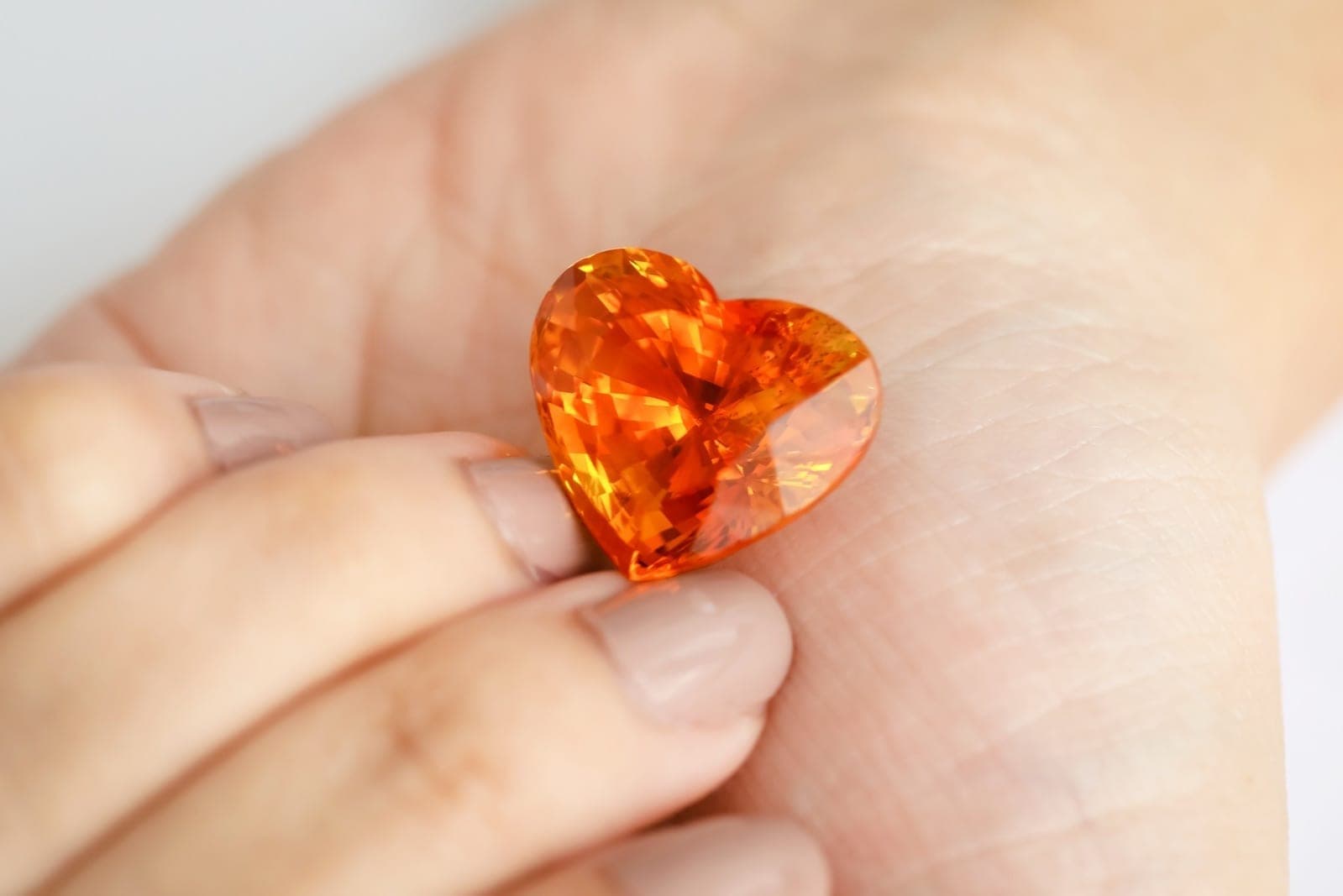
Whether you need 500 calibrated 4mm chrome tourmalines, a matched pair of Mahenge spinels, or a production lot of Zambian emeralds, we can help you source, cut, and certify the material to your specifications.
Key Takeaways
- The colored gemstone market is diversifying beyond rubies and sapphires — buyers who expand their offerings gain competitive advantage.
- Emeralds offer heritage appeal and universal name recognition, but require careful treatment assessment.
- Tourmalines provide unmatched color diversity, from affordable commercial material to ultra-premium Paraiba.
- Spinels are the market's rising star, offering excellent hardness, brilliance, and the powerful advantage of being naturally untreated.
- All three gemstone families are available through Bangkok's established trading infrastructure, in calibrated sizes suitable for production-scale jewelry manufacturing.