Understanding the Padparadscha vs Pink Sapphire Distinction
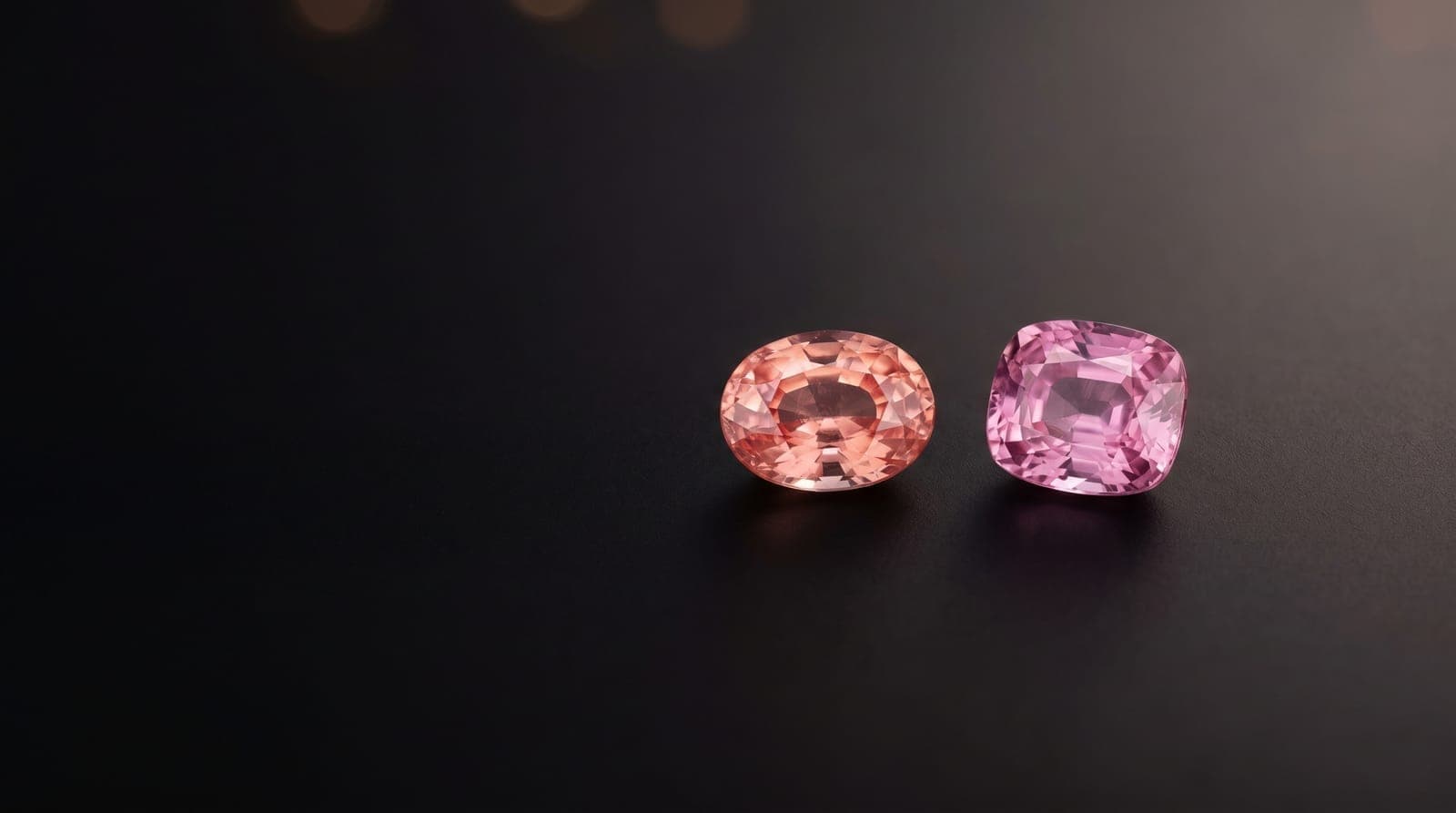
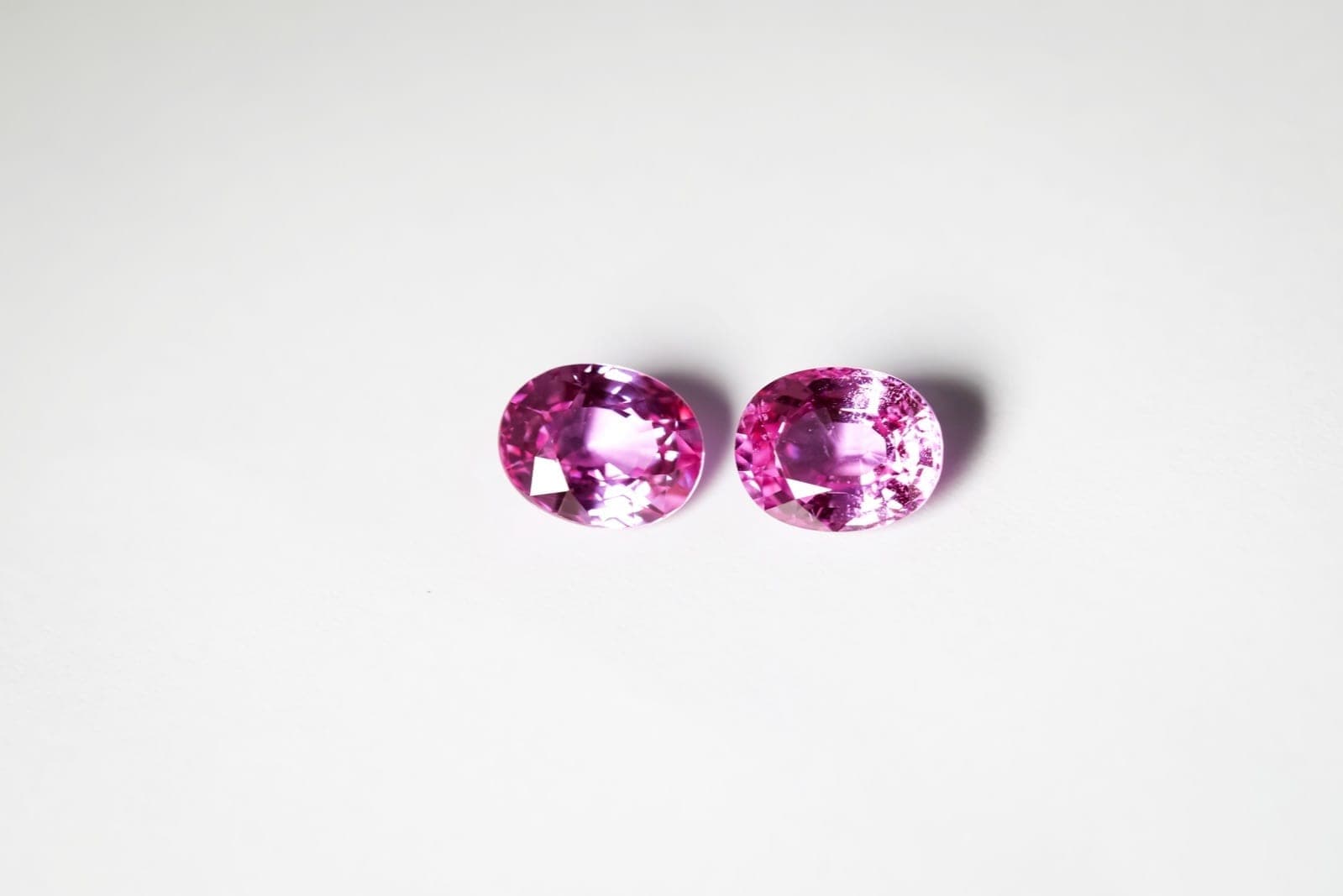
A padparadscha sapphire is defined as a variety of gem-quality corundum exhibiting a delicate, simultaneous blend of pink and orange hues — often described as salmon, sunset, or lotus blossom color. This definition distinguishes it from a pink sapphire, which is defined as gem-quality corundum displaying a predominantly pink hue with minimal to no orange component.
The distinction between these two categories is one of the most debated topics in the colored gemstone trade. It matters enormously because the word "padparadscha" on a laboratory report can multiply a stone's value by a factor of five or more. For B2B buyers and manufacturers working with fancy sapphires, understanding exactly where this line falls is essential to avoiding costly misclassifications.
At Lim Gems Factory, we have been cutting and trading both padparadscha and pink sapphires for over thirty-five years at our Bangkok facility. This guide shares what we have learned about the practical differences that matter in the wholesale market.
The Color Boundary: Where Pink Ends and Padparadscha Begins
The core distinction lies in the balance of pink and orange. A padparadscha must display both hues simultaneously, in a balanced ratio, without either color dominating. The moment a stone appears predominantly pink with just a warm undertone, it falls into the pink sapphire category. Similarly, if it appears predominantly orange with a pink flash, some laboratories may classify it as an orange sapphire.
The Pink-Orange Ratio
Most gemological laboratories define the acceptable padparadscha color window as follows:
| Color Component | Padparadscha Range | Pink Sapphire Range | Orange Sapphire Range |
|---|---|---|---|
| Pink-to-orange ratio | 30-70% pink, 30-70% orange | >70% pink, <30% orange | <30% pink, >70% orange |
| Tone | Light to medium (20-60%) | Light to dark (20-80%) | Light to medium-dark (20-70%) |
| Saturation | Moderate to moderately strong | Weak to vivid | Moderate to vivid |
| Secondary hues | None (no brown/gray) | Orange, violet acceptable | Pink, yellow acceptable |
Why Laboratories Disagree
One of the most frustrating realities in the padparadscha market is inconsistency between gemological laboratories. A stone certified as padparadscha by one lab may be classified as "pinkish-orange sapphire" or "orangish-pink sapphire" by another. This happens because the padparadscha color window is subjective and narrow — minor differences in lighting conditions, grading methodology, or individual color perception can push a borderline stone in or out of the classification.
For B2B buyers, this means:
- Always specify which laboratory's certification you require. GRS (Gem Research Swisslab), AIGS (Asian Institute of Gemological Sciences), and GIA each have slightly different color boundaries.
- GRS tends to be the most liberal with the padparadscha designation, while GIA is generally the most conservative.
- Borderline stones carry risk. A stone that barely qualifies as padparadscha at one lab may lose the designation if re-tested — a significant financial exposure on high-value stones.
For more on choosing between the major labs, our guide on GIA vs AIGS vs GIT certification explains the practical differences.
Color Science: What Creates Each Color
Understanding the trace element chemistry behind each color helps buyers evaluate stones more accurately and spot potential treatment concerns.
Pink Sapphire Color Mechanism
Pink sapphire color is produced primarily by chromium (Cr3+) substituting for aluminum in the corundum crystal lattice. The chromium concentration determines the depth of pink — trace amounts produce pale pink, while higher concentrations push toward hot pink and eventually into ruby territory. The boundary between pink sapphire and ruby is itself another debated classification line, generally drawn at the point where red becomes the dominant hue.
Pink sapphires contain little to no iron, which is why they typically show strong fluorescence under UV light — iron acts as a fluorescence quencher, and its absence allows chromium fluorescence to enhance the pink color in daylight.
Padparadscha Color Mechanism
Padparadscha color requires a more complex combination: chromium provides the pink component, while a combination of iron and chromium charge transfer creates the orange component. This dual-mechanism requirement is part of what makes natural padparadscha so rare — the rough must contain precisely balanced trace elements in narrow concentration ranges.
| Pink Sapphire Chromophore | Chromium (Cr3+) — produces pink through crystal field absorption |
| Padparadscha Chromophores | Chromium (Cr3+) for pink + iron-chromium charge transfer for orange |
| Iron Content (Pink) | Very low — enables strong UV fluorescence that enhances pink in daylight |
| Iron Content (Padparadscha) | Low to moderate — enough for orange component but not enough to suppress fluorescence entirely |
| Fluorescence (Pink) | Strong red under long-wave UV — highly diagnostic |
| Fluorescence (Padparadscha) | Moderate red-orange under long-wave UV |
Origin and Its Influence on Color Classification
Origin plays a significant role in both the color characteristics and market perception of padparadscha and pink sapphires.
Sri Lanka (Ceylon): The Padparadscha Homeland
The term "padparadscha" derives from the Sinhalese word for lotus blossom, and Sri Lanka is the type locality — the original and most prestigious source. Sri Lankan padparadscha typically exhibits a delicate, pastel salmon color with balanced pink-orange, often with a distinctive "glowing" quality attributed to strong fluorescence.
Sri Lankan pink sapphires are equally renowned, producing bright, vibrant pinks with excellent transparency. The island's geologic conditions produce material with relatively low iron content, which enhances both the fluorescence and overall brilliance of both color categories.
Madagascar: The Rising Contender
Madagascar has emerged as a significant source of both padparadscha and pink sapphires, particularly from the Ilakaka deposit. Malagasy padparadscha can be excellent, though the color profile tends slightly more orange than classic Sri Lankan material. Prices for Malagasy padparadscha are typically 20-40% below comparable Sri Lankan stones, though this gap has narrowed as quality recognition has grown.
Myanmar (Burma) and Tanzania
Myanmar produces limited padparadscha material but is an important source of vivid pink sapphires — some of the most intensely saturated pink sapphires in the trade come from Mogok. Tanzania (particularly Tunduru and Songea) produces both pink and padparadscha-colored material, generally in smaller sizes suited to calibrated goods.
| Origin | Padparadscha Character | Pink Sapphire Character | Market Premium |
|---|---|---|---|
| Sri Lanka | Classic salmon, strong fluorescence, pastel | Bright, vivid pink, excellent transparency | Highest — 'type locality' premium |
| Madagascar | Slightly more orange, good size potential | Good saturation, moderate fluorescence | Moderate — 20-40% below Ceylon |
| Myanmar | Very rare, limited supply | Intensely saturated, vivid hot pink | High for pink; padparadscha extremely rare |
| Tanzania | Orange-dominant borderline material | Medium saturation, good for calibrated | Lower — primarily commercial grade |
Pricing Differences: Padparadscha vs Pink Sapphire Wholesale
The pricing gap between padparadscha and pink sapphire is one of the largest within the sapphire family. Understanding these dynamics is critical for B2B buyers and manufacturers to price finished jewelry accurately.
Wholesale Price Ranges per Carat
Approximate wholesale ranges for fine unheated material. Heated stones typically trade at 30-50% discounts. Prices as of early 2026.
| Size Range | Fine Padparadscha (Unheated) | Fine Pink Sapphire (Unheated) | Multiplier |
|---|---|---|---|
| Under 1 carat | $2,000-$6,000/ct | $500-$1,500/ct | 3-5x |
| 1-2 carats | $5,000-$15,000/ct | $1,000-$3,500/ct | 4-5x |
| 2-5 carats | $10,000-$30,000/ct | $2,000-$5,000/ct | 5-7x |
| Above 5 carats | $20,000-$80,000+/ct | $3,000-$8,000/ct | 7-10x |
The exponential price increase for padparadscha in larger sizes reflects extreme rarity. Fine padparadscha above 5 carats is one of the rarest categories in the entire colored gemstone market, and prices reflect collector-level demand rather than standard wholesale economics.
Heated vs Unheated Premium
For both categories, unheated stones command a significant premium:
- Padparadscha: Unheated premium of 40-80% over comparable heated material
- Pink sapphire: Unheated premium of 25-50% over comparable heated material
The unheated premium for padparadscha is higher because heat treatment is more likely to shift borderline colors, making the "natural" designation more meaningful as a quality and rarity indicator.
Treatment Considerations for Buyers
Treatment disclosure is critical in both categories, but especially for padparadscha where treatment can fundamentally alter the color classification.
Standard Heat Treatment
Standard heat treatment (heating to 1200-1800°C without chemical additives) is widely accepted in the trade and is the most common enhancement for both pink sapphires and padparadscha. In padparadscha, heat treatment can shift the pink-orange balance, sometimes pushing a borderline pink-orange stone into the accepted padparadscha window, or conversely, shifting a marginal padparadscha into the pink sapphire category.
Beryllium Diffusion: The Critical Red Flag
Beryllium lattice diffusion treatment involves heating sapphires in the presence of beryllium, which penetrates the crystal lattice and can create padparadscha-like colors from near-colorless or pale material. This treatment is considered a more significant modification than standard heating and must be disclosed.
Beryllium-treated "padparadscha" sapphires sell at a fraction of natural or standard-heated prices — typically 80-95% less. For B2B buyers, this means rigorous supplier due diligence and laboratory verification for every padparadscha stone above commercial sizes.
For a comprehensive overview of treatment methods and how to verify them, see our guide on sapphire heat treatment explained.
Practical Sourcing Guide: Which Should You Stock?
For B2B buyers deciding how to allocate their sapphire budget between padparadscha and pink, the decision depends on your market positioning and customer base.
When to Focus on Pink Sapphire
Pink sapphire offers better margins for most commercial jewelry operations:
- Broader appeal: Pink is a universally popular color with strong demand across all markets
- Larger supply: More consistent availability means fewer supply disruptions
- Easier grading: Less subjective classification means lower risk of disputes
- Growing demand: The bridal market's embrace of pink sapphires as diamond alternatives has driven steady price appreciation
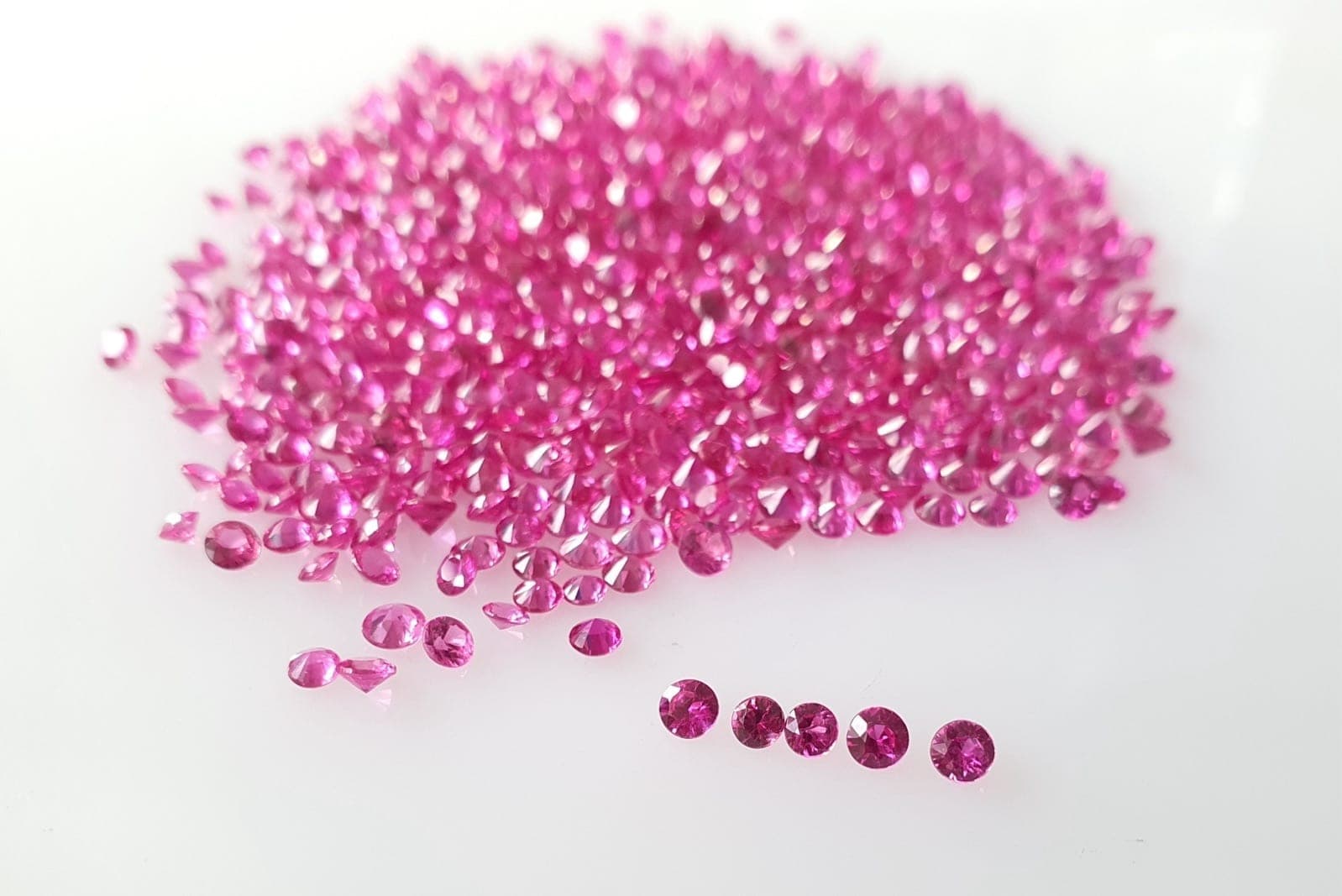
- Calibrated availability: Pink sapphires are readily available in calibrated sizes from 1.5mm through 6mm
When to Invest in Padparadscha
Padparadscha makes sense for buyers serving the high-end and collector markets:
- Ultra-high margins: The rarity premium allows for higher percentage markups
- Collector demand: Serious gem collectors actively seek fine padparadscha
- Portfolio differentiation: Offering certified padparadscha positions you as a specialist dealer
- Investment grade: Fine unheated padparadscha has shown consistent value appreciation over decades
A Balanced Approach
Most successful B2B operations stock a range of pink sapphires for volume business and maintain a curated selection of certified padparadscha for premium clients. At Lim Gems Factory, we recommend allocating roughly 80% of your fancy sapphire budget to pink sapphires and 20% to carefully selected, double-certified padparadscha.
How to Verify Classification Before Purchase
Before committing to a padparadscha purchase, B2B buyers should follow a systematic verification process:
- Request high-resolution images under standardized lighting. Both D65 daylight and incandescent images reveal how the stone's pink-orange balance shifts across lighting conditions.
- Confirm laboratory certification. Specify GRS, GIA, or AIGS depending on your market's preference.
- Verify treatment status. Ensure the certificate addresses both standard heat treatment and beryllium diffusion.
- Compare against references. If possible, view the stone alongside known padparadscha and pink sapphire reference stones.
- Evaluate under your customer's likely lighting. A stone that looks padparadscha under jewelry store lighting may shift more pink under daylight.
The padparadscha versus pink sapphire distinction is nuanced and carries significant financial implications. By understanding the color science, market dynamics, and verification procedures outlined here, B2B buyers can source confidently in both categories. If you would like to discuss specific stones or a sourcing plan, contact our team directly.
Explore our full sapphire collection to view current inventory across both categories, or learn how sapphires are graded in our sapphire buying guide and origin comparison between Ceylon and Thai sapphires.