How Blue Sapphires Are Graded: A Professional Framework
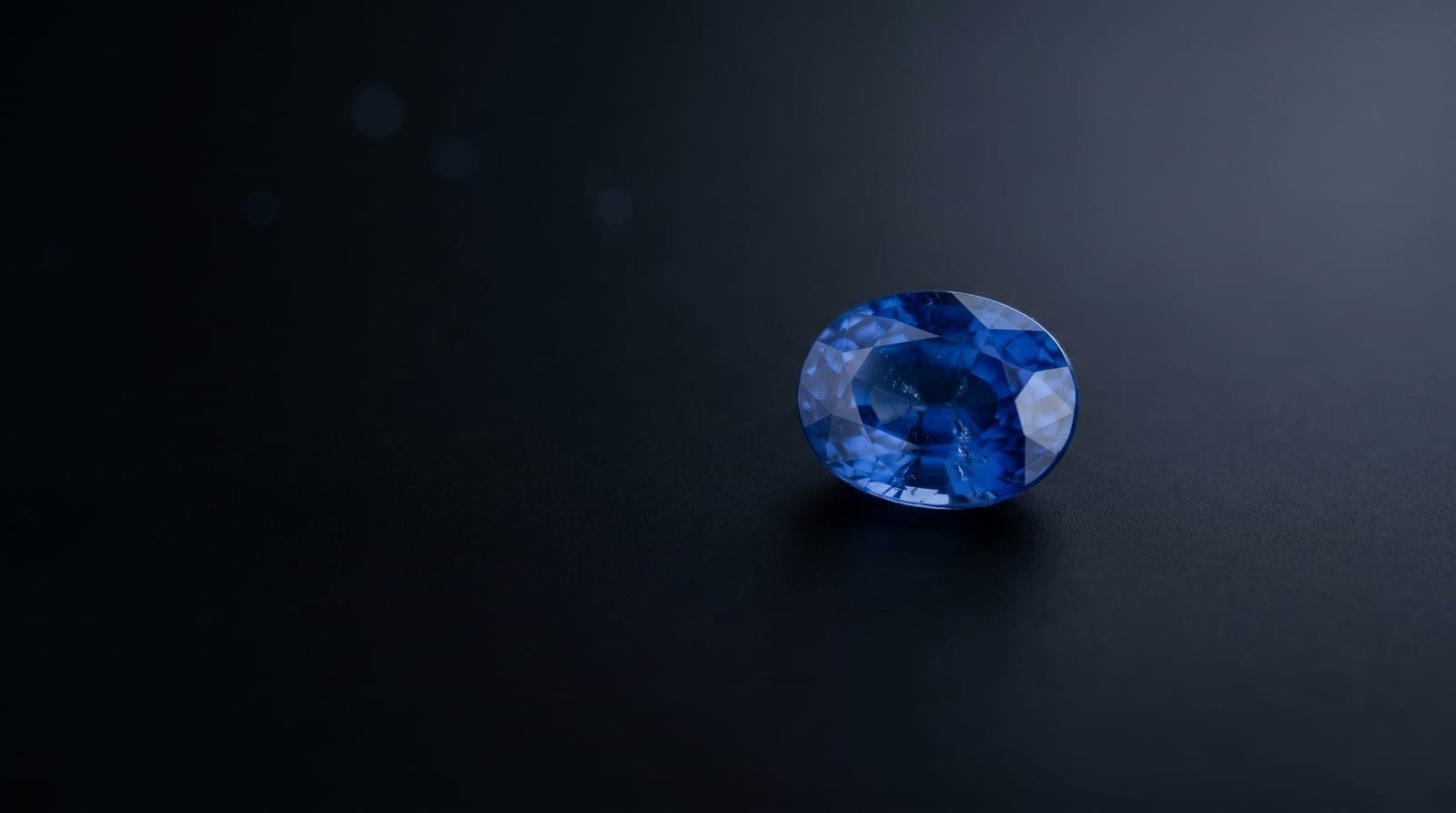
A blue sapphire is defined as a gem-quality variety of the mineral corundum (Al2O3) that derives its blue coloration from trace amounts of iron and titanium within its crystal lattice. Grading a blue sapphire requires systematic evaluation across three primary axes — color, clarity, and cut — each contributing to the stone's overall quality designation and wholesale market value.
After thirty-five years of cutting and sorting sapphires in our Bangkok facility, we have handled millions of stones from every major origin. This guide distills that experience into a practical grading framework that B2B buyers can apply when evaluating parcels and negotiating with suppliers.
For a broader overview of sapphire purchasing, see our complete sapphire buying guide. This article goes deeper into the technical grading criteria that separate a premium lot from a commercial one.
Blue Sapphire Color Grading: The Three Dimensions
Color accounts for approximately 50-70% of a blue sapphire's value. Professional gemologists evaluate color across three interconnected dimensions: hue, tone, and saturation. Understanding how these interact is essential for any buyer sourcing wholesale sapphires.
Hue: The Dominant Spectral Color
Blue sapphire hue is defined as the dominant wavelength of light the stone reflects back to the eye. Pure blue hues are the most valued, but in practice, most sapphires exhibit secondary hue modifiers.
Violet-blue secondary tones are generally acceptable and can enhance the stone's richness. In the trade, a slight violet modifier in a medium-toned sapphire is what produces the sought-after "cornflower blue" appearance. Green-blue secondary tones, however, significantly diminish value. Even a faint greenish cast visible under daylight-equivalent lighting can drop a stone from premium to commercial grading.
Tone: Light to Dark Spectrum
Tone describes where a sapphire falls on the spectrum from colorless to black. The GIA uses a scale from 0 (colorless) to 100 (opaque black), and the optimal range for blue sapphires falls between 65 and 80.
Stones below 60 on the tone scale appear washed out and "watery," particularly in calibrated sizes under 4mm where there is less material to generate color. Stones above 85 appear nearly black, losing the blue character entirely — a common issue with Australian and some Thai material.
The relationship between tone and size is critical for wholesale buyers. A stone that appears perfectly toned at 6mm may look too dark when cut to 3mm because the shorter light path through the stone concentrates the color. Experienced cutters adjust depth percentages accordingly, cutting smaller stones slightly shallower to optimize tone.
Saturation: Intensity and Purity
Saturation measures how vivid or muted the blue color appears. Saturation grades typically range from grayish (low) through moderate, strong, to vivid (highest). Strong to vivid saturation commands premium pricing across all origins.
Gray masking — the presence of a brownish-gray cast that dulls the blue — is the primary saturation concern in wholesale parcels. It is particularly common in heat-treated material where the treatment was insufficient or the starting rough was heavily included. A quick test: view the parcel against a white background. If stones appear steely or "flat" rather than rich and luminous, gray masking is likely present.
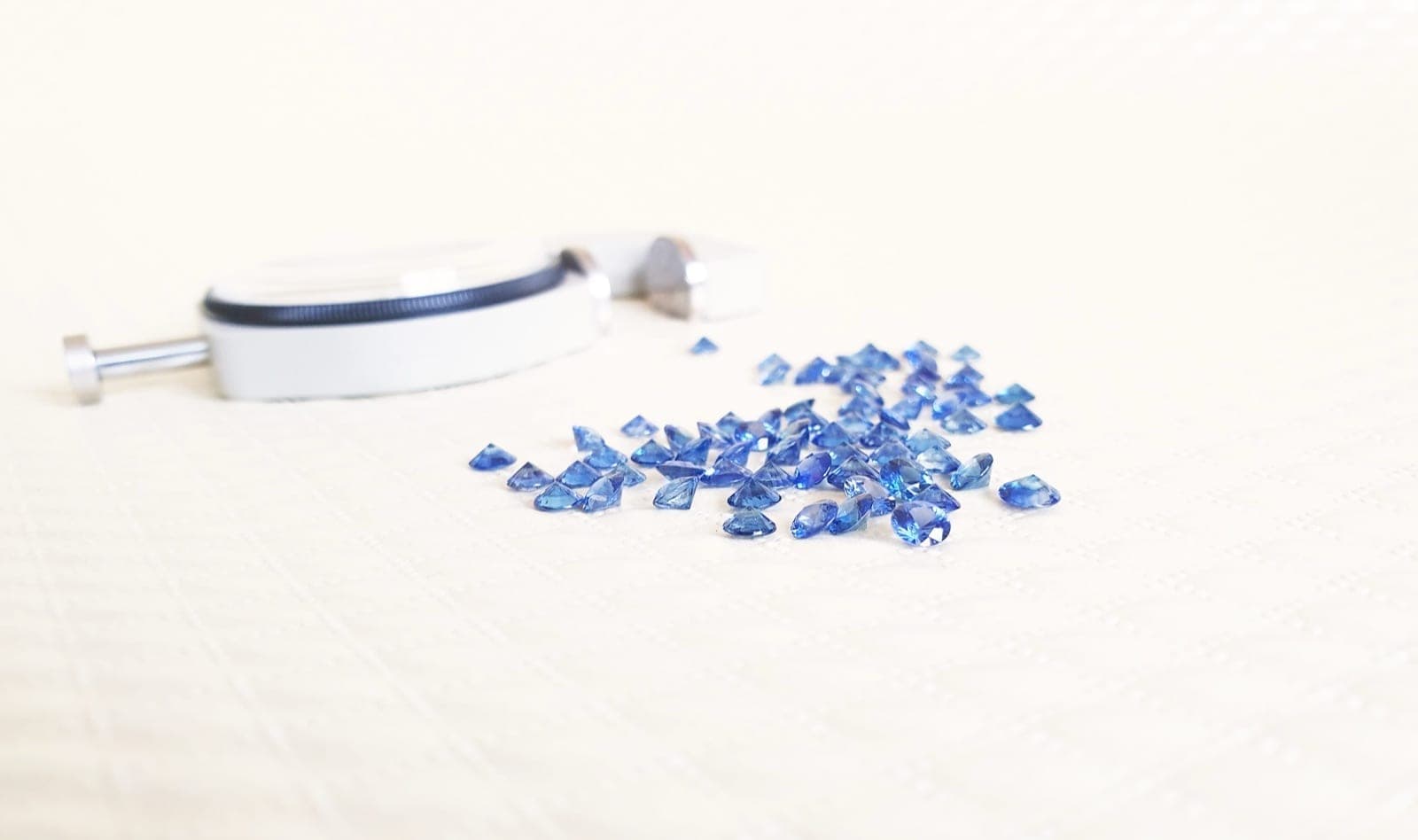
Color Grading in Practice: The AAA-B System
While there is no universal grading standard for colored sapphires (unlike the GIA diamond system), the wholesale trade commonly uses an AAA to B letter-grade system. These grades integrate hue, tone, and saturation into a single quality designation.
Blue Sapphire Clarity Grading
Clarity in blue sapphires is evaluated differently than in diamonds. Because sapphires are Type II colored gemstones, the trade expects and accepts certain inclusions. The key question is not whether inclusions exist, but whether they affect the stone's beauty and durability when viewed in the intended setting.
Common Inclusion Types in Blue Sapphires
Understanding the types of inclusions helps buyers evaluate their impact:
Silk (rutile needles): Fine intersecting needles of rutile (TiO2) that form during crystal growth. Light silk can actually benefit a stone by scattering light within it, creating a soft, velvety appearance — the prized "Kashmir effect." Heavy silk, however, reduces transparency and makes the stone appear sleepy or cloudy.
Fingerprints (healed fractures): Partially healed fracture planes that resemble fingerprint patterns under magnification. These are common in heat-treated material where the treatment healed pre-existing fractures. Fingerprints are generally acceptable unless they reach the surface or are visible to the naked eye.
Crystal inclusions: Solid mineral crystals trapped during growth, including calcite, apatite, and zircon. Small, isolated crystals in non-critical positions are acceptable. Clusters or large crystals near the center of the stone reduce value significantly.
Color zoning: While technically not an inclusion, color zoning — visible bands of uneven color distribution — is evaluated alongside clarity. Zoning that is invisible face-up in the mounted stone is acceptable. Zoning visible to the naked eye in the face-up position drops the stone at least one clarity grade.
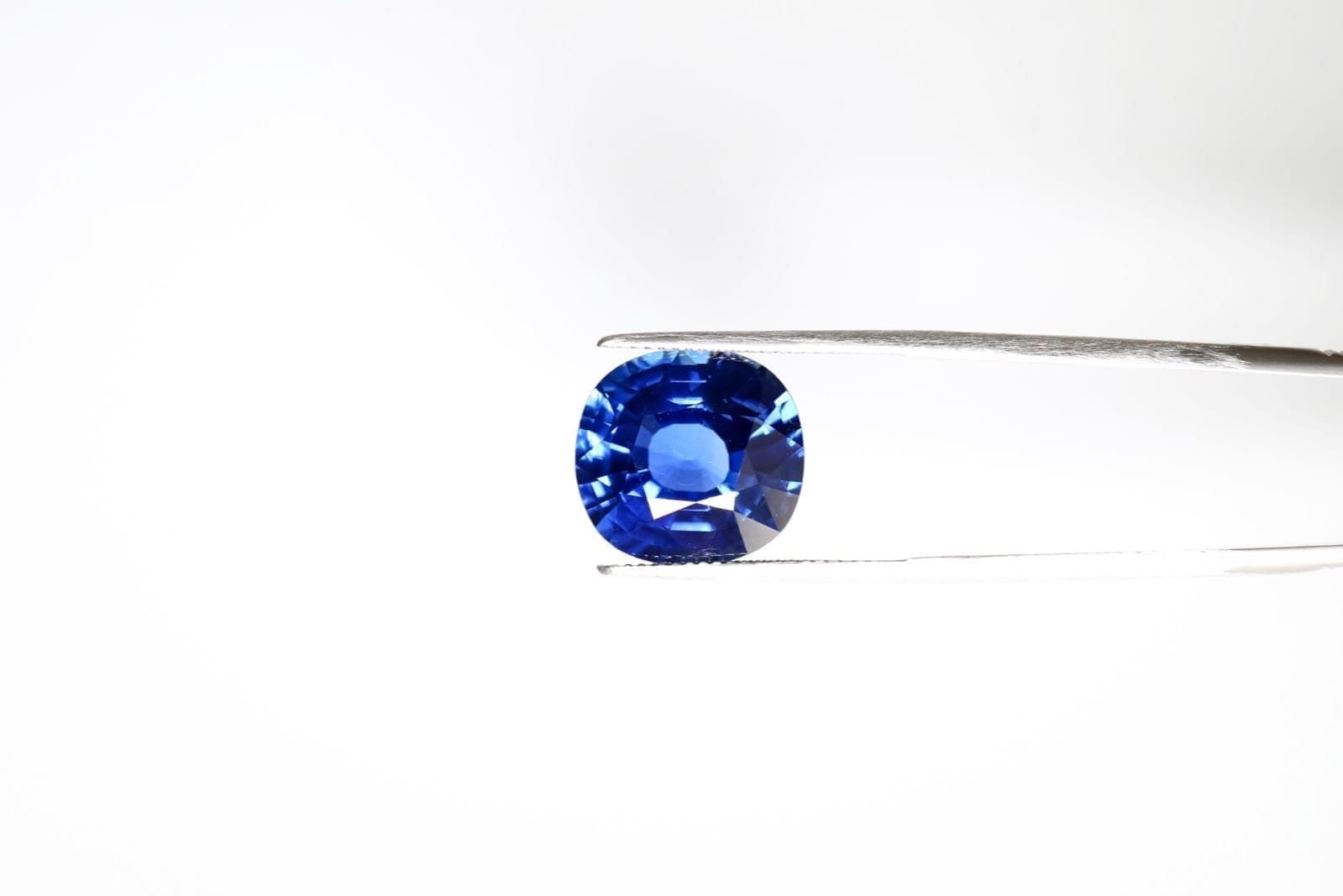
Clarity and Heat Treatment Interaction
Heat treatment can significantly affect clarity by dissolving silk and healing fractures. A stone that was heavily silked before treatment may emerge eye-clean after careful heating. This is standard industry practice and is fully disclosed in the trade.
However, buyers should be aware that some clarity improvements from heat treatment can be unstable. Borax-residue-filled fractures, for example, may deteriorate over time or during jewelry repair processes involving heat. Always verify that your supplier discloses the full treatment history, not just "heated" versus "unheated." For more on this topic, read our detailed guide on sapphire heat treatment.
Blue Sapphire Cut Grading
Cut is the most undervalued quality factor in the sapphire trade, yet it has an enormous impact on the stone's face-up appearance. Unlike diamonds, there is no standardized cut grading system for sapphires, which means buyers must develop their own evaluation criteria.
What Makes an Excellent Sapphire Cut
An excellent sapphire cut optimizes three objectives simultaneously:
-
Color presentation: The cut should maximize the stone's best color by orienting the crystal axis correctly and providing adequate depth for light absorption. A stone cut too shallow will appear washed out; too deep, and it will appear dark or "windowed."
-
Light return: The pavilion facets should return light efficiently through the crown, creating brightness and scintillation. A well-cut sapphire will appear luminous and alive, while a poorly cut stone appears dull or "dead."
-
Weight retention: Commercial cutting must balance beauty against yield. An expert cutter finds the optimal compromise — retaining maximum weight from the rough while still achieving excellent optical performance. Our precision cutting service in Bangkok is specifically designed to maximize this balance for wholesale buyers.
Key Cut Proportions for Blue Sapphires
The Windowing Problem
Windowing occurs when light passes directly through a sapphire without reflecting off the pavilion facets. The result is a transparent "window" in the center of the stone, visible when viewed face-up. Windowing is the single most common cut defect in commercial sapphires because cutting for maximum weight retention often means cutting too shallow.
For wholesale buyers, windowing tolerance varies by grade:
- AAA-AA grade: No visible windowing permitted.
- A grade: Minimal windowing acceptable if not obvious in the intended setting.
- B grade: Moderate windowing acceptable for commercial applications.
Cut Quality and Calibration
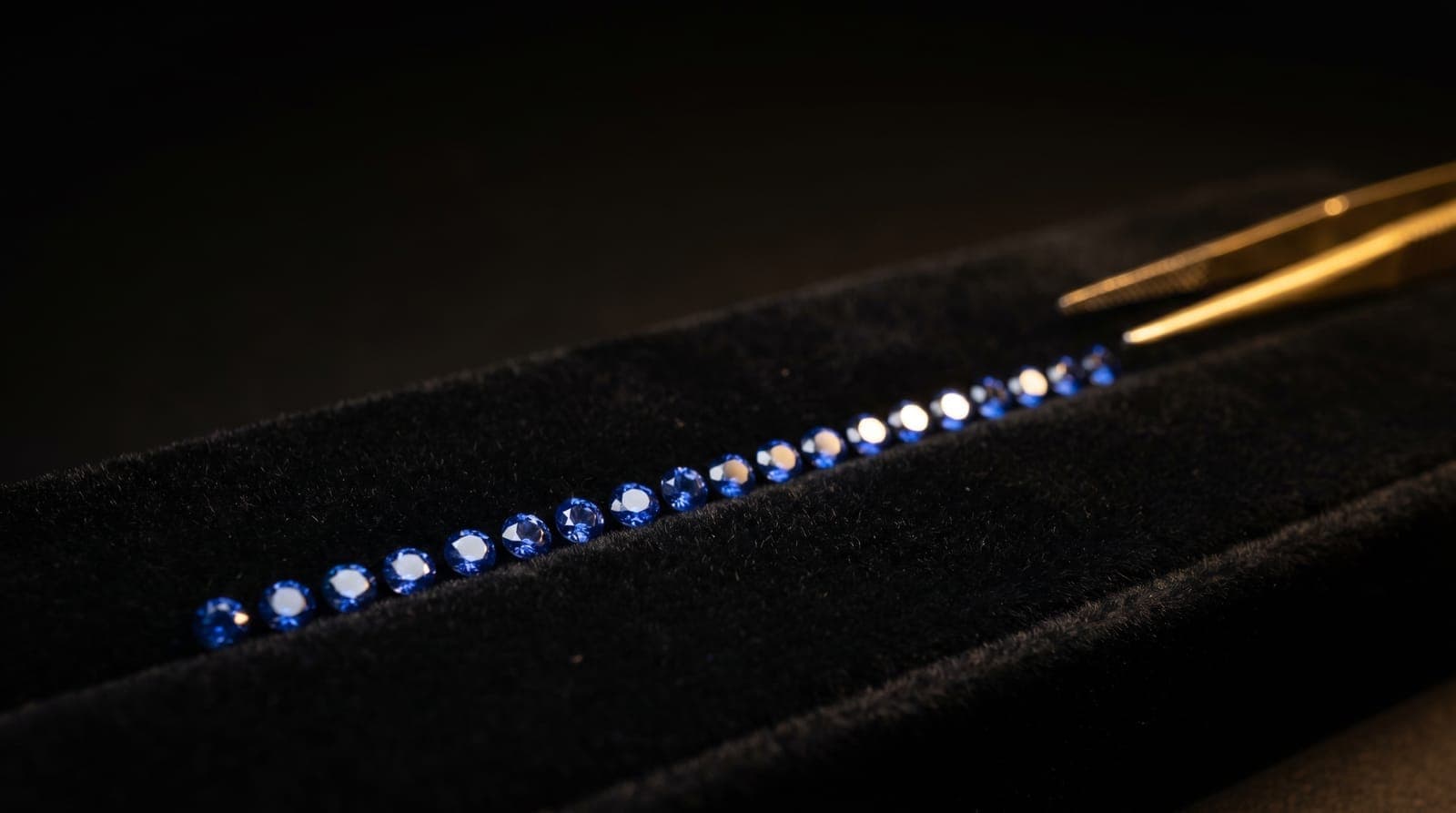
For B2B buyers sourcing calibrated stones, cut consistency across a lot is as important as individual stone quality. Variation in depth percentages within a calibrated lot creates inconsistent color appearance across the finished jewelry line — some stones will appear bright while others look dark, even though they are the "same" grade.
When evaluating a calibrated lot, randomly select 20 stones and measure their depth percentages with a digital gauge. A standard deviation of less than 2% across the sample indicates excellent cutting consistency. Anything above 4% suggests the lot was cut from mixed rough or by multiple cutters with inconsistent standards. For a deeper look at how we ensure precision across lots, see our guide on gemstone calibration.
Putting It All Together: Integrated Grading
Professional sapphire grading integrates color, clarity, and cut into a holistic quality assessment. A stone with AAA color but poor cut may appear less attractive than an AA-color stone with an exceptional cut. Similarly, an eye-clean stone with poor color saturation is worth less than a slightly included stone with vivid saturation.
For B2B buyers, the practical approach is to establish minimum standards for each factor based on your target market:
- Fine jewelry lines: AAA-AA color, eye-clean to slightly included clarity, excellent cut with no windowing
- Mid-range commercial: AA-A color, slightly included clarity, good cut with minimal windowing
- Volume production: A-B color, moderately included clarity, acceptable cut
At Lim Gems Factory, we sort all outgoing parcels to these specifications so buyers receive consistent quality aligned to their market tier. Our in-house cutting operation means we control every stage from rough evaluation through final calibration, ensuring each stone meets the designated grade. You can learn more about our sourcing and factory operations or contact our team to discuss grading specifications for your next order.
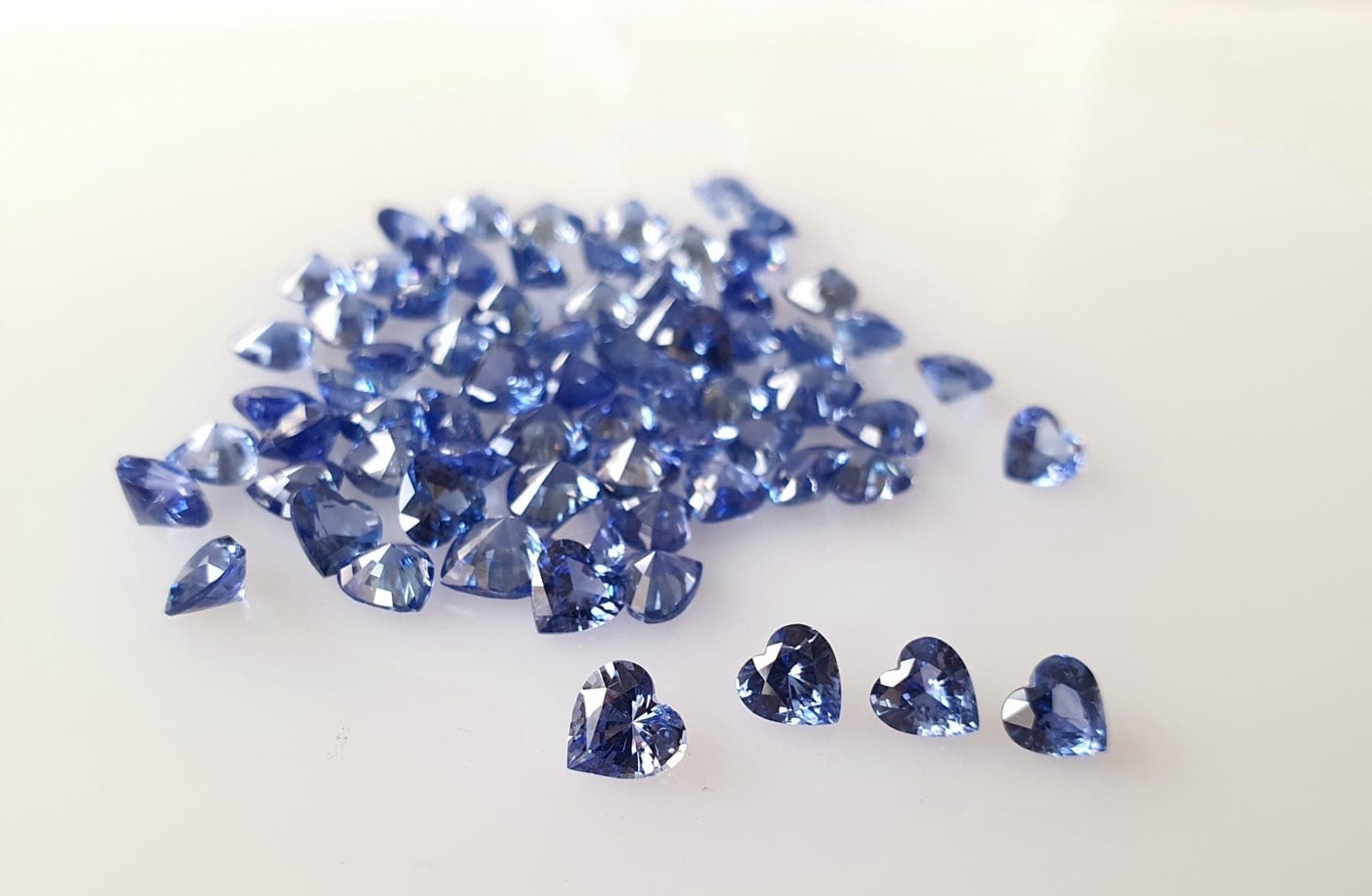
Grading Across Origins: How Source Affects Evaluation
Different sapphire origins produce characteristic quality profiles that experienced graders recognize. While origin alone does not determine quality, understanding these tendencies helps buyers set realistic expectations when sourcing specific origins.
Ceylon sapphires tend toward lighter tones with high brilliance, making them excellent candidates for larger stones where lighter tone is acceptable. Thai and Cambodian material typically runs darker with more green secondary tones, requiring careful sorting for the B2B market. Madagascar has emerged as one of the most versatile sources, producing material across the full quality spectrum.
Understanding origin-specific grading nuances is particularly important when evaluating padparadscha and pink sapphires, where subtle color distinctions carry enormous value implications.
Summary: Key Takeaways for B2B Sapphire Buyers
Blue sapphire grading is both science and art. The science lies in systematic evaluation across defined criteria. The art lies in understanding how those criteria interact and which trade-offs matter for your specific market. By developing fluency in color, clarity, and cut evaluation, wholesale buyers can source confidently, negotiate effectively, and deliver consistent quality to their customers.
Browse our full sapphire collection to see graded parcels available for immediate shipment, or contact our team to discuss custom grading specifications for your production requirements.