Understanding Sapphire Quality for Wholesale Buyers
Purchasing sapphires at wholesale volumes requires a different skill set than buying individual stones. When you are sourcing hundreds or thousands of calibrated sapphires for jewelry production lines, consistency matters as much as individual stone quality. This guide covers everything a B2B buyer needs to evaluate before placing an order. Suppliers also set minimum order quantities that vary by stone size and grade.
Sapphires belong to the corundum mineral family (aluminum oxide, Al2O3) and achieve their blue color primarily through trace amounts of iron and titanium. The interplay of these trace elements — along with crystal structure and light behavior — determines the hue, tone, and saturation that ultimately define a stone's market value.
Color Grading: The Most Critical Factor
Color drives most of a blue sapphire's value. Professional graders evaluate it across three interconnected dimensions — hue, tone, and saturation — and understanding how they interact is essential for any buyer sourcing wholesale sapphires.
Hue: The Dominant Spectral Color
Blue sapphire hue is defined as the dominant wavelength of light the stone reflects back to the eye. Pure blue hues are the most valued, but in practice, most sapphires exhibit secondary hue modifiers.
Violet-blue secondary tones are generally acceptable and can enhance the stone's richness. In the trade, a slight violet modifier in a medium-toned sapphire is what produces the sought-after "cornflower blue" appearance. Green-blue secondary tones, however, significantly diminish value. Even a faint greenish cast visible under daylight-equivalent lighting can drop a stone from premium to commercial grading.
Tone: Light to Dark Spectrum
Tone describes where a sapphire falls on the spectrum from colorless to black. On a 0–100% tone scale (colorless to black), the optimal range for blue sapphires is roughly 65–80%.
Stones below 60 on the tone scale appear washed out and "watery," particularly in calibrated sizes under 4mm where there is less material to generate color. Stones above 85 appear nearly black, losing the blue character entirely — a common issue with Australian and some Thai material.
The relationship between tone and size is critical for wholesale buyers. A stone that appears perfectly toned at 6mm may look too light when cut to 3mm, because the shorter light path through a small stone absorbs less light. Experienced cutters compensate by choosing darker rough for small calibrated sizes or cutting them slightly deeper.
Saturation: Intensity and Purity
Saturation measures how vivid or muted the blue color appears. Saturation grades typically range from grayish (low) through moderate, strong, to vivid (highest). Strong to vivid saturation commands premium pricing across all origins.
Gray masking — the presence of a brownish-gray cast that dulls the blue — is the primary saturation concern in wholesale parcels. It is particularly common in heat-treated material where the treatment was insufficient or the starting rough was heavily included. A quick test: view the parcel against a white background. If stones appear steely or "flat" rather than rich and luminous, gray masking is likely present.
| Saturation Level | Visual Description | Trade Impact | Typical Origin |
|---|---|---|---|
| Vivid | Intense, electric blue with no gray masking | Premium pricing, fine jewelry | Kashmir, Burma, top Ceylon |
| Strong | Rich blue, minimal gray, excellent face-up | High-commercial to fine jewelry | Ceylon, Madagascar, heated Burma |
| Moderate | Pleasant blue but lacks intensity, slight gray | Commercial jewelry | Madagascar, Thailand, Australia |
| Weak/Grayish | Muted blue with obvious gray or brown masking | Fashion jewelry, melee production | Australia, low-grade Thai material |
The AAA–B Letter Grades
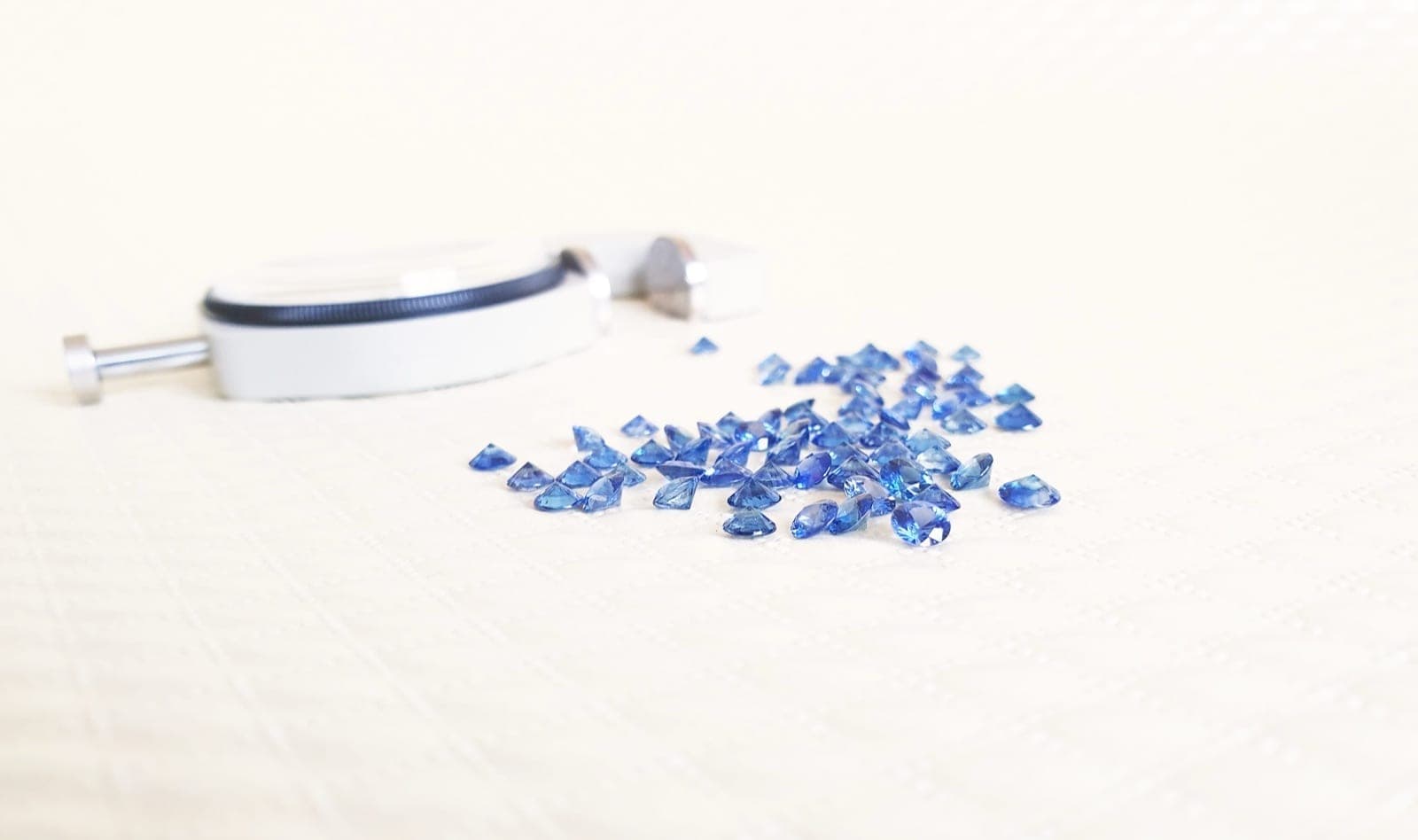
While there is no universal grading standard for colored sapphires (unlike the GIA diamond system), the wholesale trade commonly uses an AAA to B letter-grade system. These grades integrate hue, tone, and saturation into a single quality designation.
Letter grades are a trade convention, not a lab standard — suppliers draw the lines differently, so always grade against approved master stones.
| Grade | Hue | Tone | Saturation | Typical use |
|---|---|---|---|---|
| AAA | Pure blue, at most a slight violet | Medium to medium-dark | Vivid to strong | Fine jewelry, flagship pieces |
| AA | Blue, slight secondary hue | Slightly lighter or darker than ideal | Strong | Mid-range jewelry, engagement rings |
| A | Blue with noticeable modifiers | Light to dark | Moderate to strong | Commercial jewelry, silver settings |
| B | Blue with green or gray modifiers | Variable | Moderate to weak | Fashion jewelry, volume production |
Color Zoning and Its Impact
Color zoning — visible bands or patches of uneven color distribution within a stone — is one of the most common issues in wholesale sapphire parcels. While minor zoning is acceptable in commercial grades, it becomes problematic when visible face-up in the mounted stone. When inspecting a lot, always evaluate zoning from the face-up position, not through the pavilion. A skilled cutter can orient zoning to minimize its visibility, which is why choosing a supplier with in-house cutting capabilities is essential.
Clarity Standards for Wholesale
Clarity in blue sapphires is evaluated differently than in diamonds. Because sapphires are Type II colored gemstones, the trade expects and accepts certain inclusions. The key question is not whether inclusions exist, but whether they affect the stone's beauty and durability when viewed in the intended setting.
Common Inclusion Types in Blue Sapphires
Understanding the types of inclusions helps buyers evaluate their impact:
Silk (rutile needles): Fine intersecting needles of rutile (TiO2) that form during crystal growth. Light silk can actually benefit a stone by scattering light within it, creating a soft, velvety appearance — the prized "Kashmir effect." Heavy silk, however, reduces transparency and makes the stone appear sleepy or cloudy.
Fingerprints (healed fractures): Partially healed fracture planes that resemble fingerprint patterns under magnification. These are common in heat-treated material where the treatment healed pre-existing fractures. Fingerprints are generally acceptable unless they reach the surface or are visible to the naked eye.
Crystal inclusions: Solid mineral crystals trapped during growth, including calcite, apatite, and zircon. Small, isolated crystals in non-critical positions are acceptable. Clusters or large crystals near the center of the stone reduce value significantly.
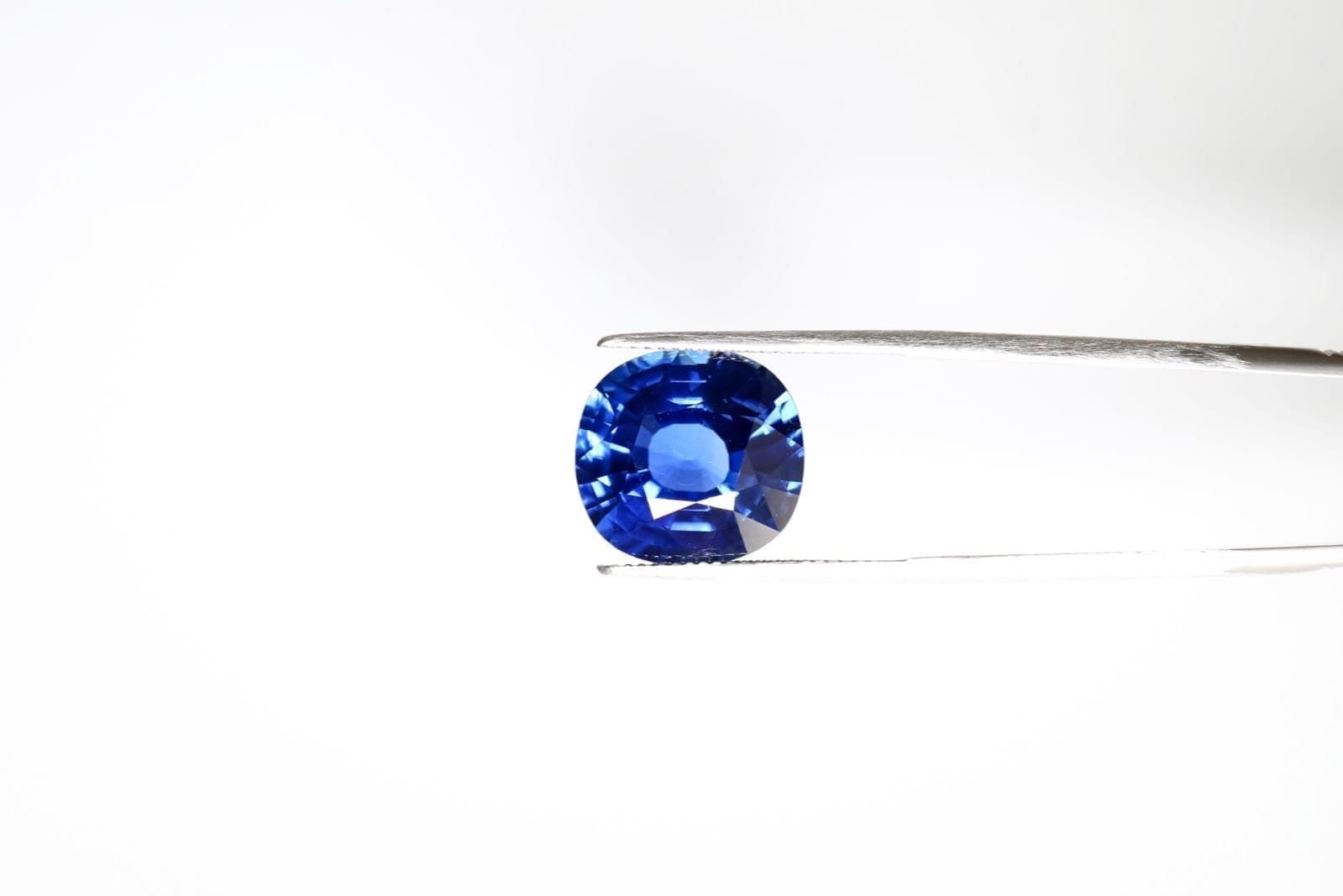
Wholesale parcels are usually sorted into four clarity tiers. These are a trade sort rather than a laboratory scale, so confirm your supplier's definitions against sample stones:
| Eye-Clean | No inclusions visible to the unaided eye at normal viewing distance. Premium grade; rarer as size increases. |
| Slightly Included | Minor inclusions, at most faintly visible on close inspection; not distracting face-up. Trade standard for quality wholesale lots. |
| Moderately Included | Inclusions faintly visible to naked eye but do not significantly affect brilliance. Commercial grade. |
| Heavily Included | Inclusions obvious to naked eye, may affect durability. Suitable only for fashion/melee. |
Clarity and Heat Treatment Interaction
Heat treatment can significantly affect clarity by dissolving silk and healing fractures. A stone that was heavily silked before treatment may emerge eye-clean after careful heating. This is standard industry practice — and it should always be disclosed.
However, buyers should be aware that some clarity improvements from heat treatment can be unstable. Borax-residue-filled fractures, for example, may deteriorate over time or during jewelry repair processes involving heat. Always verify that your supplier discloses the full treatment history, not just "heated" versus "unheated." For more on this topic, read our detailed guide on sapphire heat treatment.
Calibration Specifications
For jewelry manufacturers, precise calibration is non-negotiable. Calibrated stones must fit standard setting sizes without modification, and inconsistent sizing causes production delays and increased labor costs.
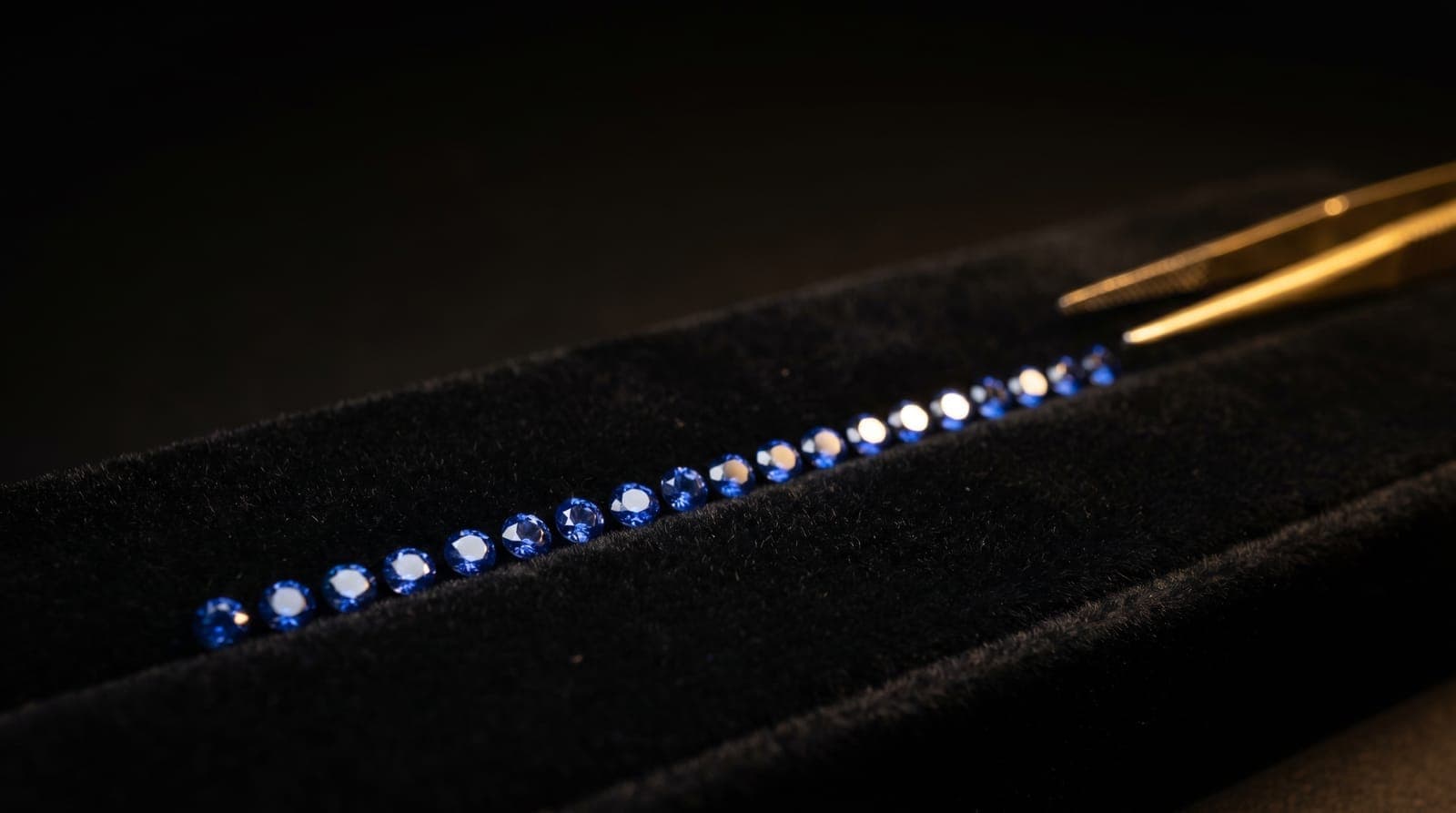
Standard calibrated sizes for round sapphires include 1.5mm, 2.0mm, 2.5mm, 3.0mm, 3.5mm, 4.0mm, 5.0mm, and 6.0mm. Oval calibrations typically follow standard ratios of 1.3:1 to 1.5:1 (length to width). The industry tolerance for calibrated stones is generally +/- 0.10mm, though tighter tolerances of +/- 0.05mm can be specified for precision work.
When evaluating a supplier's calibration capabilities, request sample lots before committing to large orders. Measure at least 20 randomly selected stones with a digital caliper — sizes should hold to the agreed tolerance, and depth should be consistent (see cut quality below).
Cut Quality: The Undervalued Factor
Cut is the most undervalued quality factor in the sapphire trade, yet it has an enormous impact on the stone's face-up appearance. Unlike diamonds, there is no standardized cut grading system for sapphires, which means buyers must develop their own evaluation criteria.
What Makes an Excellent Sapphire Cut
An excellent sapphire cut optimizes three objectives simultaneously:
-
Color presentation: The cut should maximize the stone's best color by orienting the crystal axis correctly and providing adequate depth for light absorption. A stone cut too shallow will appear washed out or "windowed"; too deep, and it goes dark through extinction.
-
Light return: The pavilion facets should return light efficiently through the crown, creating brightness and scintillation. A well-cut sapphire will appear luminous and alive, while a poorly cut stone appears dull or "dead."
-
Weight retention: Commercial cutting must balance beauty against yield. An expert cutter finds the optimal compromise — retaining maximum weight from the rough while still achieving excellent optical performance. Our precision cutting service in Bangkok is specifically designed to maximize this balance for wholesale buyers.
Key Cut Proportions for Blue Sapphires
| Depth Percentage (Round) | 60-67% optimal. Below 55% causes windowing; above 72% appears dark and heavy. |
| Crown Angle | 33-37 degrees. Higher crowns improve color saturation in lighter material. |
| Table Size | 55-65% of girdle diameter. Larger tables suit darker stones; smaller tables benefit lighter stones. |
| Girdle Thickness | Medium to slightly thick. Thin girdles chip during setting; very thick girdles waste weight. |
| Symmetry | Facet junctions should meet cleanly. Misaligned facets create 'dead zones' that reduce brilliance. |
The Windowing Problem
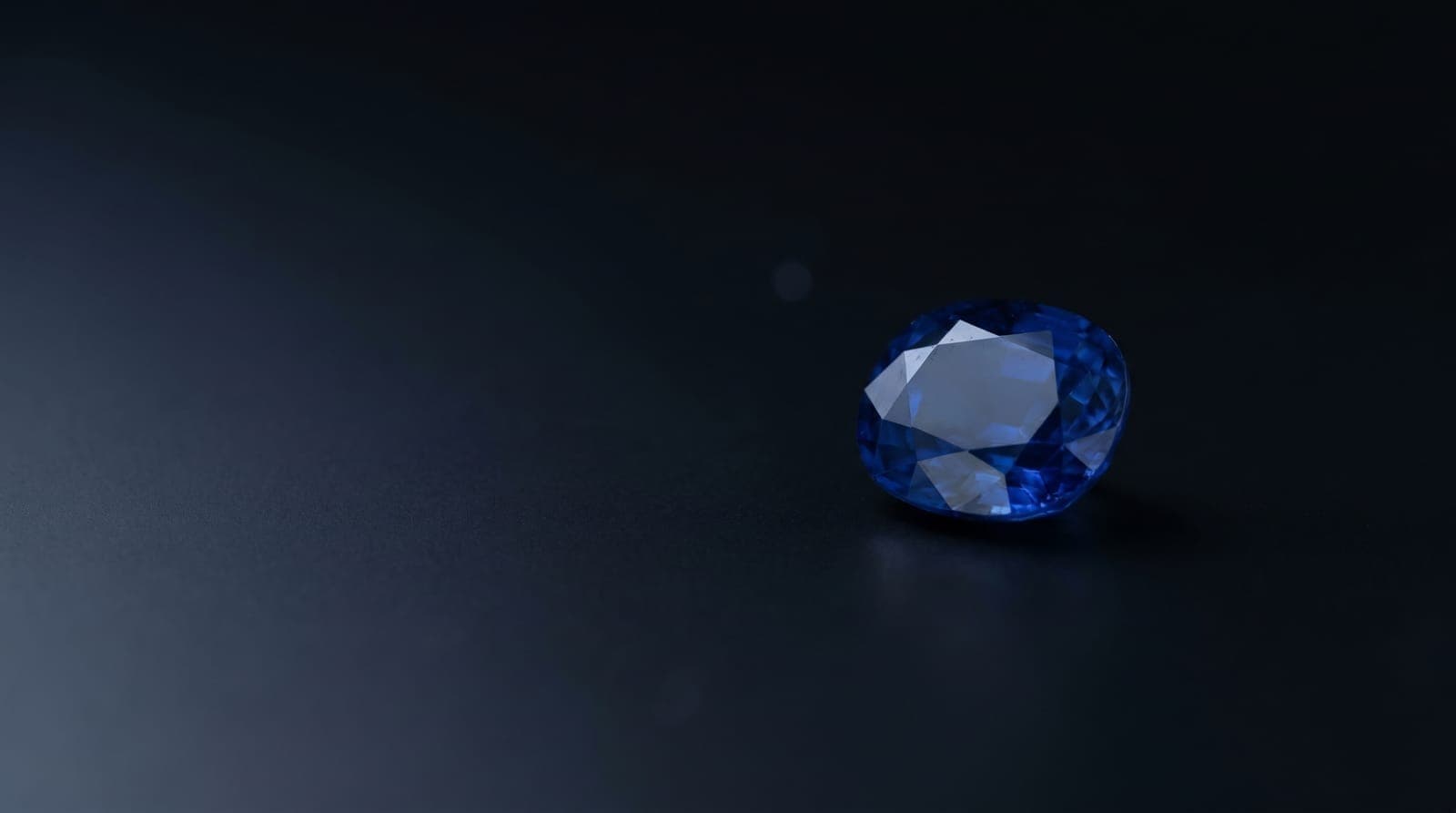
Windowing occurs when light passes directly through a sapphire without reflecting off the pavilion facets. The result is a transparent "window" in the center of the stone, visible when viewed face-up. Windowing is the single most common cut defect in commercial sapphires because cutting for maximum weight retention often means cutting too shallow.
For wholesale buyers, windowing tolerance varies by grade:
- AAA-AA grade: No visible windowing permitted.
- A grade: Minimal windowing acceptable if not obvious in the intended setting.
- B grade: Moderate windowing acceptable for commercial applications.
Cut Quality and Calibration
For B2B buyers sourcing calibrated stones, cut consistency across a lot is as important as individual stone quality. Variation in depth percentages within a calibrated lot creates inconsistent color appearance across the finished jewelry line — some stones will appear bright while others look dark, even though they are the "same" grade.
Use the same 20-stone sample from your calibration check to compare depth percentages: in a well-cut lot they cluster tightly, while wide scatter usually means the lot was cut from mixed rough or by cutters working to different standards.
Heat Treatment Transparency
The vast majority of sapphires on the market today have undergone heat treatment to improve color and clarity — estimates range from 90-95% of commercial material. Reputable suppliers are transparent about treatment status, and this transparency should be a baseline requirement, not a bonus.
Heat treatment in sapphires is considered a standard, permanent enhancement. Unheated sapphires of fine quality command significant premiums — often 30-50% above comparable heated stones, and considerably more at the top of the market. However, for most commercial jewelry applications, well-treated sapphires offer excellent value and consistent quality.
What to confirm with your supplier:
- Treatment disclosure: Every lot should come with clear documentation stating whether stones are heated or unheated.
- Treatment type: Standard heat treatment (no additives) vs. lattice diffusion, beryllium treatment, or glass filling. The latter treatments should always be disclosed and priced accordingly — see how treatment and color set value in our sapphire price per carat guide.
- Origin when claimed: If a supplier claims specific origins (Ceylon, Burma, Madagascar), they should be able to provide documentation or at minimum, demonstrate consistent sourcing channels.
Setting Grade Standards for Your Market
Professional sapphire grading integrates color, clarity, and cut into a holistic quality assessment. A stone with AAA color but poor cut may appear less attractive than an AA-color stone with an exceptional cut. Similarly, an eye-clean stone with poor color saturation is worth less than a slightly included stone with vivid saturation.
For B2B buyers, the practical approach is to establish minimum standards for each factor based on your target market:
- Fine jewelry lines: AAA-AA color, eye-clean to slightly included clarity, excellent cut with no windowing
- Mid-range commercial: AA-A color, slightly included clarity, good cut with minimal windowing
- Volume production: A-B color, moderately included clarity, acceptable cut
At Lim Gems Factory, we sort all outgoing parcels to these specifications so buyers receive consistent quality aligned to their market tier. Our in-house cutting operation means we control every stage from rough evaluation through final calibration, ensuring each stone meets the designated grade. You can learn more about our sourcing and factory operations or contact our team to discuss grading specifications for your next order.
What to Look for in a Supplier
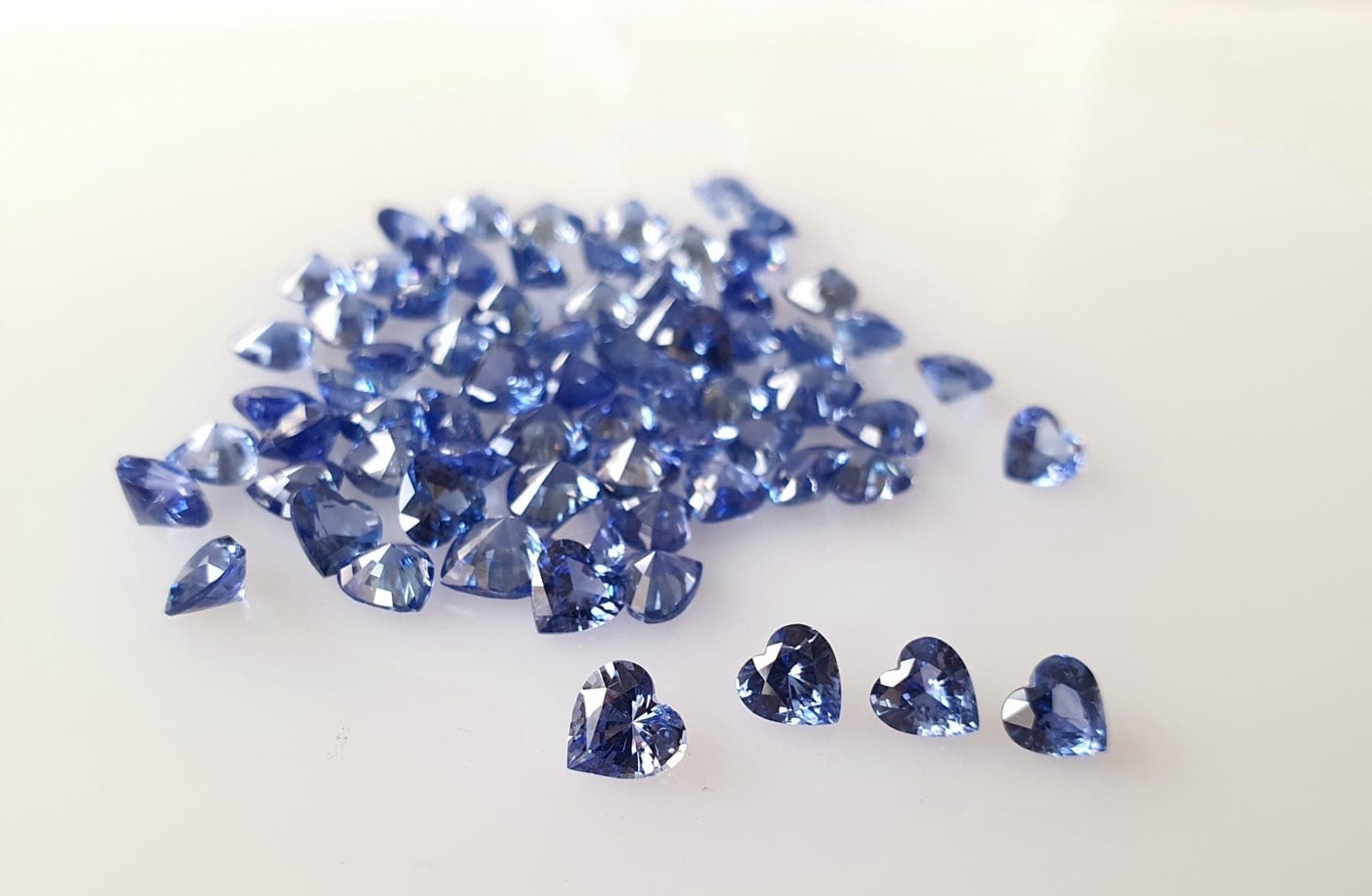
Sourcing wholesale sapphires from Bangkok offers distinct advantages: proximity to major mining regions in Sri Lanka, Myanmar, and Madagascar; a deep pool of experienced cutters; and an established trading infrastructure that has served the global market for decades. You can browse our sapphire inventory to see the range of calibrated goods currently available.
When evaluating a wholesale gemstone supplier, consider these factors:
- In-house cutting: Suppliers who cut on-site can adjust specifications, re-cut stones that don't meet standards, and maintain tighter quality control than brokers.
- Consistent inventory: A reliable supplier maintains buffer stock in popular calibrated sizes and can fulfill repeat orders without significant quality variation.
- Flexible grading: The ability to sort and grade to your specific requirements rather than offering only pre-sorted lots.
- Communication: Responsive to specification questions, willing to send approval lots, and transparent about timelines.
- Factory visits: Willingness to host buyer visits demonstrates confidence in their operation.
At Authentic Gemstone, our precision cutting facility in Bangkok processes sapphires from rough to calibrated finished goods under one roof. This vertically integrated approach ensures consistency across orders and gives us the flexibility to meet custom specifications.
Origin Considerations
Major sapphire sources each have characteristic qualities that experienced buyers learn to recognize:
- Sri Lanka (Ceylon): Known for lighter, bright blues with high brilliance. Excellent for sizes above 3mm.
- Myanmar (Burma): Traditionally the source of the most valued "royal blue" sapphires, though supply has become inconsistent.
- Madagascar: Emerged as a major commercial source producing a wide range of qualities. Excellent value for calibrated goods.
- Thailand/Cambodia: Typically darker material, often with greenish secondary tones. Good for commercial grades.
- Australia: Dark blue to near-black material, primarily suited for fashion jewelry.
Origin nuances matter even more for fancy colors — see our guides to pink sapphire grading and padparadscha vs pink sapphire.
For most wholesale applications, origin is less important than the actual quality of the parcel in hand. A well-selected Madagascar lot can easily rival Ceylon material in the commercial grades, and at a significantly lower cost basis.
Placing Your First Order
If you are new to sourcing sapphires from Bangkok, we recommend starting with a small approval lot of 50-100 pieces in your most commonly used size. This allows you to evaluate quality, calibration consistency, and communication before committing to larger volumes.
Our custom sourcing service can help you identify the right quality grade and origin for your market segment, whether you are producing fine jewelry for European boutiques or commercial pieces for high-volume retail. If lab documentation is a requirement for your market, our overview of GIA, AIGS, and GIT certification explains how each report differs.
Contact our team to discuss your specifications and receive a no-obligation quote.