What Is Gemstone Calibration?
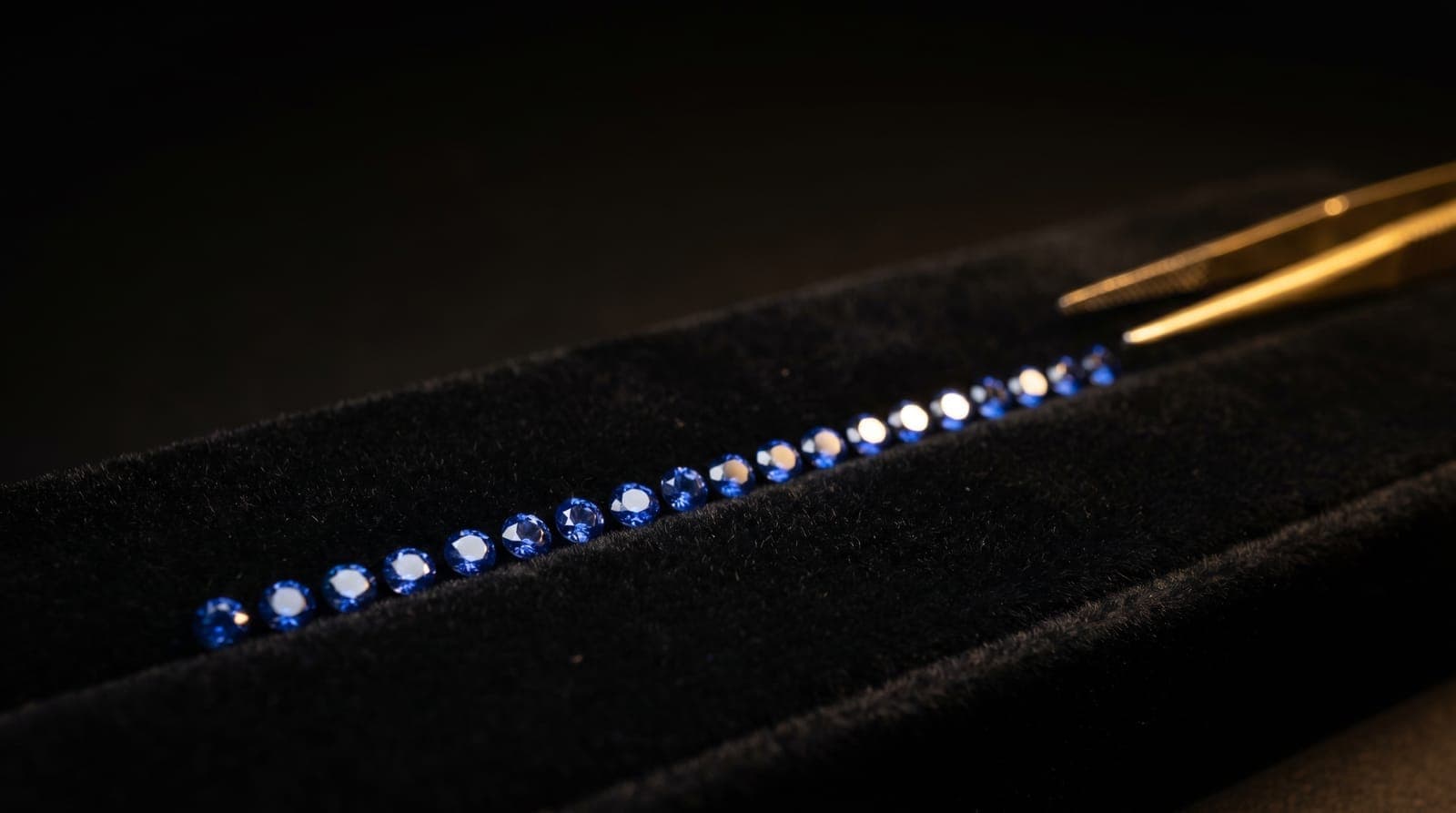
Gemstone calibration is the process of cutting a gemstone to precise, standardized dimensions so that it fits directly into a pre-manufactured jewelry setting without any modification. Calibration is defined by the International Gemstone Industry Terminology (IGIT) as "the cutting of gemstones to specific dimensional standards, measured in millimeters, to ensure compatibility with standardized jewelry mountings."
For jewelry manufacturers operating production lines, calibration is not optional — it is the foundation of efficient manufacturing. A stone that does not fit its setting creates a cascade of problems: production delays, hand-finishing labor, potential stone damage during forced setting, and ultimately, inconsistent product quality.
This guide covers everything B2B buyers need to know about calibration tolerances, measurement standards, common specifications, and how to evaluate a supplier's calibration capabilities.
Standard Calibrated Sizes
The gemstone industry has established standardized sizes for the most common shapes. These sizes correspond to the settings produced by major findings manufacturers worldwide.
Round Brilliant Calibrated Sizes
Round is the most commonly calibrated shape, with standard sizes measured by diameter:
- Melee range: 1.0mm, 1.25mm, 1.5mm, 1.75mm, 2.0mm, 2.25mm, 2.5mm, 2.75mm, 3.0mm
- Small stones: 3.5mm, 4.0mm, 4.5mm, 5.0mm
- Medium stones: 5.5mm, 6.0mm, 6.5mm, 7.0mm
- Larger stones: 7.5mm, 8.0mm, 9.0mm, 10.0mm
Between standard sizes, half-millimeter increments (e.g., 3.25mm, 4.75mm) are available from suppliers with precision cutting capabilities but are considered custom calibration and may carry a premium.
Oval Calibrated Sizes
Ovals follow a length x width convention with standard ratios between 1.3:1 and 1.5:1:
- Common sizes: 4x3mm, 5x3mm, 5x4mm, 6x4mm, 7x5mm, 8x6mm, 9x7mm, 10x8mm
- Extended range: 12x10mm, 14x10mm, 16x12mm
Other Common Calibrated Shapes
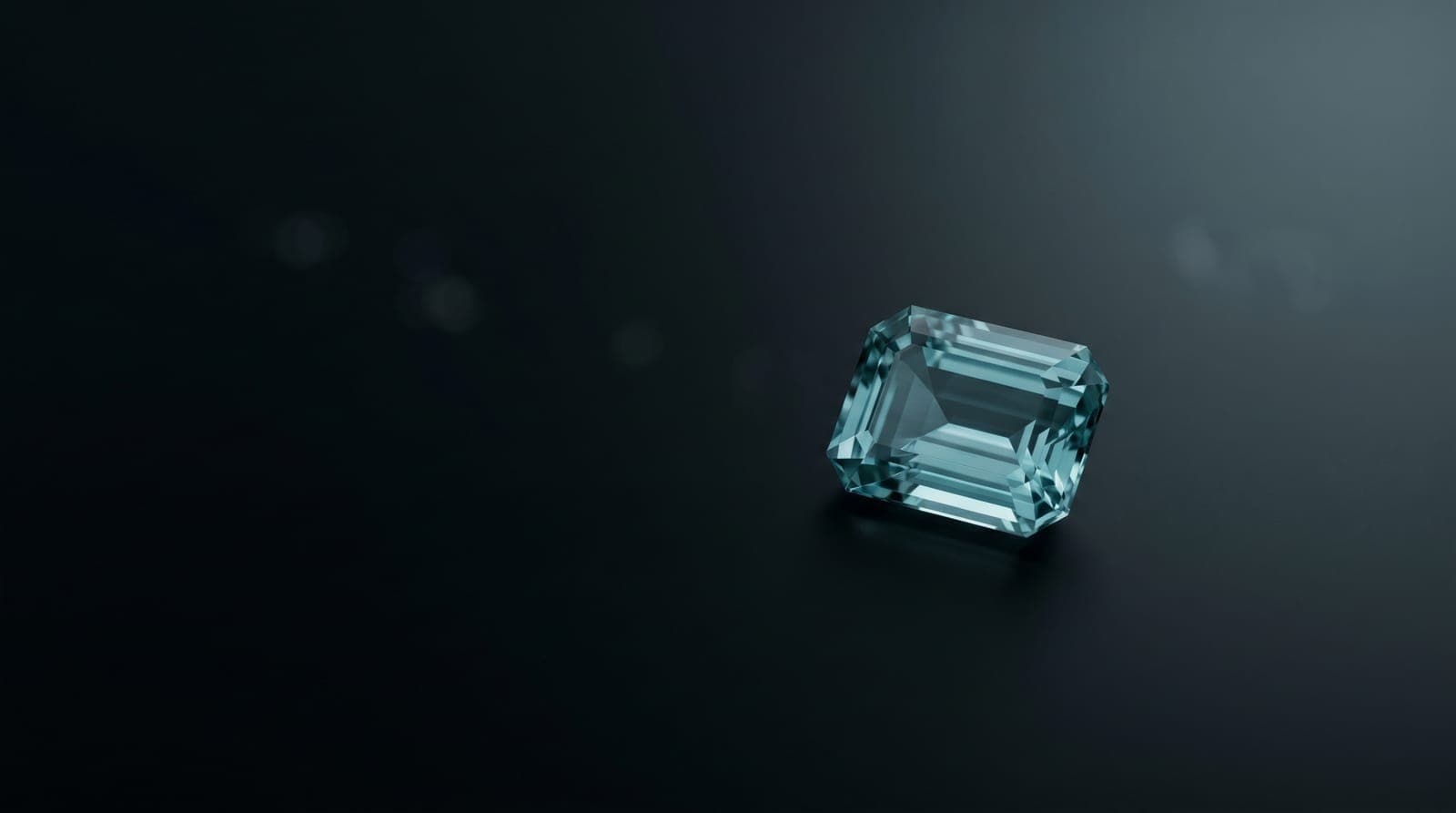
- Emerald/octagon: 5x3mm, 6x4mm, 7x5mm, 8x6mm, 9x7mm
- Pear/teardrop: 5x3mm, 6x4mm, 7x5mm, 8x5mm, 9x6mm
- Cushion: 4x4mm, 5x5mm, 6x6mm, 7x7mm, 8x8mm
- Princess/square: 2.5mm, 3.0mm, 3.5mm, 4.0mm, 5.0mm, 6.0mm
- Marquise: 6x3mm, 8x4mm, 10x5mm, 12x6mm
| Shape | Key Dimension | Standard Tolerance | Critical Measurement |
|---|---|---|---|
| Round | Diameter | +/- 0.10mm | Diameter uniformity (min vs max) |
| Oval | Length x Width | +/- 0.10mm each | L:W ratio consistency |
| Emerald | Length x Width | +/- 0.10mm each | Corner symmetry |
| Pear | Length x Width | +/- 0.10mm each | Point centering |
| Cushion | Length x Width | +/- 0.15mm each | Corner radius uniformity |
Understanding Tolerance Grades
Tolerance is the acceptable deviation from the specified dimension. Not all calibration is created equal, and understanding the tolerance grades helps B2B buyers specify the right level for their application.
Commercial Tolerance: +/- 0.15mm
This is the loosest standard calibration acceptable in the trade. Stones within commercial tolerance will fit most standard settings but may require minor adjustment by the setter. This grade is appropriate for:
- Fashion jewelry with flexible bezel settings
- Silver jewelry production where setting tolerances are wider
- Volume orders where cost minimization is the priority
Standard Tolerance: +/- 0.10mm
The most commonly specified calibration tolerance in the wholesale trade. Standard tolerance stones fit the vast majority of mass-produced settings without adjustment. Appropriate for:
- Mid-range to fine jewelry production
- Gold and platinum settings
- Channel settings where stone-to-stone fit matters
- Most B2B wholesale orders
Precision Tolerance: +/- 0.05mm
Premium calibration that delivers virtually perfect fit in tight-tolerance settings. Required for:
- High-end fine jewelry
- Invisible (mystery) settings where gaps between stones must be invisible
- Tension settings where exact diameter determines holding force
- Watch bezels and other precision applications
Ultra-Precision Tolerance: +/- 0.03mm
The tightest calibration available, used for specialized applications:
- Swiss watch manufacturing
- Invisible-set pavé in luxury goods
- Custom precision settings with zero tolerance for variance
Ultra-precision calibration requires advanced CNC equipment and significantly increases per-stone cost — typically 30-50% above standard tolerance pricing.
Depth and Crown/Pavilion Specifications
Calibration is not limited to the two-dimensional outline of a stone. Depth is equally critical for many setting types, and is often the dimension that causes the most problems on the production line.
Total Depth
Total depth is measured from the table (top flat facet) to the culet (bottom point). It is typically expressed as a percentage of the stone's diameter:
- Round brilliant ideal range: 58-67% of diameter
- Oval ideal range: 60-70% of width
- Emerald cut ideal range: 60-70% of width
A stone that is too deep will sit too high in the setting, creating a top-heavy appearance and increasing the risk of damage. A stone that is too shallow will sit below the girdle line, showing the setting metal through the crown.
Girdle Thickness
The girdle — the widest circumference of the stone — must fall within acceptable parameters:
- Thin: Risk of chipping during setting
- Medium: Ideal for most settings
- Thick: Adds unnecessary weight without improving appearance; may not fit flush in bezel settings
For calibrated wholesale lots, consistent girdle thickness across the parcel is as important as the absolute measurement. A lot where girdle thickness varies from thin to thick will create inconsistent appearance in a finished jewelry line.
Measuring and Verifying Calibration
When you receive a calibrated lot from your supplier, proper verification protects your production line from costly surprises.
Essential Measurement Tools
- Digital caliper (0.01mm resolution): The standard tool for measuring gemstone dimensions. Always use a caliper with gem-holding jaws — standard flat jaws can damage polished surfaces.
- Gemstone gauge plate: A quick-check tool with graduated holes for verifying round stone diameters without individual measurement.
- Leveridge gauge: Specialized for measuring mounted stones, useful for verifying calibration after setting.
- Digital micrometer: For ultra-precision work requiring +/- 0.01mm measurement accuracy.
Verification Protocol
A practical verification process for incoming calibrated lots:
- Random sampling: Measure a minimum of 10% of the lot or 20 stones, whichever is greater.
- Three-axis measurement: For each stone, measure length, width, and depth.
- Record extremes: Note the largest and smallest stones in the sample — these represent the actual range of the lot.
- Calculate conformance: Determine the percentage of sampled stones that fall within your specified tolerance.
- Accept or reject: Industry standard is 95% conformance for standard tolerance, 90% for precision tolerance.
If conformance falls below threshold, contact the supplier immediately. Reputable suppliers will work with you to sort the lot, replace out-of-spec stones, or recut marginal pieces.
Why Calibration Affects Price
Calibration is not free. Understanding the cost factors helps B2B buyers appreciate the pricing differences between calibrated and uncalibrated goods.
Yield Loss
The most significant cost factor in calibration is yield loss. When a cutter must hit an exact size, they cannot optimize for maximum carat weight retention. A piece of rough that could produce a 5.2mm stone yielding 0.55 carats must be cut down to 5.0mm, yielding perhaps 0.48 carats. That 0.07 carat difference, multiplied across thousands of stones, represents significant material value.
Additional Cutting Time
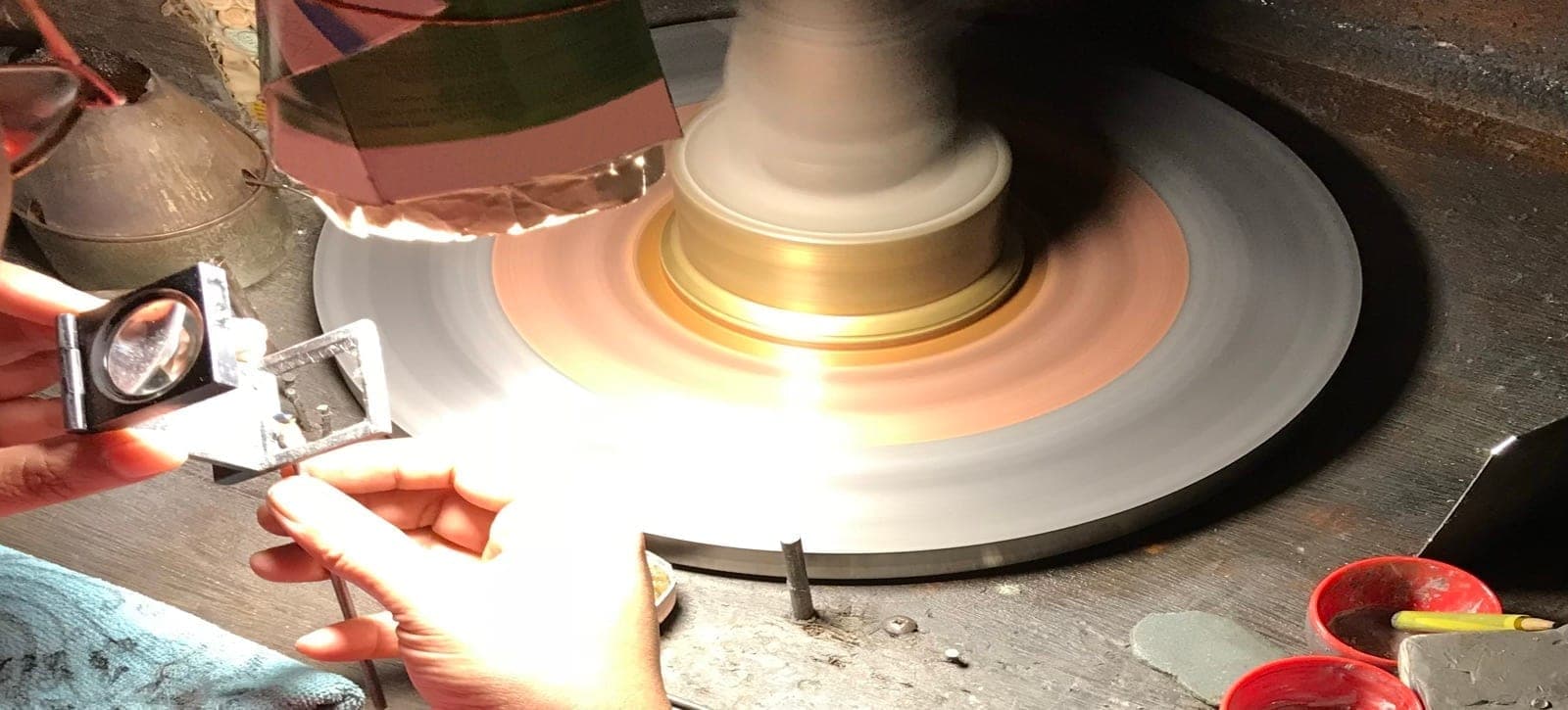
Calibrated cutting requires more precise setup, more frequent measurement during the cutting process, and often an additional finishing step to bring the stone to exact specification. A calibrated stone takes 20-40% longer to cut than an uncalibrated stone of the same size and shape.
Quality Control Labor
Every calibrated stone must be measured and verified before shipping. This quality control step adds labor cost that does not exist for uncalibrated goods sold by carat weight alone.
Rejection and Recutting
Stones that fall outside tolerance must be recut to a smaller standard size or sold as uncalibrated goods at a lower price. This rejection rate (typically 5-15% depending on material and tolerance grade) is factored into the pricing of the conforming stones.
Calibration Challenges by Stone Type
Different gemstone materials present different calibration challenges, and these affect both pricing and achievable tolerances.
Sapphires and Rubies (Corundum)
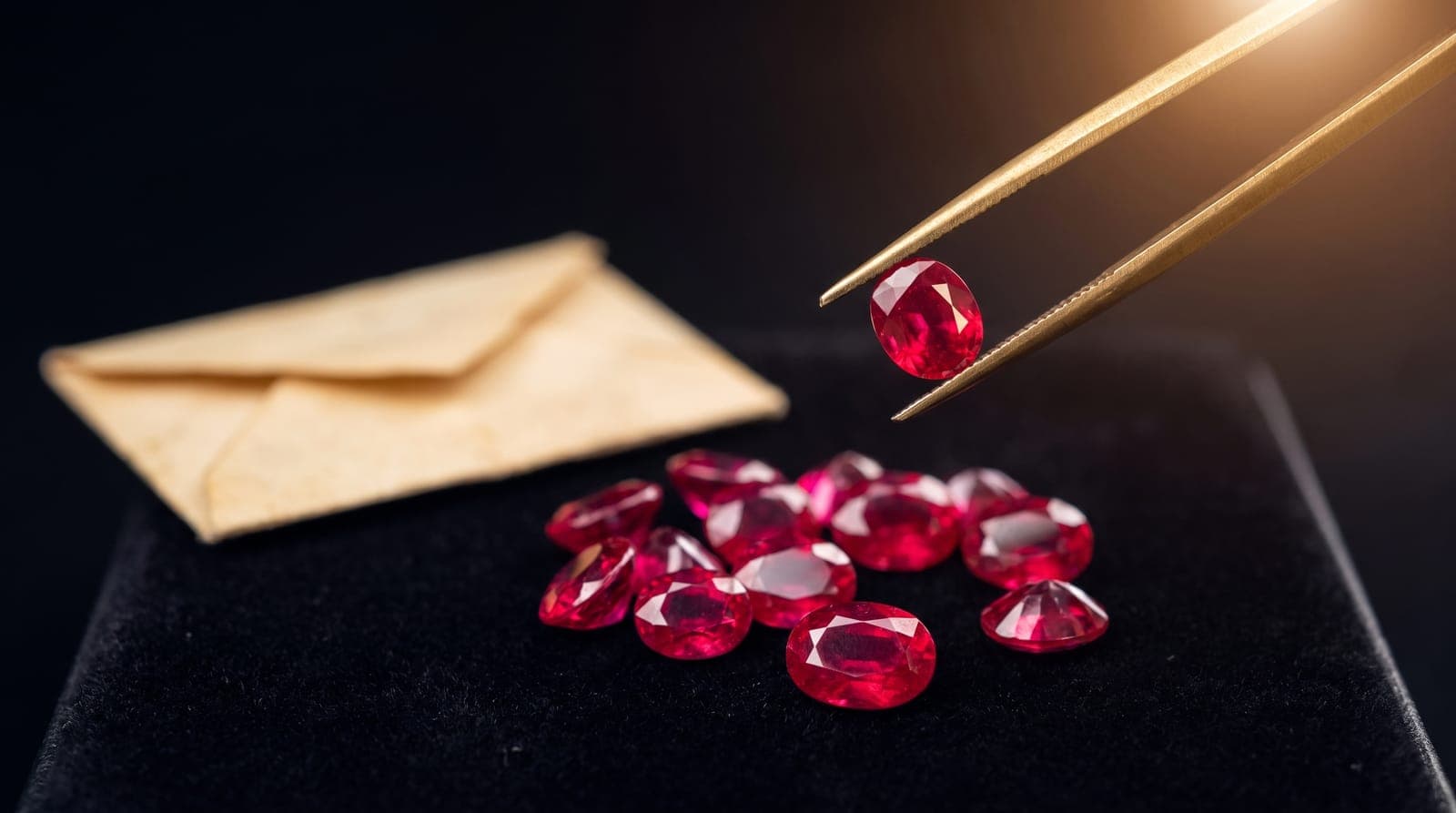
Corundum's consistent hardness of 9 on the Mohs scale makes it the easiest premium gemstone to calibrate. The material behaves predictably during cutting, and modern CNC equipment handles it exceptionally well. Our cutting facility processes calibrated corundum in all standard sizes with precision tolerance as standard. Learn more about our sapphire and ruby offerings. For a deeper look at how calibration decisions are made during cutting, our guide on machine-cut vs hand-cut gemstones explains the trade-offs.
Emeralds
Emeralds present the greatest calibration challenge among the "big three" precious stones. Natural inclusions (called "jardín") create planes of weakness that can cause chipping during precision cutting. Calibrated emeralds typically carry a 15-25% premium over calibrated sapphires of equivalent grade due to higher rejection rates and the need for more careful handling.
Tourmaline and Tanzanite
These stones have directional hardness variations that require experienced cutters to manage. Machine calibration works well for standard shapes, but the cutter must orient the rough correctly before beginning — an error in orientation can result in scratching or uneven polish.
Garnets and Spinels
These materials calibrate easily and predictably, making them excellent value choices for manufacturers who need consistent calibrated goods without premium pricing. Browse our other gemstones collection for calibrated garnets and spinels.
Specifying Calibration in Your Orders
When placing a calibrated order with our custom sourcing team or any supplier, include these specifications. If you are new to the sourcing process, our guide on how to source gemstones from Thailand walks through how to communicate calibration requirements to a Bangkok supplier.
- Shape: Use standard trade names (round brilliant, oval, cushion, etc.)
- Dimensions: Specify in millimeters (e.g., "6.0mm round" or "7x5mm oval")
- Tolerance grade: State your required tolerance explicitly (e.g., "+/- 0.10mm" or "precision +/- 0.05mm")
- Depth specification: Include acceptable depth range if critical for your setting type
- Girdle preference: Specify thin-to-medium, medium, or medium-to-thick
- Quantity: Total number of conforming stones needed (not including potential rejects)
- Quality grade: Color and clarity specifications per your requirements
Being explicit about these specifications upfront prevents misunderstandings and ensures your order arrives ready for production.
The Role of Calibration in Modern Jewelry Manufacturing
As the jewelry industry moves toward increasingly automated production — with CAD-designed settings, CNC-milled mountings, and robotic setting machines — calibration tolerances are tightening across the board. What was considered precision tolerance five years ago is now standard for many manufacturers.
Suppliers who invest in modern cutting equipment and maintain rigorous quality control processes are positioned to meet these evolving demands. At Lim Gems Factory, our cutting and sorting services are built around the understanding that calibration is not a feature — it is a fundamental requirement for every wholesale order. Visit our Bangkok factory or request a quote with your calibration specifications and let us demonstrate the precision our facility delivers.