Ceylon vs Thai Sapphires: A Wholesale Buyer's Origin Guide
Ceylon sapphires are defined as gem-quality corundum mined in Sri Lanka (historically known as Ceylon), characterized by typically lighter tones, strong fluorescence, and a bright, brilliant blue appearance. Thai sapphires are defined as gem-quality corundum from Thailand's Chanthaburi and Kanchanaburi deposits, generally exhibiting darker tones, higher iron content, and more muted fluorescence.
Origin comparison is one of the most practical skills a wholesale buyer can develop. While "origin premiums" sometimes reflect marketing more than quality, real geological differences between sources produce measurable variations in color, clarity, and treatment response. This guide examines those differences from the cutting floor perspective, drawing on our decades of experience processing rough from both origins in our Bangkok factory heritage and operations.
For a broader overview of sapphire quality factors, see our sapphire buying guide, which covers color, clarity, and cut grading.
Geological Background: Why the Differences Exist
The geological conditions that produce sapphires in Sri Lanka differ significantly from those in Thailand, and these differences directly affect the gemological properties of the resulting material.
Sri Lanka: Metamorphic Origin
Sri Lanka's sapphire deposits are primarily alluvial, with stones weathered from metamorphic host rocks (mainly skarns and granulites) in the central highlands around Ratnapura, Elahera, and Balangoda. The metamorphic formation environment produces corundum with:
- Lower iron content: Typically 0.1-0.5% Fe2O3, resulting in lighter blue colors
- Higher titanium-to-iron ratio: Produces blue through Ti-Fe charge transfer with less darkening from iron absorption
- Abundant rutile silk: The Ti-rich environment creates fine rutile needle inclusions
- Strong fluorescence: Low iron allows chromium and titanium fluorescence to contribute to the stone's brightness
Thailand: Basaltic Origin
Thai sapphires are found in basaltic gem fields, primarily around Chanthaburi (Bo Rai district) and Kanchanaburi in western Thailand. The basaltic origin imparts distinct characteristics:
- Higher iron content: Typically 1.0-2.5% Fe2O3, creating darker tones and more saturated blues
- Green secondary tones: Iron-iron charge transfer produces blue-green or green-blue hues
- Minimal silk: The basaltic environment produces fewer rutile inclusions
- Weak fluorescence: High iron content quenches fluorescence almost entirely
| Formation | Ceylon: Metamorphic (skarn/granulite) | Thai: Basaltic (alkali basalt) |
| Iron Content | Ceylon: Low (0.1-0.5% Fe2O3) | Thai: High (1.0-2.5% Fe2O3) |
| Typical Tone | Ceylon: Light to medium (50-70%) | Thai: Medium-dark to dark (70-90%) |
| Fluorescence | Ceylon: Moderate to strong (red) | Thai: Weak to inert |
| Common Inclusions | Ceylon: Rutile silk, zircon halos | Thai: Iron-staining, mineral crystals |
| Average Crystal Size | Ceylon: Variable, fine large stones available | Thai: Typically smaller rough |
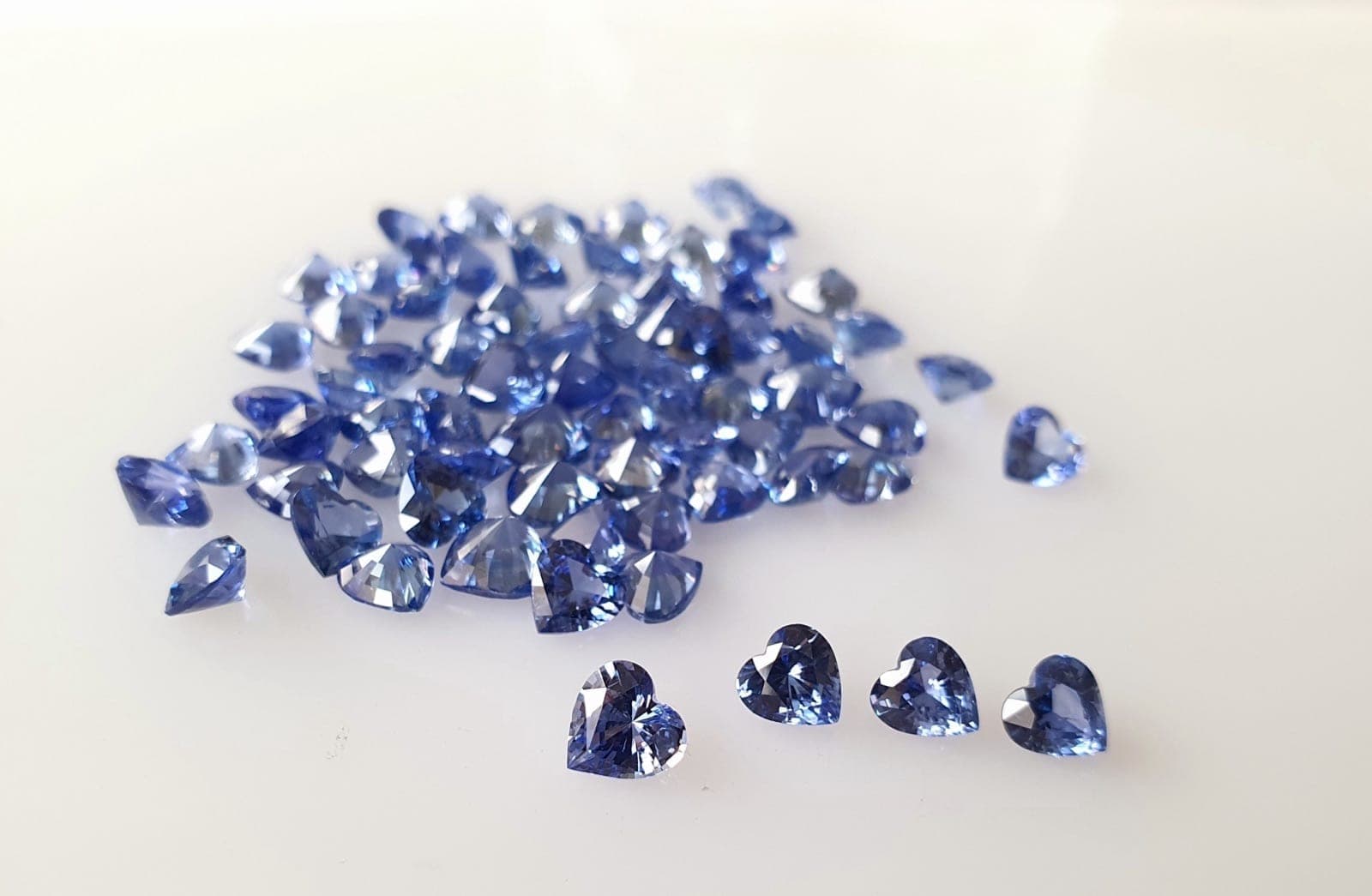
Color Comparison: Side by Side
Color is where the Ceylon-Thai distinction is most visible and most consequential for pricing.
Ceylon Sapphire Color Profile
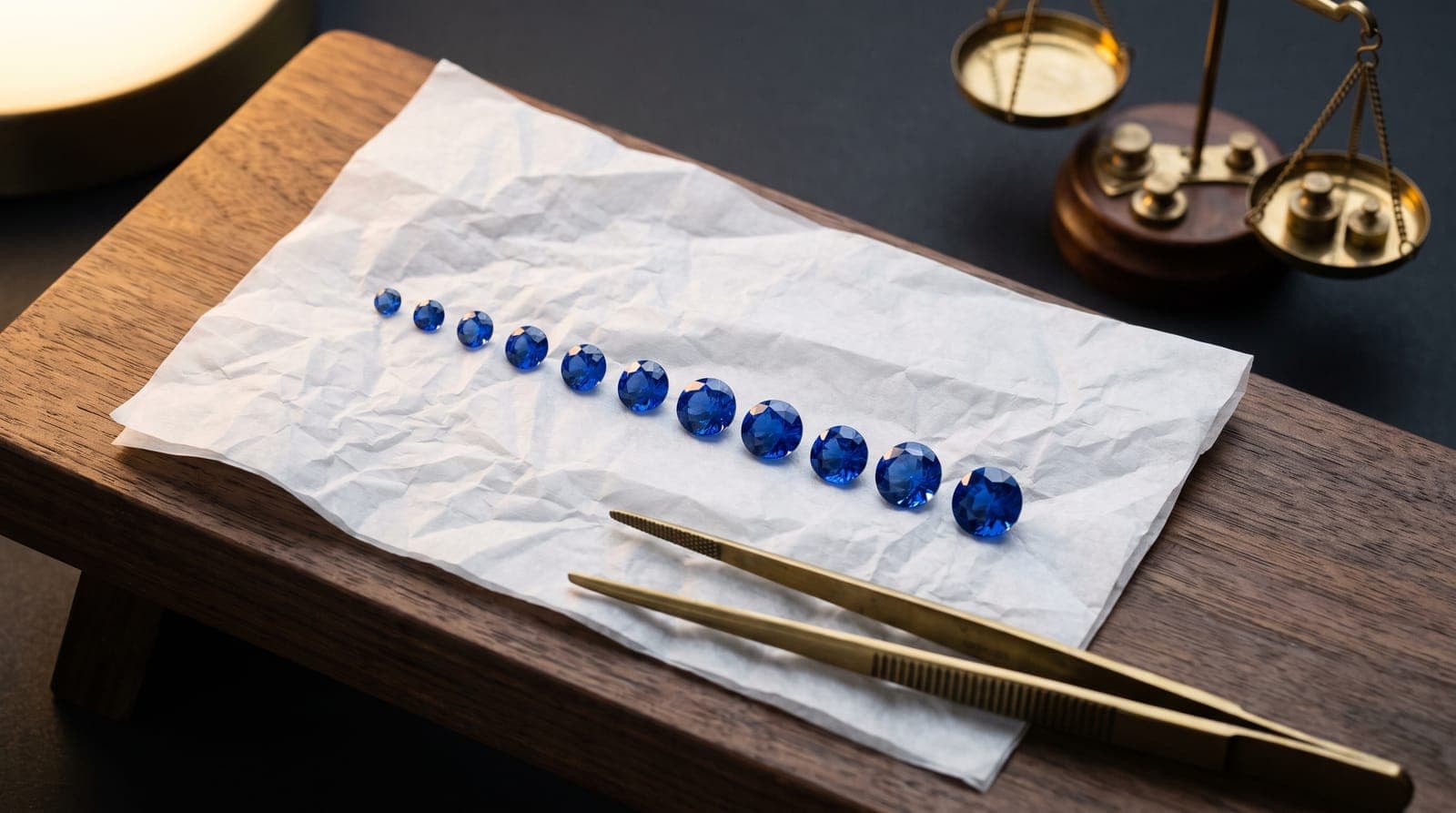
The archetypal Ceylon sapphire presents a bright, medium-toned blue with strong brilliance — often described as "cornflower blue" in fine grades. Key color characteristics include:
- Hue: Pure blue to slightly violet-blue. The low iron content means green secondary tones are uncommon.
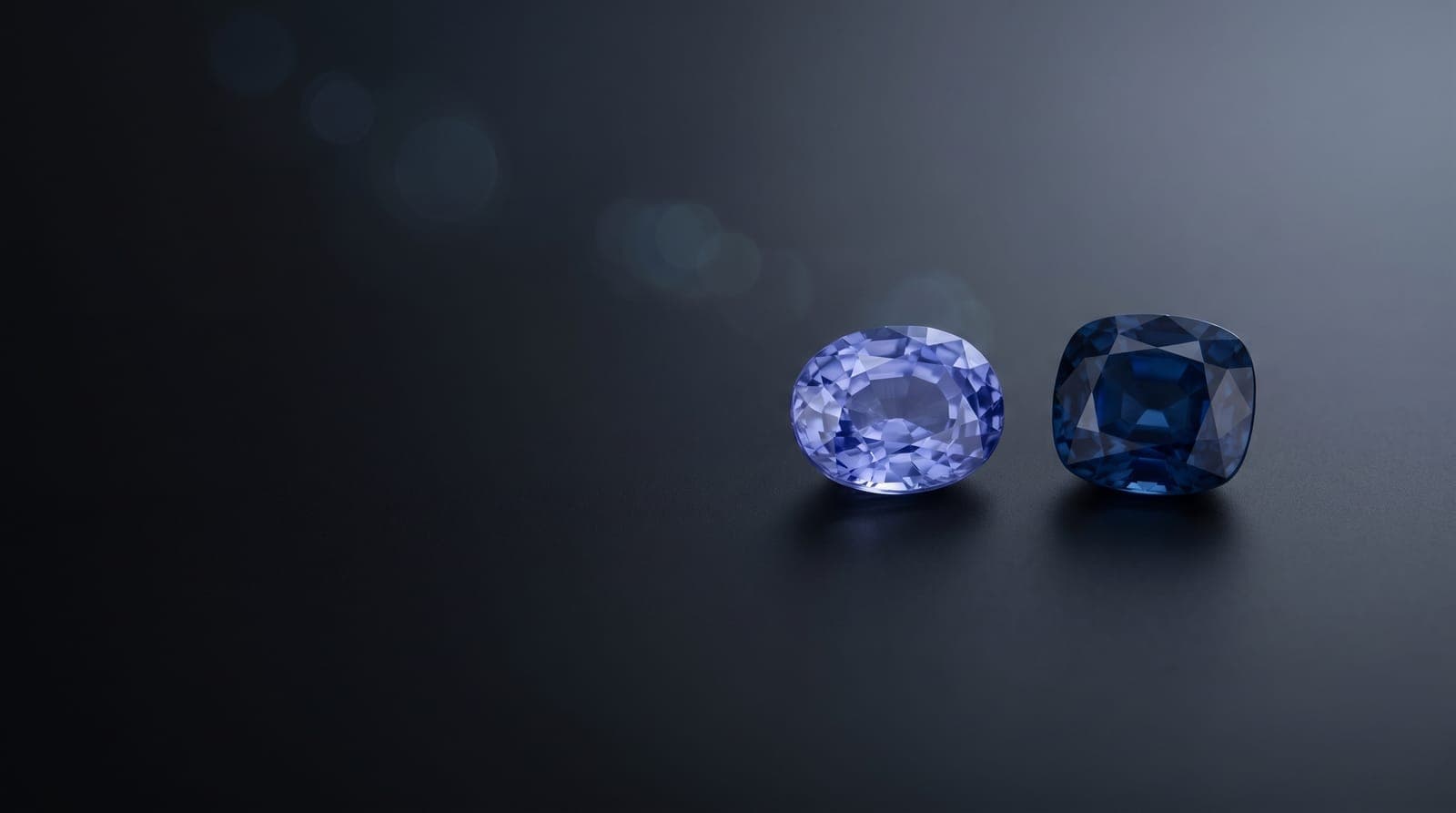
- Tone: Typically lighter than other origins, in the 50-70% range. This is both a strength and a limitation — the brightness is appealing but can appear "washed out" in smaller calibrated sizes.
- Saturation: Moderate to strong in fine grades. The fluorescence component adds a "glow" that enhances perceived saturation in natural and incandescent lighting.
The lighter tone profile means Ceylon sapphires are particularly prized in larger sizes (above 3 carats) where the brightness shows to full advantage. In melee sizes below 2mm, the lighter tone can be a disadvantage — stones may not carry enough color to read as blue when set.
Thai Sapphire Color Profile
Thai sapphires present a distinctly different aesthetic:
- Hue: Blue with green secondary tones ranging from barely perceptible to quite prominent. The best Thai material minimizes the green modifier.
- Tone: Darker than Ceylon, typically 70-90%. Very dark stones appear near-black and require careful cutting to maintain their blue character.
- Saturation: Can be very strong, but the dark tone often masks saturation. The combination of strong saturation with excessive tone produces stones that look "inky" — rich in color but lacking transparency.
The darker profile makes Thai sapphires well-suited to smaller calibrated sizes (1.5-3mm) where the concentrated color reads well. In larger sizes, darkness can become a liability.
| Quality Factor | Ceylon Sapphire | Thai Sapphire | Impact on Buyer |
|---|---|---|---|
| Best hue | Pure blue to violet-blue | Blue with green modifier | Ceylon preferred for fine jewelry |
| Ideal size | 3mm and above | 1.5-4mm melee/calibrated | Match origin to size needs |
| Daylight appearance | Bright, fluorescent glow | Stable, non-fluorescent | Ceylon shifts more between light sources |
| Incandescent appearance | May shift violet | Appears darker, more stable | Thai more consistent across lighting |
| Color consistency in lots | More variable — wider tone range | More consistent within deposits | Thai easier to match for production |
Clarity and Inclusion Characteristics
Inclusion suites differ between origins and serve as the primary basis for origin determination by gemological laboratories.
Ceylon Sapphire Inclusions
Ceylon sapphires frequently contain:
- Rutile silk: Fine needle-like inclusions that create the prized "silk" effect. Light silk enhances beauty; heavy silk clouds the stone.
- Zircon halos: Rounded zircon crystals surrounded by stress fractures — highly diagnostic of Sri Lankan origin.
- Negative crystals: Angular, crystal-shaped voids filled with fluid.
- Fingerprints: Healed fracture planes, often partially healed during heat treatment.
Overall, Ceylon material tends to have a wider clarity range — both exceptionally clean stones and heavily included material come from the same deposits. Eye-clean Ceylon sapphires above 2 carats are uncommon and carry significant premiums.
Thai Sapphire Inclusions
Thai sapphires typically show:
- Iron-stained fingerprints: Healed fractures with iron-oxide staining along the fracture planes — highly diagnostic.
- Dark mineral crystals: Iron-rich mineral inclusions that appear as dark spots under magnification.
- Fewer rutile needles: The basaltic origin produces less silk than metamorphic origins.
- Color zoning: Angular color banding following crystal growth planes, often with alternating blue and colorless zones.
Thai material generally presents fewer clarity issues at the eye-clean level, partly because the darker tone masks minor inclusions that would be visible in a lighter Ceylon stone. For production-grade calibrated goods, Thai sapphires offer more consistent clarity across large lots.
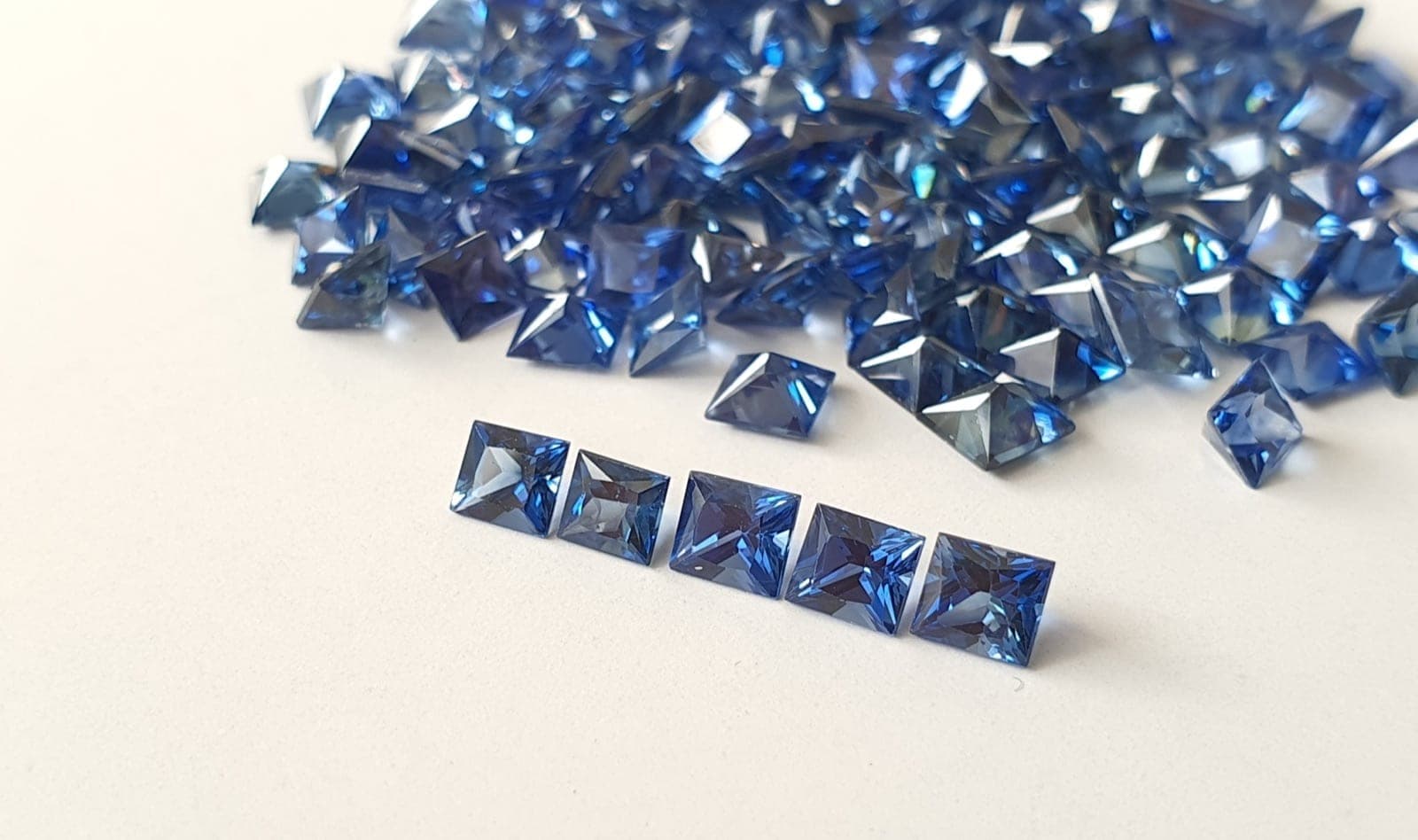
Treatment Response: A Critical Difference
How each origin responds to heat treatment has significant implications for pricing and quality. For an in-depth look at treatment methods and what to disclose to your buyers, our sapphire heat treatment guide covers the topic fully.
Ceylon Sapphires and Heat Treatment
Ceylon sapphires respond well to standard heat treatment, which can:
- Dissolve rutile silk to improve clarity while maintaining the blue color
- Improve saturation slightly by redistributing trace elements
- Produce a more uniform blue by reducing color zoning
The low iron content means Ceylon material generally requires lower treatment temperatures (1200-1600°C) and produces predictable results. Unheated Ceylon sapphires of fine quality carry substantial premiums — often 50-100% over heated equivalents — because the bright, natural color is highly valued by collectors and discerning buyers.
Thai Sapphires and Heat Treatment
Thai sapphires require more aggressive heat treatment to overcome their naturally dark tones and green secondary coloring:
- Higher temperatures: Often 1600-1800°C to modify the iron-related color components
- Longer treatment cycles: Extended heating periods to achieve sufficient color change
- More dramatic color shift: Treatment can significantly lighten tone and reduce green modifier, transforming near-black material into attractive commercial blue
The treatment premium works differently for Thai material. Because unheated Thai sapphires are generally less appealing (dark, greenish) than unheated Ceylon stones, the unheated premium for Thai material is smaller — typically 20-30% versus 50-100% for Ceylon.
| Treatment Aspect | Ceylon Sapphire | Thai Sapphire |
|---|---|---|
| Treatment temperature | 1200-1600°C typically | 1600-1800°C typically |
| Color change magnitude | Moderate — refinement of existing color | Significant — can transform color profile |
| Clarity improvement | Silk dissolution, fracture healing | Less silk to dissolve, more color-focused |
| Unheated premium | 50-100% over heated equivalents | 20-30% over heated equivalents |
| Market preference | Strong demand for both heated and unheated | Heated strongly preferred over unheated |
| Treatment detection | Residual silk patterns, fingerprint changes | Iron-concentration patterns, altered inclusions |
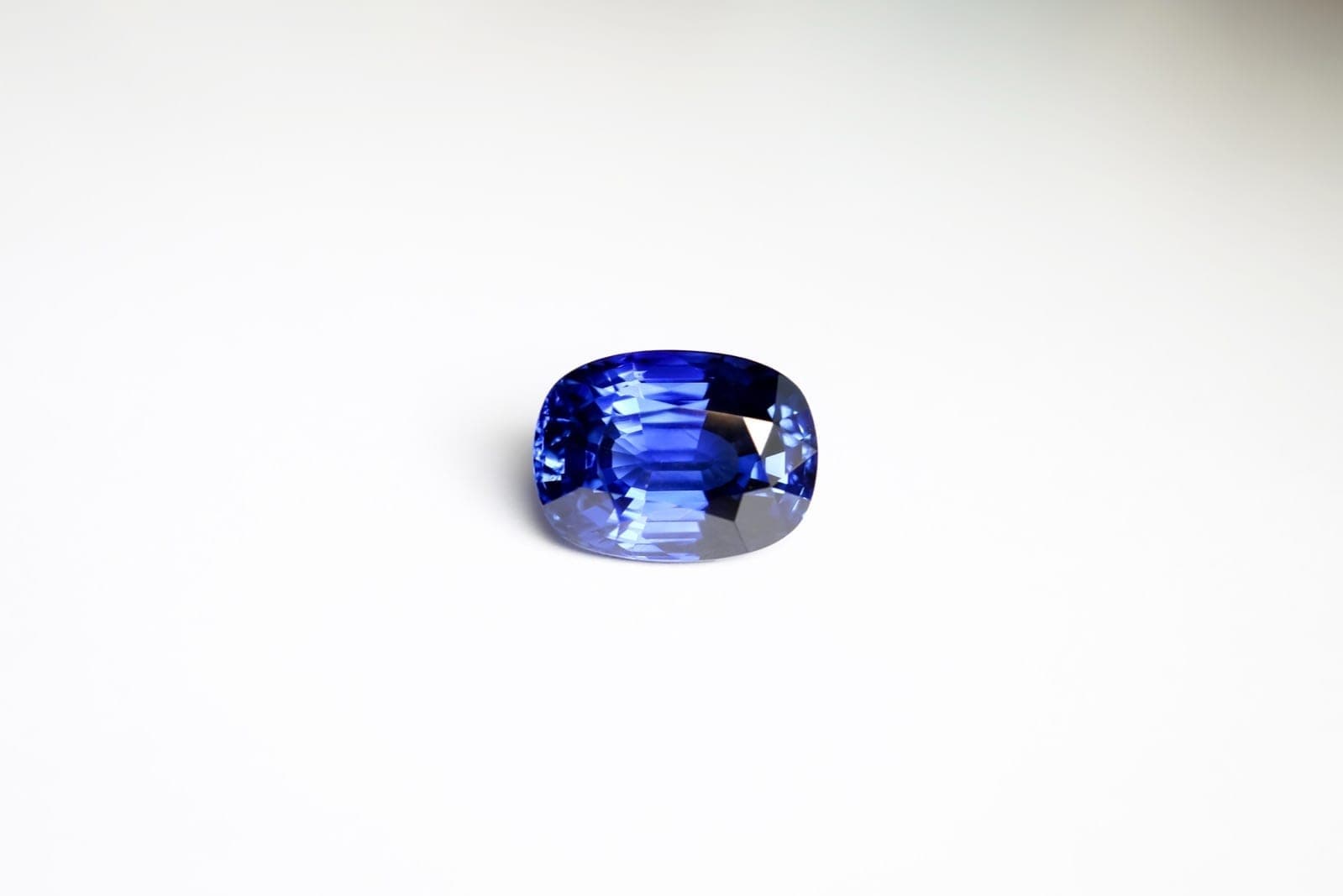
Pricing Comparison by Grade
Understanding the price relationship between Ceylon and Thai sapphires helps buyers make informed sourcing decisions.
Fine Grade (AAA-AA)
At the top of the market, Ceylon commands the largest premium:
- Ceylon AAA: $3,000-$15,000/ct depending on size and treatment status
- Thai AAA: Extremely rare — most Thai material doesn't reach top grades
- Premium: Ceylon dominates the fine grade entirely; Thai is essentially absent
Commercial Grade (A-B)
The commercial grades are where the real sourcing decision happens:
- Ceylon A: $200-$800/ct in calibrated sizes
- Thai A: $120-$500/ct in equivalent sizes
- Premium: Ceylon commands 30-60% above Thai at equivalent visual quality
Calibrated Melee (under 3mm)
In melee sizes, the dynamic shifts:
- Ceylon melee: $30-$100/ct depending on quality
- Thai melee: $20-$60/ct
- Premium: Narrows to 10-30%, and Thai may actually be preferred for dark, saturated melee
Origin Certification and Verification
For B2B buyers who need to guarantee origin — whether for marketing claims or regulatory compliance — laboratory certification is essential.
How Labs Determine Origin
Major gemological laboratories determine sapphire origin through a combination of:
- Inclusion analysis: Microscopic examination of the inclusion suite against origin reference databases
- Trace element chemistry: LA-ICP-MS or ED-XRF analysis of iron, titanium, chromium, vanadium, gallium, and magnesium concentrations
- UV-Vis spectroscopy: Absorption spectrum patterns characteristic of specific origins
- Fluorescence response: Short-wave and long-wave UV behavior
No single test is definitive — origin determination uses the weight of all evidence. For borderline cases, labs may provide a "probable origin" rather than a definitive determination. Our guide to GIA, AIGS, and GIT certification covers which lab report best suits your market.
When Origin Certification Matters
Not every stone needs origin certification. The cost of a full origin report ($100-$500 per stone depending on the laboratory) is justified only when:
- The stone is above 1 carat and the origin premium affects pricing significantly
- Your customer requires origin claims for marketing or compliance
- You are selling unheated stones where origin and no-heat together create major premium
For bulk calibrated orders, origin is typically communicated through supplier documentation rather than per-stone certification. At Lim Gems Factory, we provide lot-level origin documentation and can arrange individual certification through AIGS or GIA for stones meeting minimum size requirements.
Strategic Sourcing Recommendations
For Fine Jewelry Manufacturers
If you produce fine jewelry for markets that value provenance and rarity (European luxury, Japanese market, US high-end retail):
- Feature stones: Source Ceylon sapphires in AA-AAA grades. The brightness and prestige justify the premium in this market segment.
- Accent stones: Thai sapphires in A grade offer excellent value in calibrated accent sizes.
- Marketing leverage: Ceylon origin is a recognized selling point that supports higher retail pricing.
For Commercial Jewelry Producers
If you produce volume commercial jewelry where cost management is critical:
- Primary source: Thai sapphires offer the best value proposition across A-B grades.
- Supplement with Ceylon: Use Ceylon stones selectively in hero pieces or signature collections.
- Focus on visual quality: At commercial price points, most end consumers respond to color quality rather than origin labels.
For Online and DTC Brands
Direct-to-consumer brands need stones that photograph well and deliver consistent color:
- Thai sapphires: The darker, more saturated color photographs reliably and looks vivid in e-commerce imagery.
- Ceylon sapphires: The lighter tone can appear washed out in standard product photography unless lighting is optimized.
- Consistency: Thai parcels tend to be more visually uniform, simplifying product photography and customer expectations.
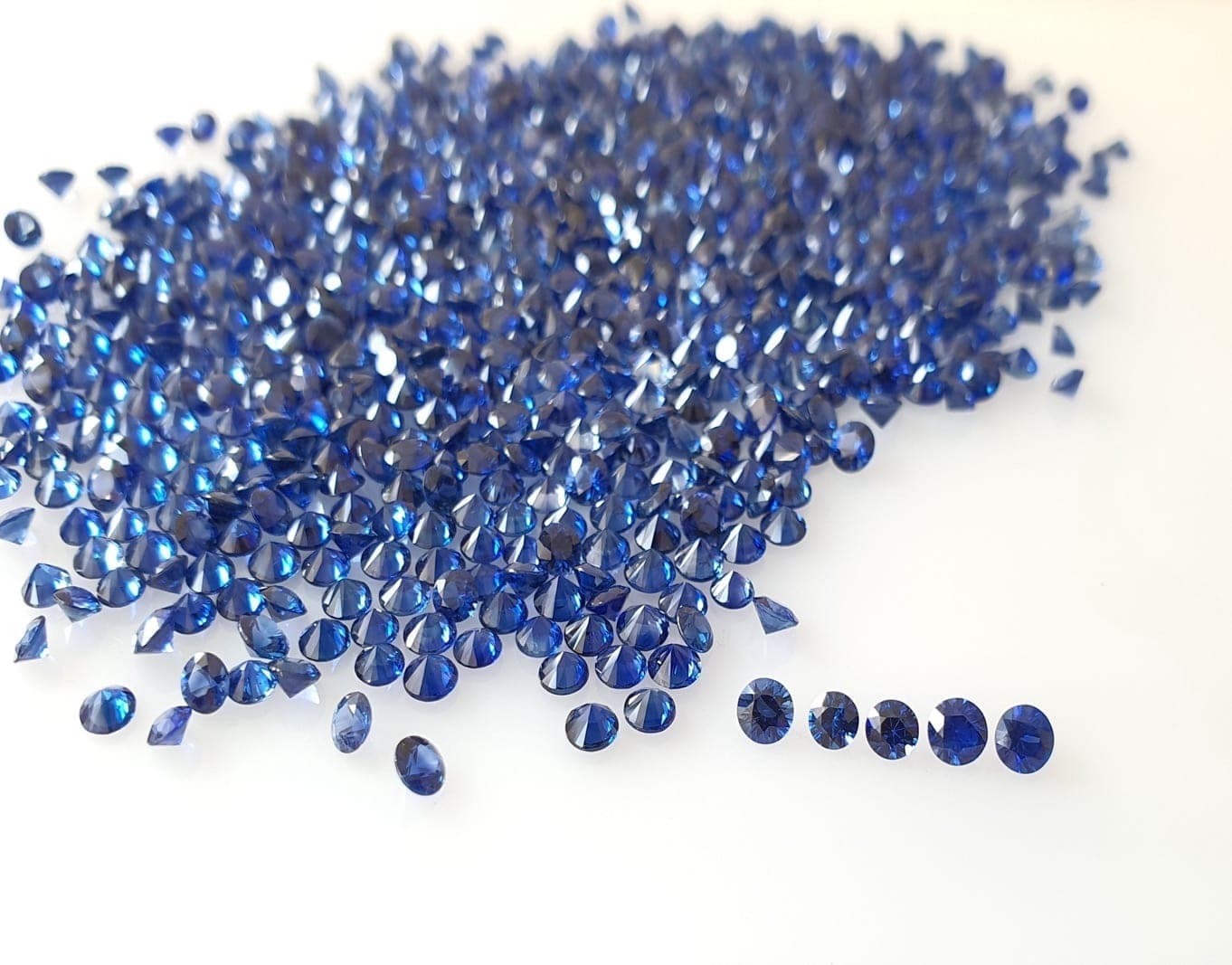
The Bottom Line for Buyers
The Ceylon-versus-Thai question has no single correct answer — it depends entirely on your product positioning, customer expectations, and cost targets. The most successful B2B buyers treat origin as one variable among many, evaluating each lot on its actual quality rather than relying on origin labels as a quality shortcut.
Both origins produce excellent sapphires when properly selected and cut. The key is understanding the characteristic strengths and limitations of each so you can match origin to application efficiently. For a complete picture of how gemstone pricing works across all these variables, our pricing guide is a useful companion to this one.
Browse our complete sapphire collection or learn more about padparadscha and pink sapphire distinctions for the full picture of sapphire sourcing options. If you are ready to place an order or want to discuss specifications, contact our sourcing team directly.