The Origin of the Term "Pigeon Blood"
Few terms in the gemstone industry carry as much weight — or generate as much confusion — as "pigeon blood" when applied to rubies. For wholesale buyers, understanding exactly what this designation means, how it is determined, and how it affects pricing is essential to making informed purchasing decisions.
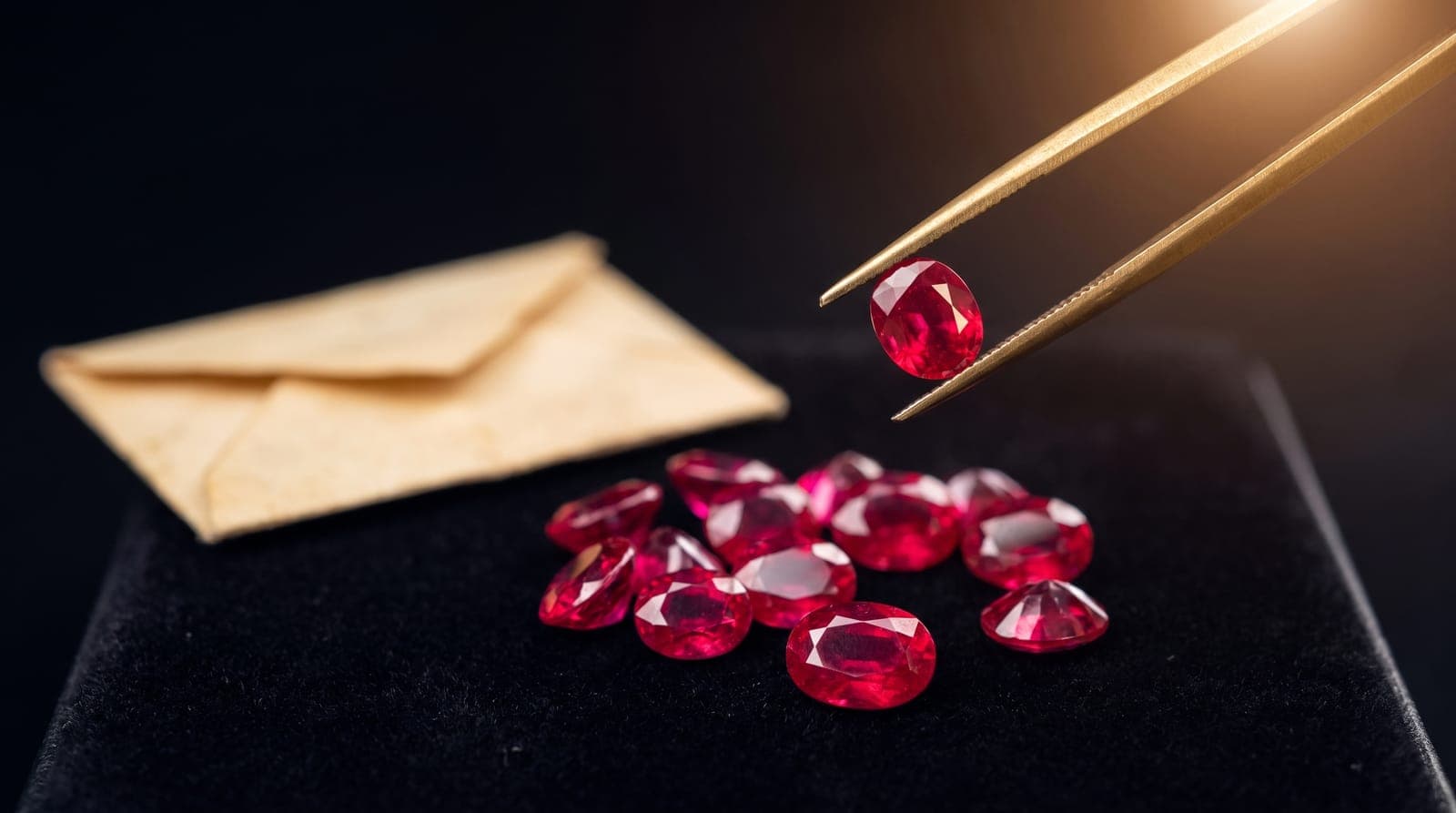
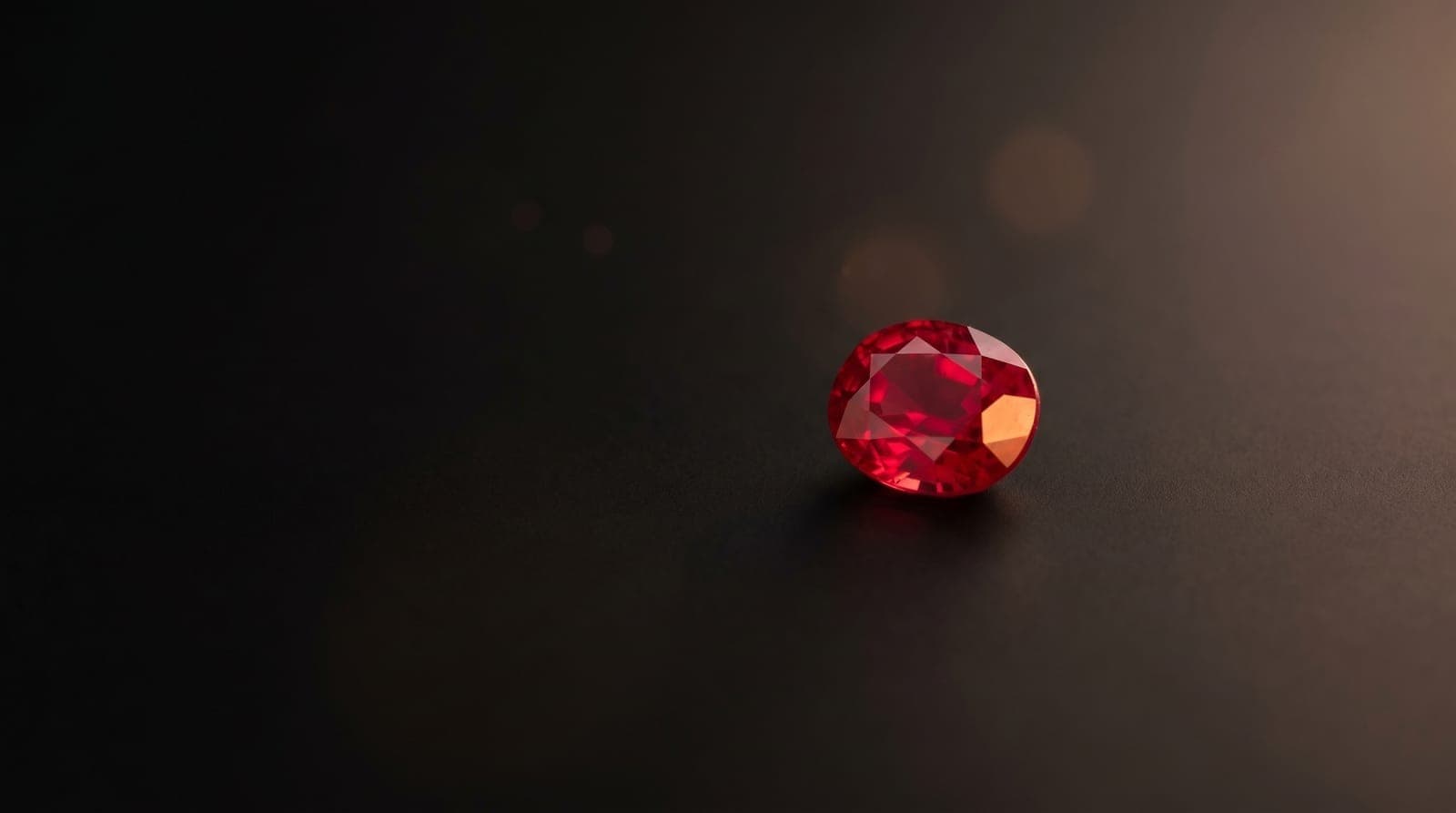
The term has roots in the traditional Burmese gem trade, where dealers described the finest rubies using the phrase "ko-twe" — literally, "pigeon's blood." The reference is believed to describe the color of fresh blood from a freshly killed pigeon, a vivid, pure red with an almost imperceptible blue tint. While the imagery may seem archaic, the designation has persisted because no modern color terminology captures the specific quality it describes.
For centuries, the term existed as informal trade language — subjective and applied inconsistently by dealers and traders. It was not until the major gemological laboratories began formalizing color types in the late 1990s and 2000s that "pigeon blood" began to take on a standardized meaning.
Laboratory Definitions
Today, several internationally recognized labs issue "pigeon blood" determinations, and their criteria differ in important ways that wholesale buyers should understand:
GRS (Gem Research Swisslab) was among the first to formalize the pigeon blood designation. GRS defines pigeon blood as a ruby exhibiting a vivid red hue (dominant wavelength approximately 620-640nm) with strong to vivid saturation and medium to medium-dark tone. Importantly, GRS applies the designation regardless of geographic origin — a Mozambique ruby that meets the color criteria receives the same designation as a Burmese stone.
AIGS (Asian Institute of Gemological Sciences), based in Bangkok, uses a comparable but slightly different framework. AIGS evaluates rubies against a set of master stones, comparing the candidate ruby to physical color standards under controlled lighting conditions. Their "pigeon blood" category requires a specific combination of hue purity, saturation intensity, and minimal brown or orange modifier.
Gubelin Gem Lab in Switzerland takes a more conservative approach, applying the "pigeon blood" designation more sparingly and generally requiring Burmese origin as part of the determination — a position that has generated debate within the trade.
The key takeaway for wholesale buyers: a "pigeon blood" certificate from one lab may not be equivalent to another. When pricing and selling stones with this designation, always note which laboratory issued the determination.
The Color Science Behind Pigeon Blood
What makes the pigeon blood color so valued is not simply that it is "very red." The distinction lies in the specific combination of optical properties:
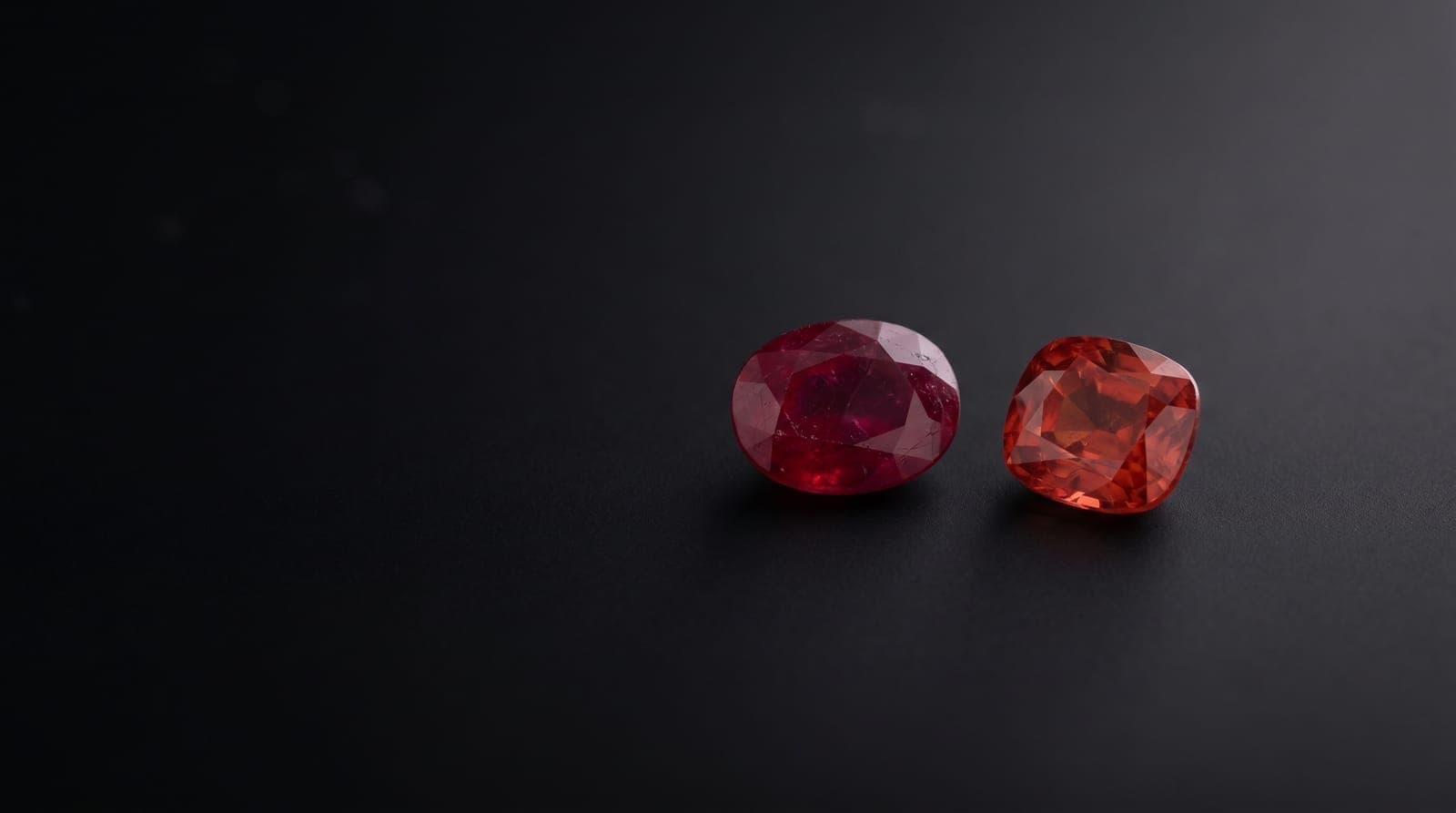
Hue purity: Pigeon blood rubies exhibit a dominant red hue with minimal orange or purple secondary colors. A trace of blue — just enough to "cool" the red without making it appear purplish — is the hallmark. This blue component is partly attributed to strong red fluorescence under ultraviolet light, which adds an inner glow visible even in daylight.
Saturation: The saturation must be vivid — the color must appear to radiate from within the stone rather than sitting passively on the surface. This requires a combination of favorable crystal chemistry (chromium content typically between 1-3%) and minimal iron content, which would otherwise dampen fluorescence.
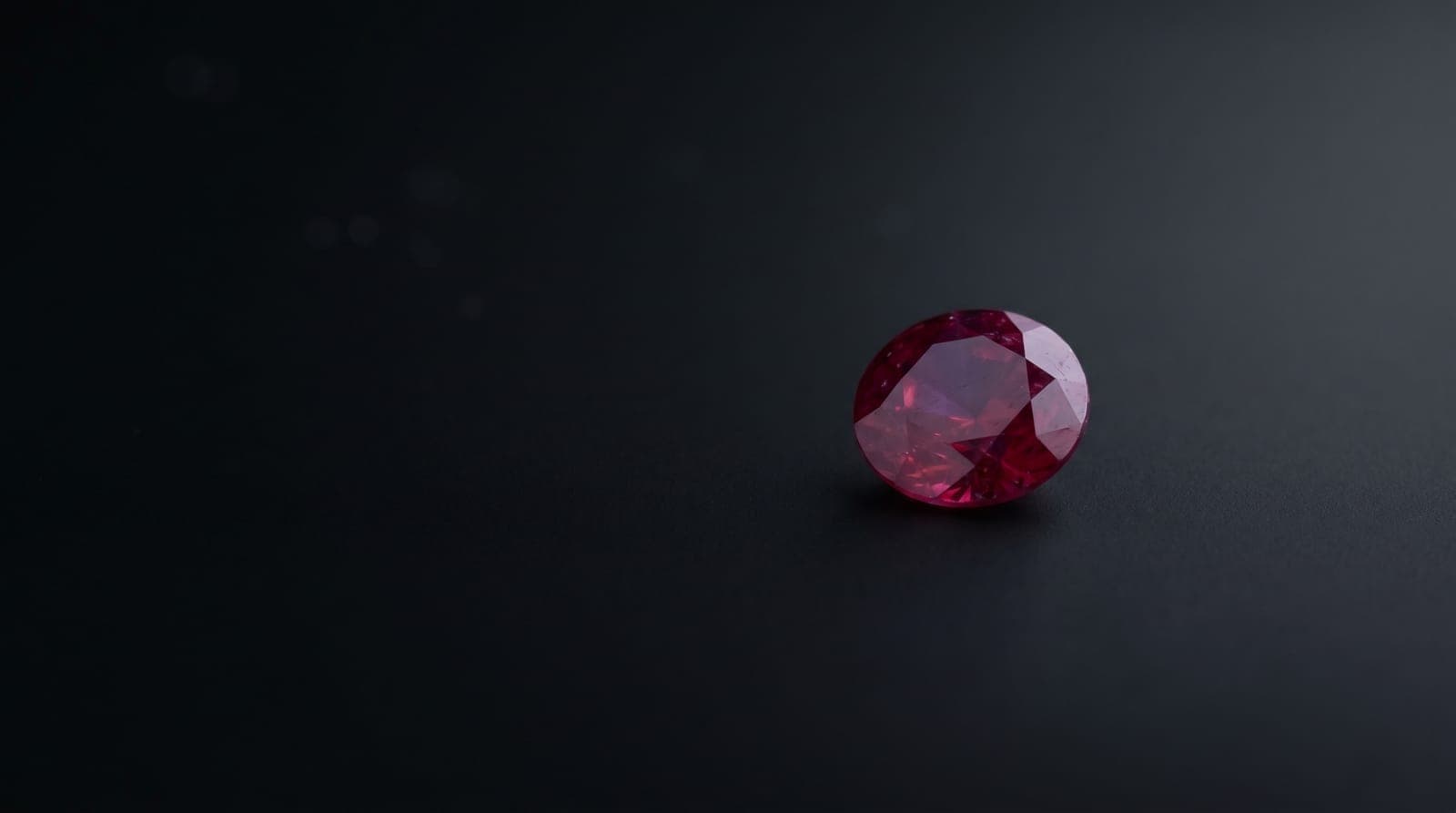
Tone: Medium to medium-dark, roughly 70-80% on a standard tone scale. Too light and the ruby appears pink rather than red; too dark and the coveted fluorescent glow is lost to extinction.
Fluorescence: Strong red fluorescence under UV light is characteristic of the finest pigeon blood rubies. This fluorescence supplements the body color, making the stone appear more vivid in daylight (which contains UV). Rubies with high iron content — common in Thai and African material — tend to fluoresce less strongly.
| Characteristic | Pigeon Blood | Fine Red Ruby | Commercial Ruby |
|---|---|---|---|
| Hue | Pure red, minimal modifiers | Red with slight purple or orange | Red with noticeable modifiers |
| Saturation | Vivid to intense | Strong | Moderate to strong |
| Tone | Medium to medium-dark (70-80%) | Medium (60-75%) | Variable |
| Fluorescence | Strong red | Moderate | Weak to moderate |
| Price Premium | 30-100%+ over comparable | Baseline for fine quality | Below fine quality |
How Pigeon Blood Affects Wholesale Pricing
For B2B buyers, the pigeon blood designation has a direct and significant impact on ruby pricing. A certified pigeon blood ruby will typically command a 30-100% premium over a ruby of comparable size, clarity, and cut that does not carry the designation. At the top of the market — stones above 3 carats with excellent clarity — the premium can be substantially higher.
However, wholesale buyers should be aware of important nuances:
The certification premium: The act of submitting a ruby to a lab and obtaining a "pigeon blood" certificate adds cost (typically $50-200 per stone depending on the lab and stone size) but can dramatically increase resale value. For this reason, some dealers preferentially submit only their best stones, creating a selection bias in certified populations.
Origin premiums stack: A Burmese pigeon blood ruby carries a higher premium than a Mozambique pigeon blood ruby of comparable quality, even when the visual difference is negligible. This origin premium is driven by market perception and rarity rather than inherent quality differences.
Size thresholds: The pigeon blood premium is most significant for stones above 1 carat. For calibrated goods under 1 carat, the designation carries less weight in wholesale pricing because individual certification is rarely cost-effective at those sizes.
Common Misconceptions
"All Burmese rubies are pigeon blood" — This is false. Myanmar produces rubies across the entire quality spectrum. Only a small percentage of Burmese production achieves the color saturation required for the pigeon blood designation. Conversely, Mozambique and other sources can and do produce pigeon blood quality stones.
"Pigeon blood means unheated" — Treatment status and color designation are independent evaluations. A heated ruby can receive a pigeon blood designation if it meets the color criteria. That said, unheated pigeon blood rubies are rarer and command the highest premiums in the market. Buyers should also be aware of how to distinguish natural from synthetic rubies, since laboratory-grown material can mimic pigeon blood color but is never eligible for the designation.
"You can tell pigeon blood by eye" — While experienced traders develop strong intuitive color judgment, the formal designation requires standardized laboratory evaluation. What appears pigeon blood under one lighting condition may not qualify under the controlled conditions used by labs.
Sourcing Pigeon Blood Rubies for Your Business
For jewelry manufacturers working with fine ruby material, understanding the pigeon blood designation helps you communicate quality to your end customers and price your finished pieces appropriately.
If you require pigeon blood certified rubies for specific collections or high-end pieces, we recommend:
- Specify the lab: Tell your supplier which laboratory's certification your market accepts. GRS and AIGS are the most widely recognized in Asia; Gubelin and SSEF carry weight in European markets.
- Request pre-certification review: Before incurring lab fees, have your supplier pre-select stones they believe will achieve the designation. Our custom sourcing service includes hand-selection of rough and finished rubies against specific pigeon blood color targets.
- Budget for certification: Factor in the per-stone lab fees when calculating your cost basis.
- Consider uncertified alternatives: For commercial jewelry lines where end consumers may not require formal certification, sourcing stones that are visually comparable but uncertified can offer significant savings.
Our team in Bangkok has decades of experience evaluating and sourcing rubies from all major origins. Whether you need certified pigeon blood stones for showcase pieces or consistent commercial-grade calibrated rubies for production, we can help you navigate the market with confidence.
Get in touch to discuss your ruby requirements.