Why "Unheated" Is the Word That Moves the Price
The large majority of sapphires and rubies on the market are heat-treated to improve color and clarity. That makes an unheated stone of equal appearance comparatively rare — and rarity is what buyers pay for. For B2B buyers operating at the fine end of the market, understanding unheated corundum is the difference between paying a justified premium and overpaying on an unverified claim.
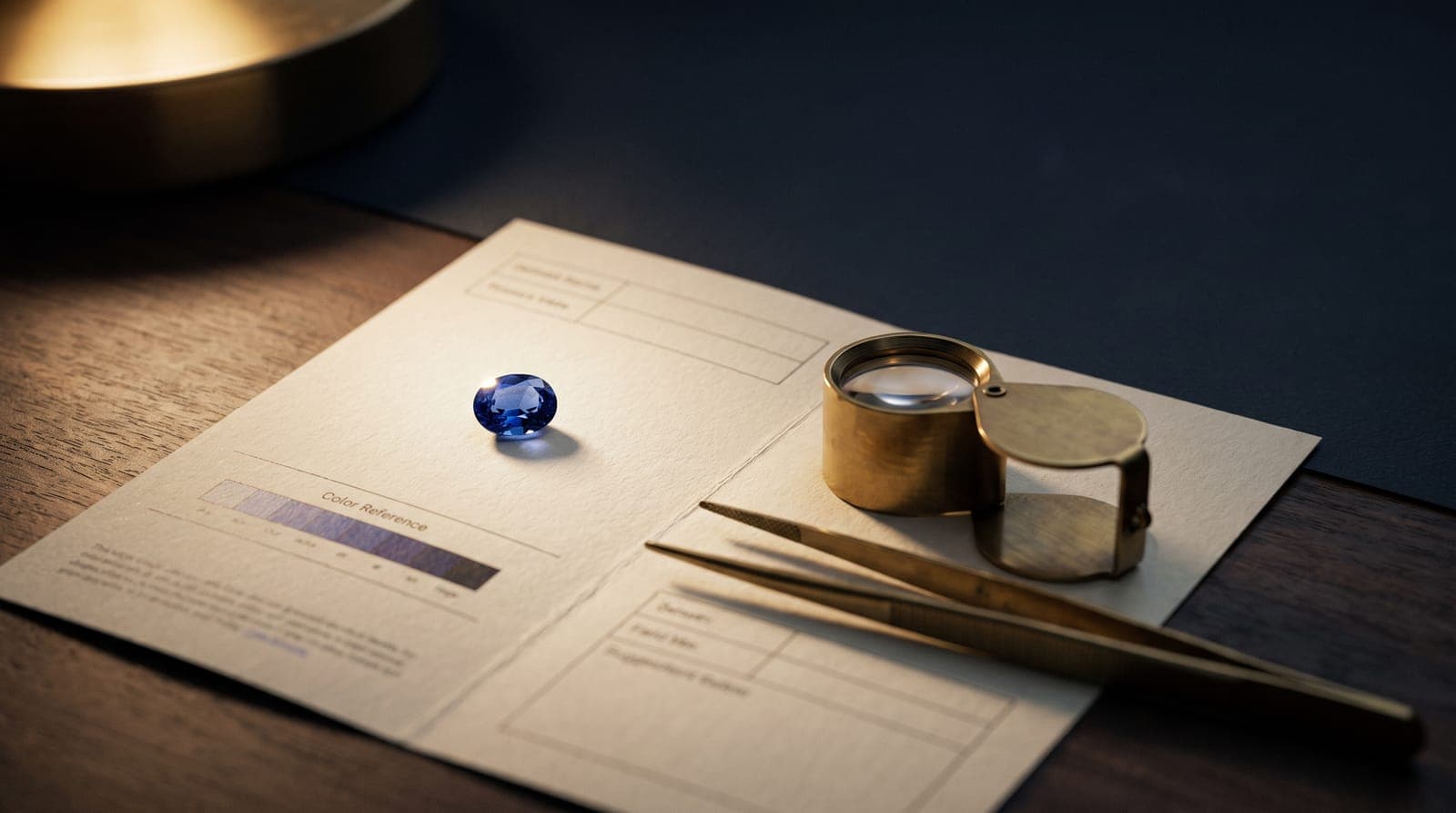
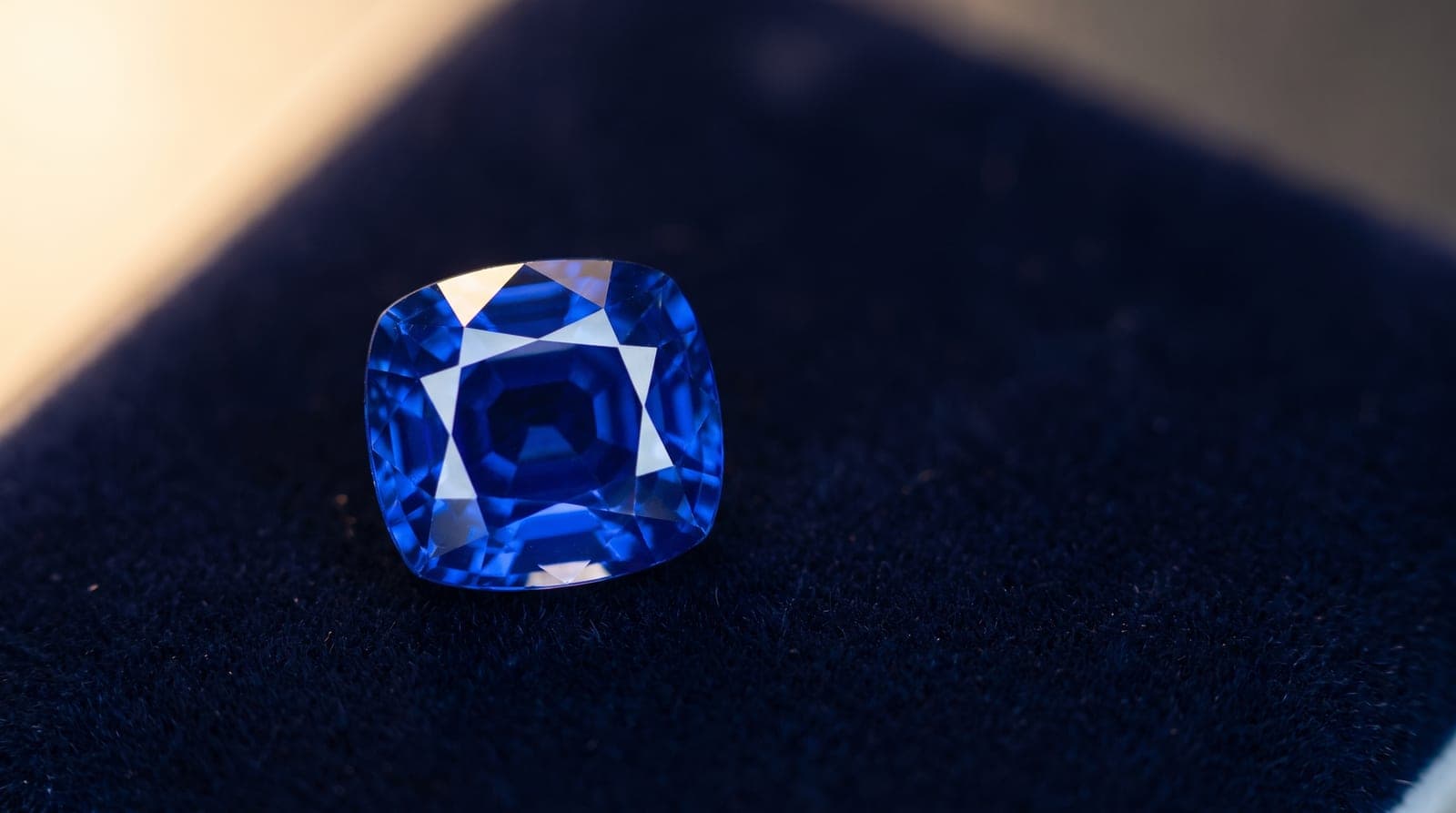
An unheated (or untreated) sapphire or ruby is defined as a corundum that has reached its color and clarity without heat treatment or any other enhancement, a status confirmed by laboratory analysis and stated on a report as "no indications of heating." The key word is confirmed: unheated status only carries value when a reputable lab verifies it.
This guide explains where the premium comes from, how it is verified, and how to buy unheated stones without exposure. For the full treatment landscape, see our sapphire heat treatment guide.
Where the Premium Comes From
Heat treatment is permanent, stable, and accepted across the trade — a fine heated sapphire is a perfectly good stone. But because heating is so common, a stone that achieves fine color naturally is scarce, and scarcity sets the premium:
Heated vs unheated corundum at comparable color and size. Premiums are approximate and rise steeply for large, top-color stones.
| Heated | Unheated (lab-confirmed) | |
|---|---|---|
| Rarity at fine color | Common | Scarce |
| Typical premium | Baseline | ~2–5x, more at the top |
| Buyer requirement | Disclosure | Disclosure + lab report |
| Best for | Fine commercial to fine goods | Investment, high-end retail, collector pieces |
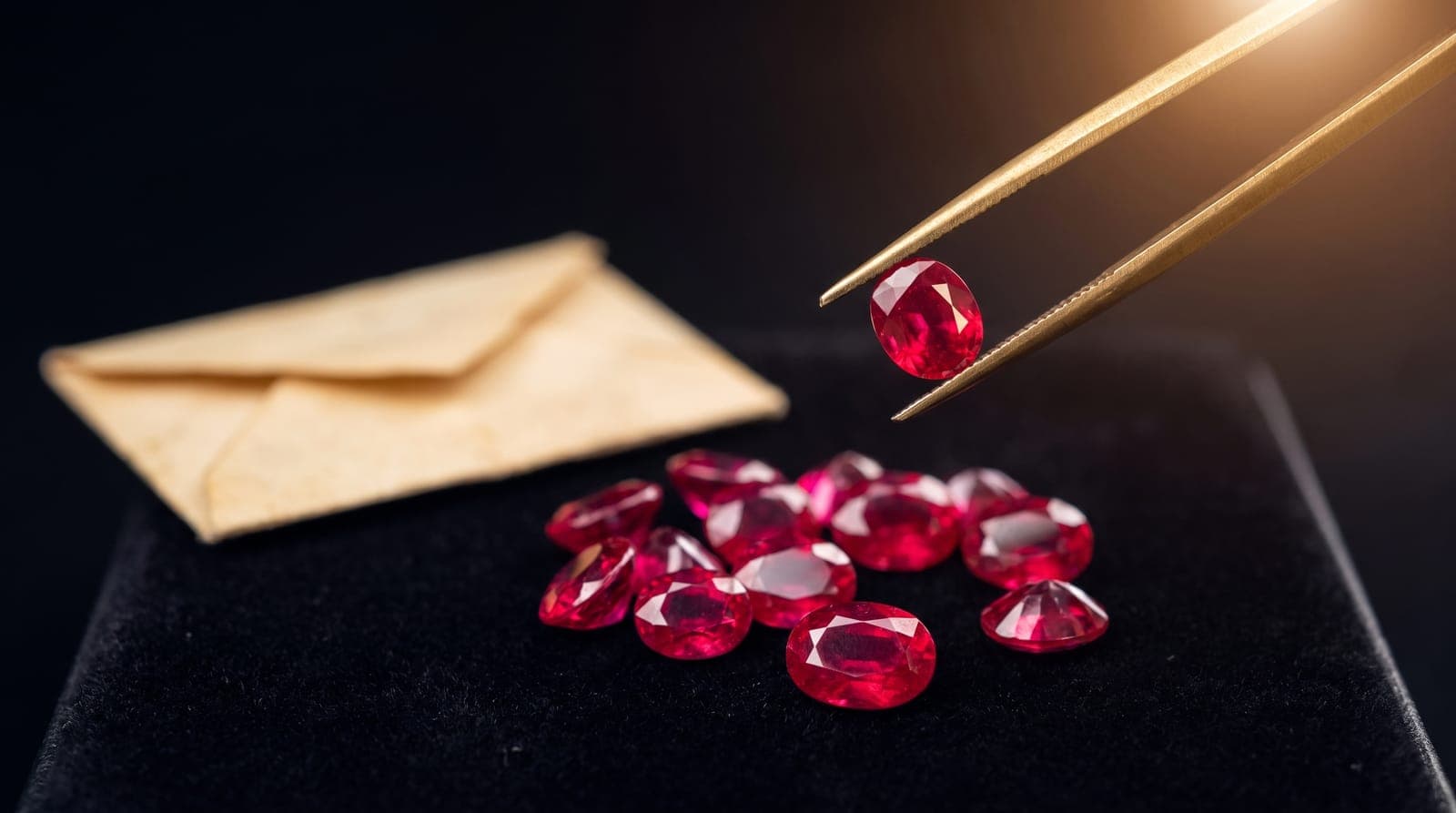
The same logic applies to rubies: an unheated pigeon-blood ruby sits at the very top of the colored-stone market.
Verification Is Everything
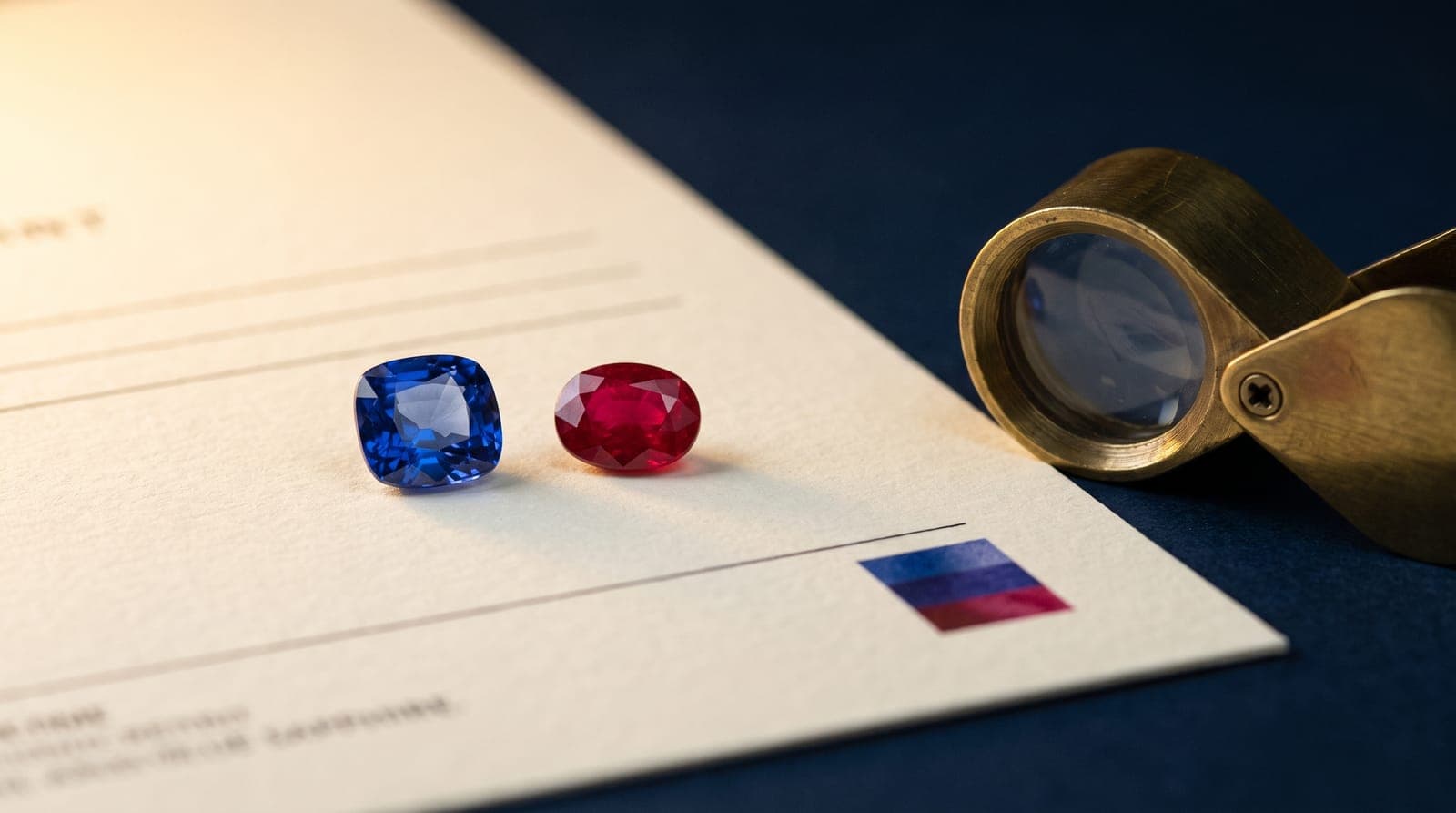
Because the entire premium rests on the unheated conclusion, the lab report is the asset you are buying as much as the stone. Insist on:
- A report from a reputable laboratory (see GIA vs AIGS vs GIT certification).
- Treatment wording you can read and confirm — our guide to reading a gemstone lab report shows exactly where "no indications of heating" appears and how phrasing differs by lab.
- A report number you can verify on the laboratory's database.
Never pay an unheated premium on a seller's verbal assurance. If a stone is worth the premium, it is worth the report.
Origins and Sizes That Justify It
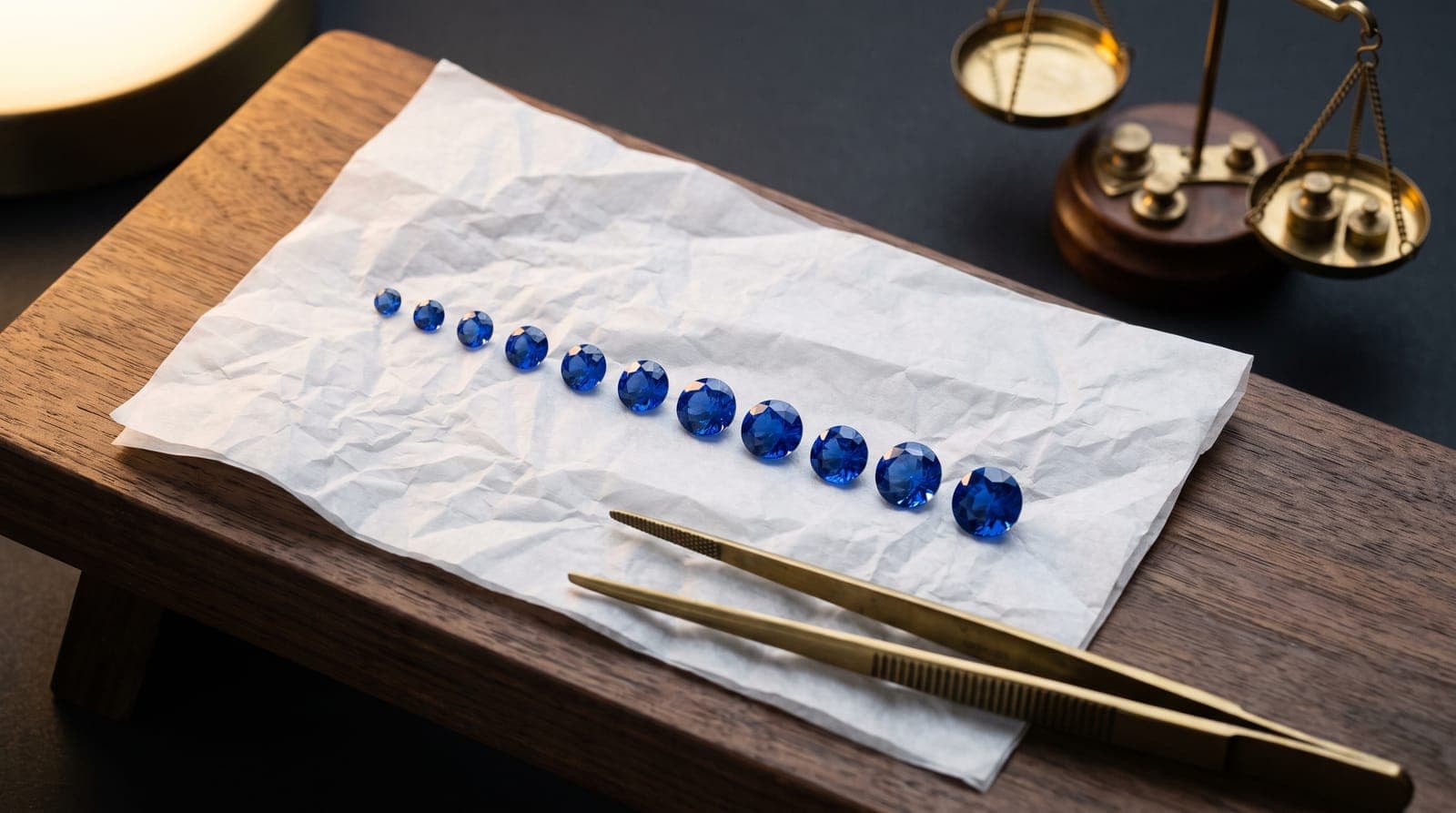
Fine unheated sapphire comes principally from Ceylon and Madagascar (and rarely Kashmir); fine unheated ruby from Burma and Mozambique. As with all corundum, an origin determination is a laboratory opinion — verify it on the report rather than assuming it. The unheated premium also compounds with size: large, top-color, lab-confirmed unheated stones are where pricing climbs fastest, as covered in our sapphire price per carat guide and ruby price per carat guide.
Buying Unheated With Confidence
- Decide whether your market tier justifies the unheated premium (investment/high-end retail usually; commercial usually not).
- Require a report from a reputable lab stating "no indications of heating."
- Read the treatment and origin wording yourself — treat origin as an opinion.
- Verify the report number on the lab's database.
- Expect the premium to rise steeply with size and top color.
For the broader evaluation workflow, pair this with our sapphire buying guide and ruby buying guide, or browse wholesale sapphires and wholesale rubies.